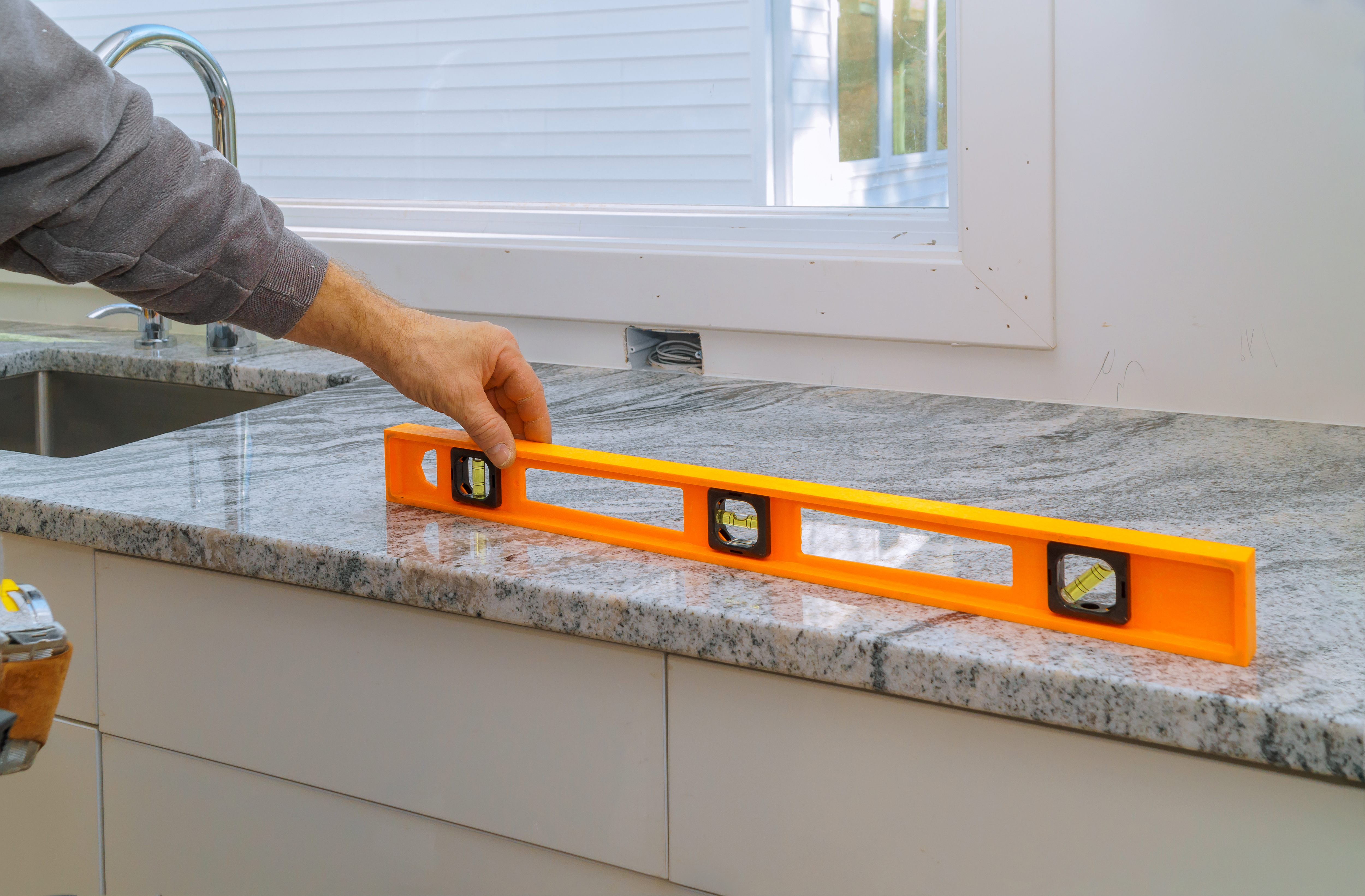
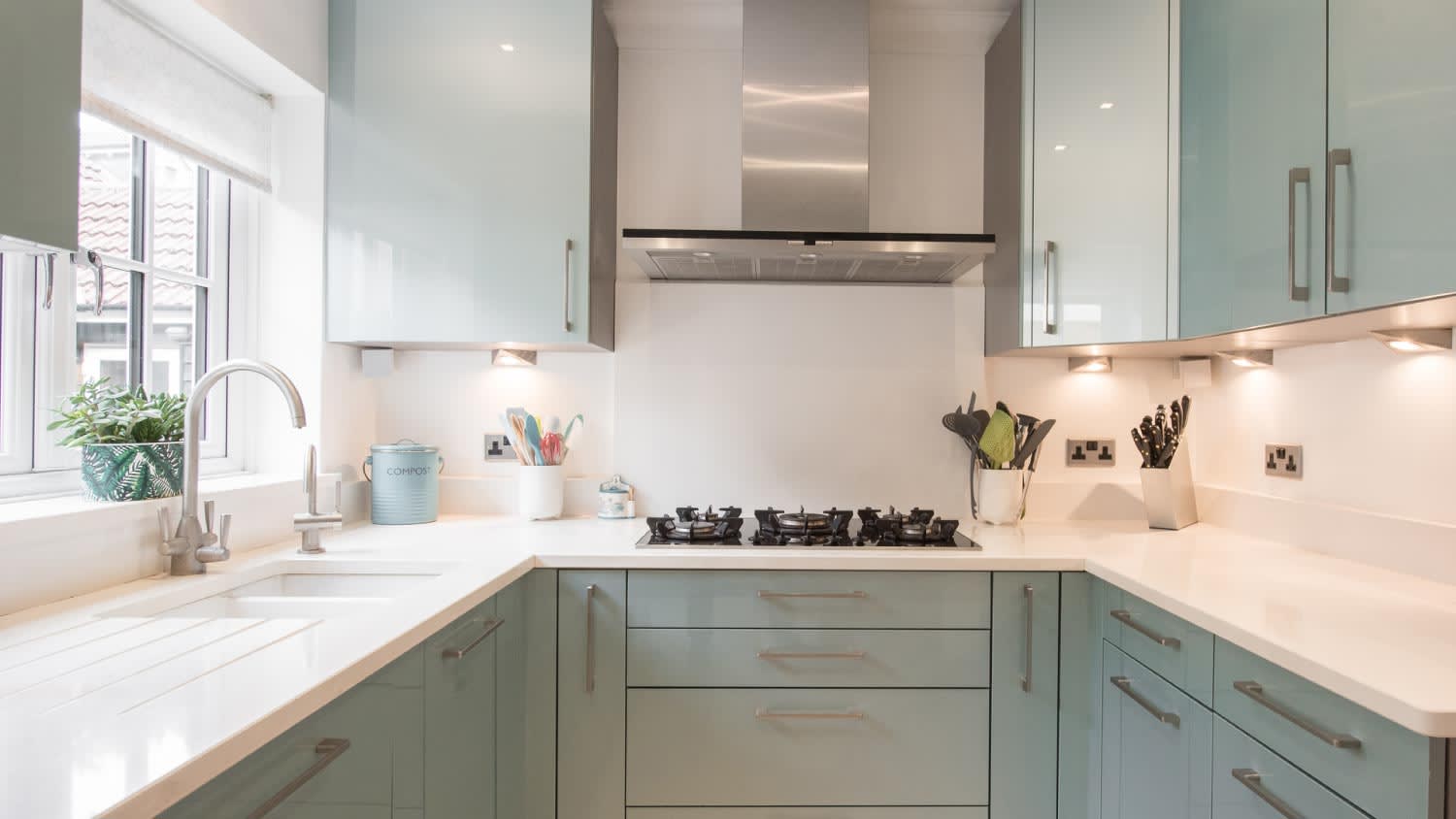
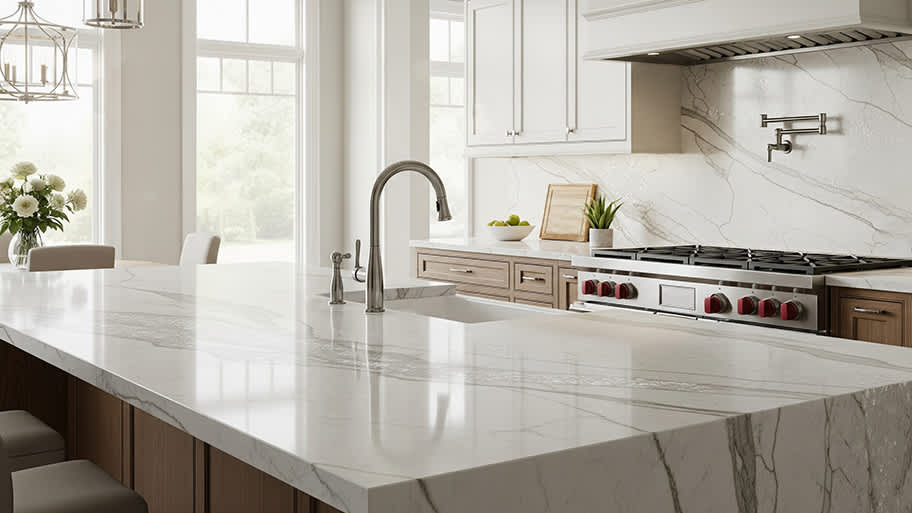
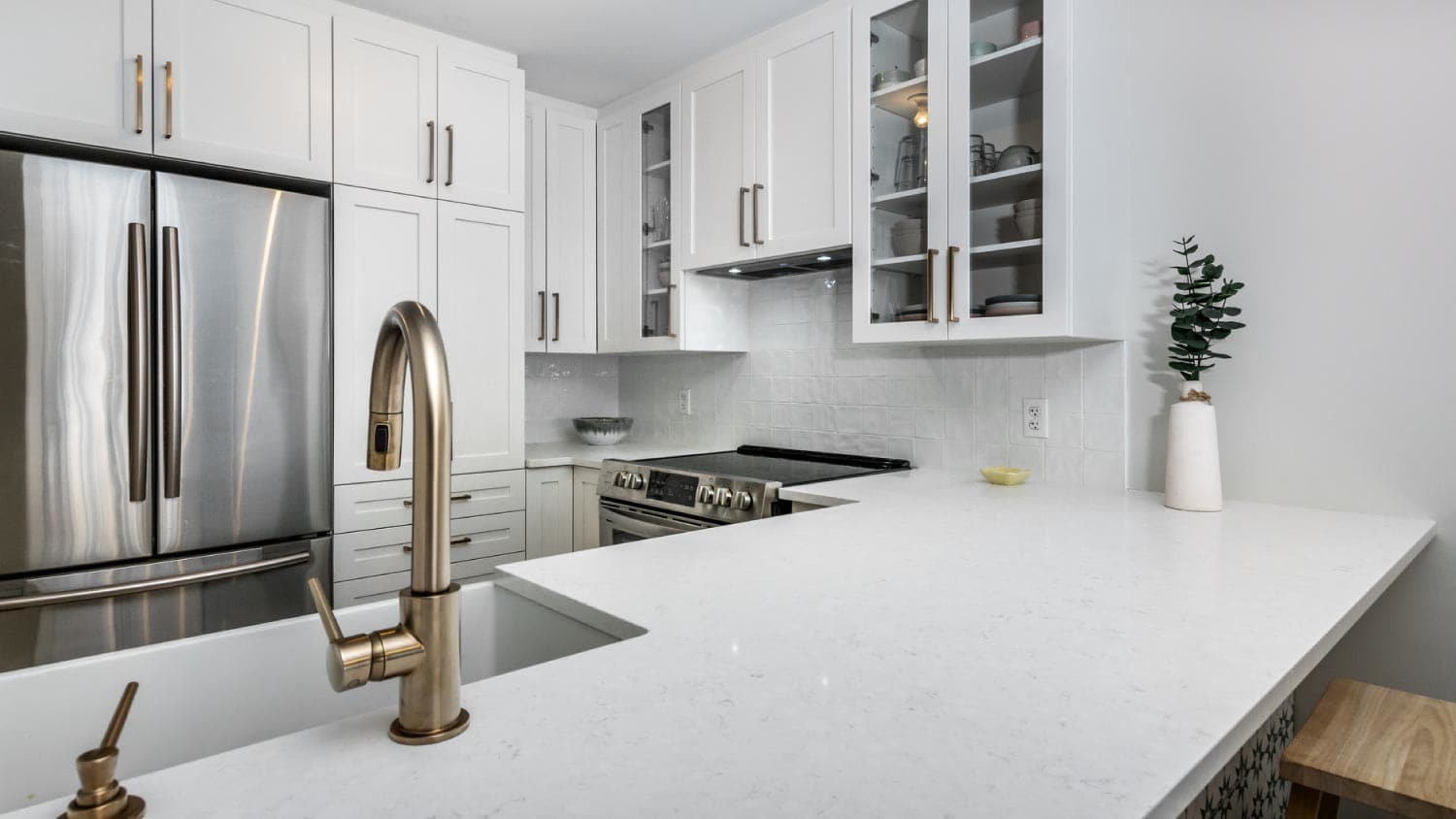
We take great pride in our experience, expertise, quality, and customer service that we provide to meet the consumers' needs. It is our mission to provide excellent workmanship and complete customer satisfaction from start to completion of a project. In order to understand the needs and expectations of our customers, we take great care to work and communicate with every customer in a professional manner. Our reputation is based on service, safety, and quality, regardless of how large, or small the job.
David Ferguson's construction business is dedicated to quality and outstanding customer service. Our job is to provide you with quality service at a great price. Please don't wait call us today.
Marble is a porous natural stone that needs sealant to minimize staining. Leaving this type of countertop material sealant-free means any liquids left on the surface will quickly absorb into the stone, discoloring it and dulling the sheen. Dark or acidic liquids, like red wine, coffee, and lemon, are the worst culprits.
Cultured stone is typically easier to cut compared to natural stone. Because it’s lightweight and porous, cutting cultured stone doesn't take as much effort. The process of cutting cultured and natural stone is the same; however, you may spend more time cutting through natural stone.
If you have light renovation experience, you should be able to build your own countertop made from wood or laminate. These tend to be the most DIY-friendly materials, but you’ll need to be comfortable using a circular saw and taking precise measurements. When it comes to installation, leave anything that involves plumbing, electricity, or gas lines to the pros.
The frequency for sealing granite countertops depends on several factors, including the type of sealant used, the color of the granite, and how heavily the countertops are used. As a general guideline, resealing is often recommended every 12 to 18 months, but some sources suggest it could be as often as every few months or at least once a year.
The type of sealant is a major factor: water-based sealants may need reapplication every six months to a year, while more durable solvent-based sealants can last for five to 10 years. Additionally, factors like heavy kitchen traffic, frequent use of acidic cleaners, and lighter granite colors may require more frequent sealing to prevent staining.
To determine if your countertops need resealing, you can perform a simple water test. Place a few drops of water or a wet paper towel on an inconspicuous area of the granite. After 10 to 15 minutes, check the spot. If the water has beaded up, the seal is still intact. If the water has been absorbed and darkened the stone, it's time to apply a new coat of sealant. You can choose to seal the granite yourself or hire a professional to ensure it's done correctly.
The best tool for cutting countertops depends on the type of countertop material. For some softer materials, like laminate (Formica) and butcher block, you can use a hand saw, but most experts recommend power saws like circular saws, since these make the job go faster and easier and give more even results. However, power saws and circular saws are dangerous if used incorrectly, and they can be so powerful that they damage or chip laminate, stone, and other types of countertops. For this reason, you should take safety precautions and use best practices to prevent damage.
The Wagner, SD homeowners’ guide to stone countertop services
From average costs to expert advice, get all the answers you need to get your job done.
Are you getting close to deciding on Caesarstone® countertops for your home? Discover all the details behind Caesarstone® countertop costs in this guide.
Are you weighing engineered stone vs. natural stone countertops? Both offer many of the same benefits, but there are differences in price, durability, and appearance.