"Miller and his colleagues were able to do a lot of things quickly. Along with everything else, they also grabbed some old furniture that I needed help moving to the curb. They took several cares to make sure nothing was damaged during the move, including wrapping the furniture, turning off all the lights, and packaging the picture frames."
we take great pride in our experience, expertise, quality and customer service that we provide to meet the consumer's needs. It is our mission to provide excellent workmanship and complete customer satisfaction from start to completion of a project. In order to understand the needs and expectations of our customers, we take great care to work and communicate with every customer in a professional manner. Our reputation is based on service, safety and quality, regardless of how large or small the job
Separate your junk pile into three categories: trash, recycling, and donations. Many cities offer bulk trash and recycling pickup for free or a small fee. Specialty items, such as those with refrigerant, will also require a special appointment. You can also speak with a junk removal service to create a plan for getting rid of junk over the course of a large project.
Yes, mineral spirits are considered hazardous waste because they’re both toxic and flammable. Direct contact with skin can cause rashes, and inhalation of fumes can lead to nausea, dizziness, and irregular heartbeats. That’s why it’s so important to dispose of materials like gas and mineral spirits with a hazardous waste collection program.
You have several options for disposing of excess sand. Any extra sand from your project can be used as part of your topsoil mixture to level out an uneven lawn. You can also donate it, give it to a green waste facility, or ask neighbors if they need sand. Another option is to try reselling it on a marketplace or simply returning unused bags to the original store.
Service costs depend on several factors, including the system's age, type, and size, as well as the complexity of the repair. Labor costs and whether replacement parts are necessary also play a significant role.
In most areas, the local sanitation service will take a few small pieces of concrete and other construction debris per pickup at no additional cost, but this varies based on your location. You can contact your sanitation department for more information. In many areas, you’ll need to call for bulk pickup for concrete pieces, which may cost you a small flat fee. If you’re looking to dispose of large amounts of concrete, it’s best to hire a concrete disposal service near you to avoid the process taking weeks or even months.
The Philip, SD homeowners’ guide to hauling services
From average costs to expert advice, get all the answers you need to get your job done.
Junk removal costs depend on the volume and type of waste you need removed, but paying a professional saves you time and energy over hauling it yourself.
From that old gas grill to piles of torn-up linoleum, you may be wondering, "Who can haul my junk away?" Here's who to call when your junk is piling up.
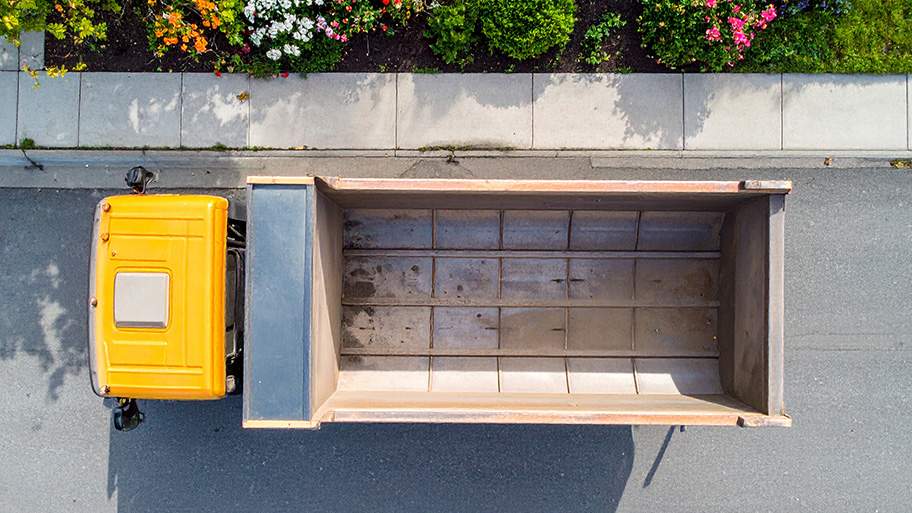
Need a dump truck for your project but not sure how big it should be? Use this guide on dump truck sizes and sizing to get the right size for your needs.