"I only use James when I need some work done to my house. He responds fast, gets the work done quicker than just about anyone else I've ever used and seems very concerned with leaving his customers happy."
We are committed to excellence in every aspect of our business. We uphold a standard of integrity bound by fairness, honesty, and personal responsibility. Our distinction is the quality of service we bring to our customers. Accurate knowledge of our trade combined with ability is what makes us true professionals. Above all, we are watchful of our customers' interests and make their concerns the basis of our business.
\n
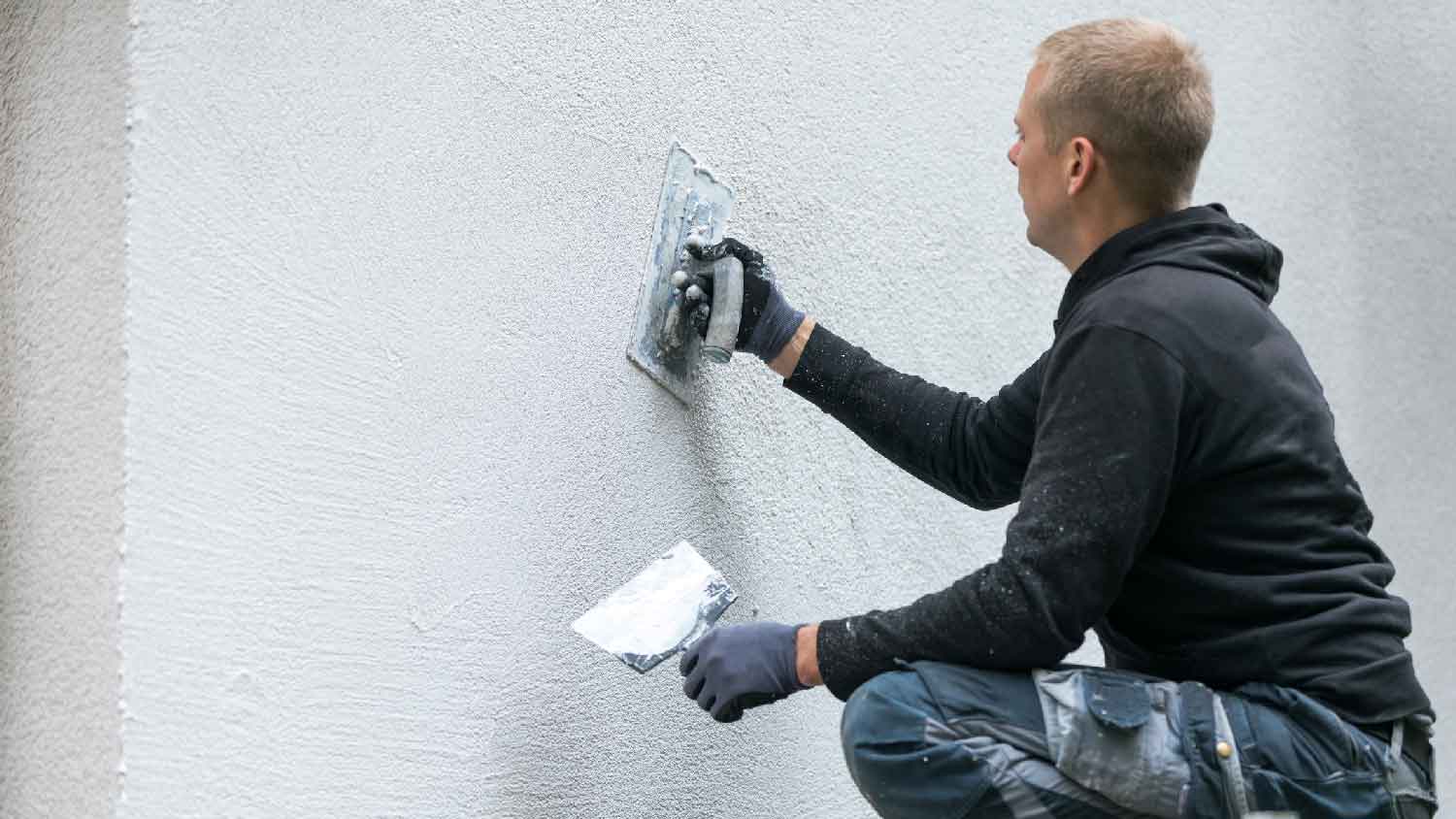
Yes, you can apply the stucco yourself, but it is a time- and labor-intensive project, especially on the exterior of a whole house. DIY stucco is better suited for repairing stucco siding or siding a smaller building, such as a shed or garage. Since most of the cost of stucco siding goes to labor, you can cut down significantly on the total if you’re up for the challenge.
The best way to assess that your stucco needs repair is to inspect it, both visually and physically. If you notice cracks, chips, or staining, that’s a good indication that your stucco could use some TLC by a professional. Additionally, if you touch an area that feels soft and has a little “give,” you should consider repairing it as soon as possible to avoid further damage, both to additional stucco spots and to your home’s structure.
To repair damaged exterior stucco, you’ll first remove all loose and crumbling material from the damaged area. You then need to thoroughly clean the area and dampen it to ensure proper bonding. After that, you’ll apply a bonding agent to the repair area, then apply new stucco in layers, allowing for curing time between each layer. The final coat should be textured to match the surrounding stucco pattern as closely as possible. Once fully cured, the repaired area can be painted to match the rest of the wall if needed.
Repaired stucco requires regular inspections, cleaning to prevent mold or mildew build-up, and timely minor repairs to address hairline cracks. Applying protective sealants can also enhance longevity and maintain its appearance.
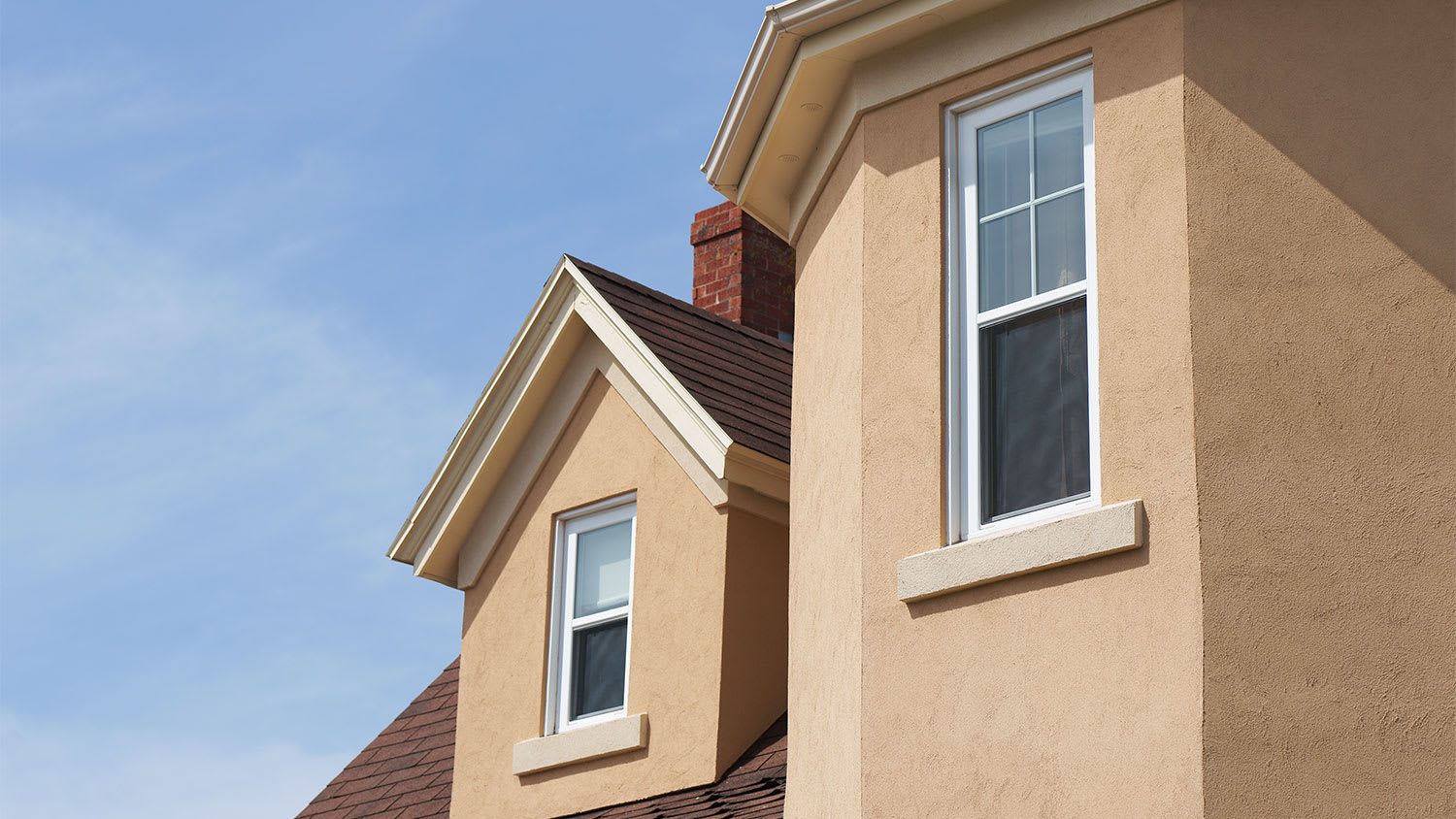
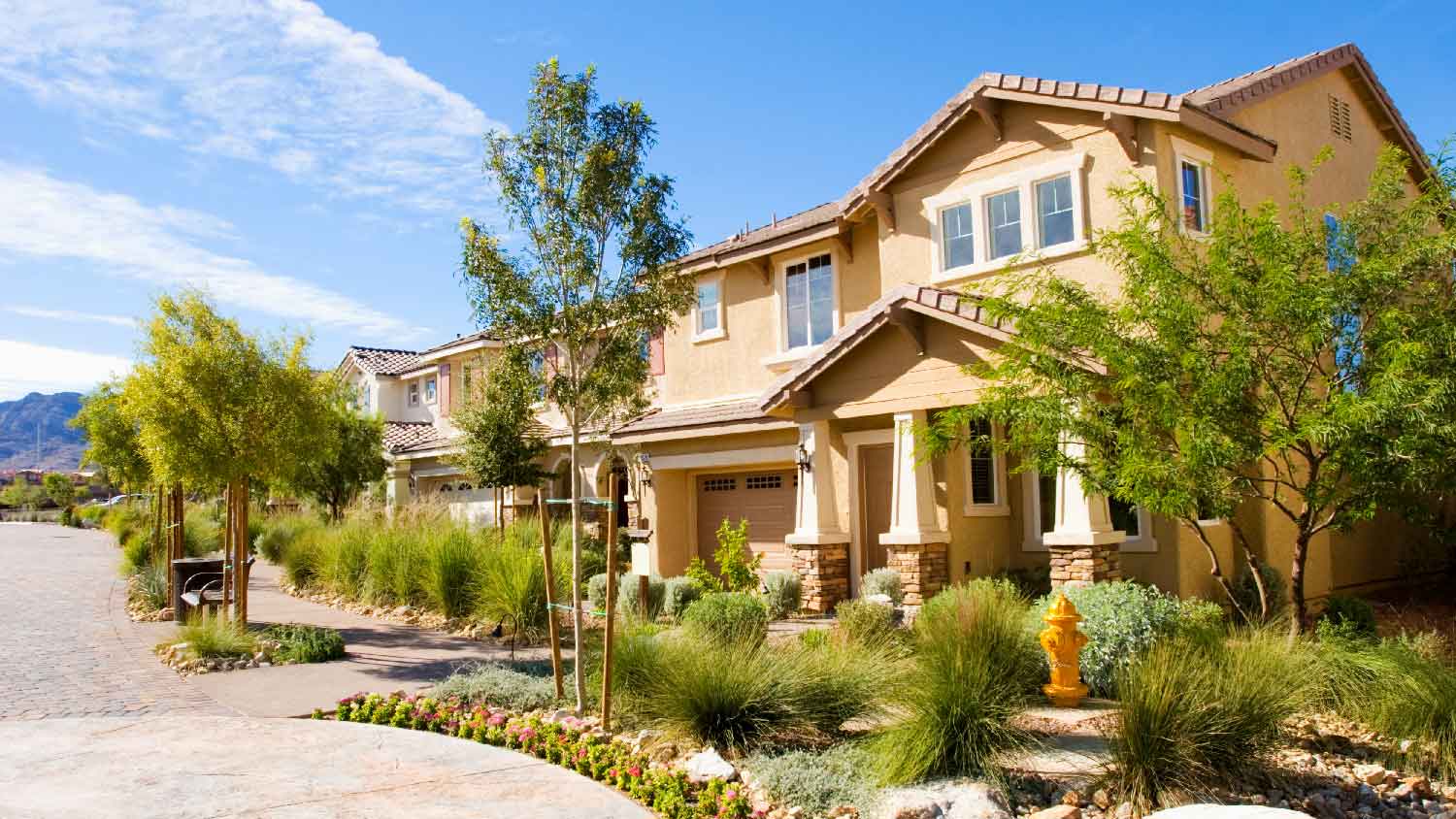
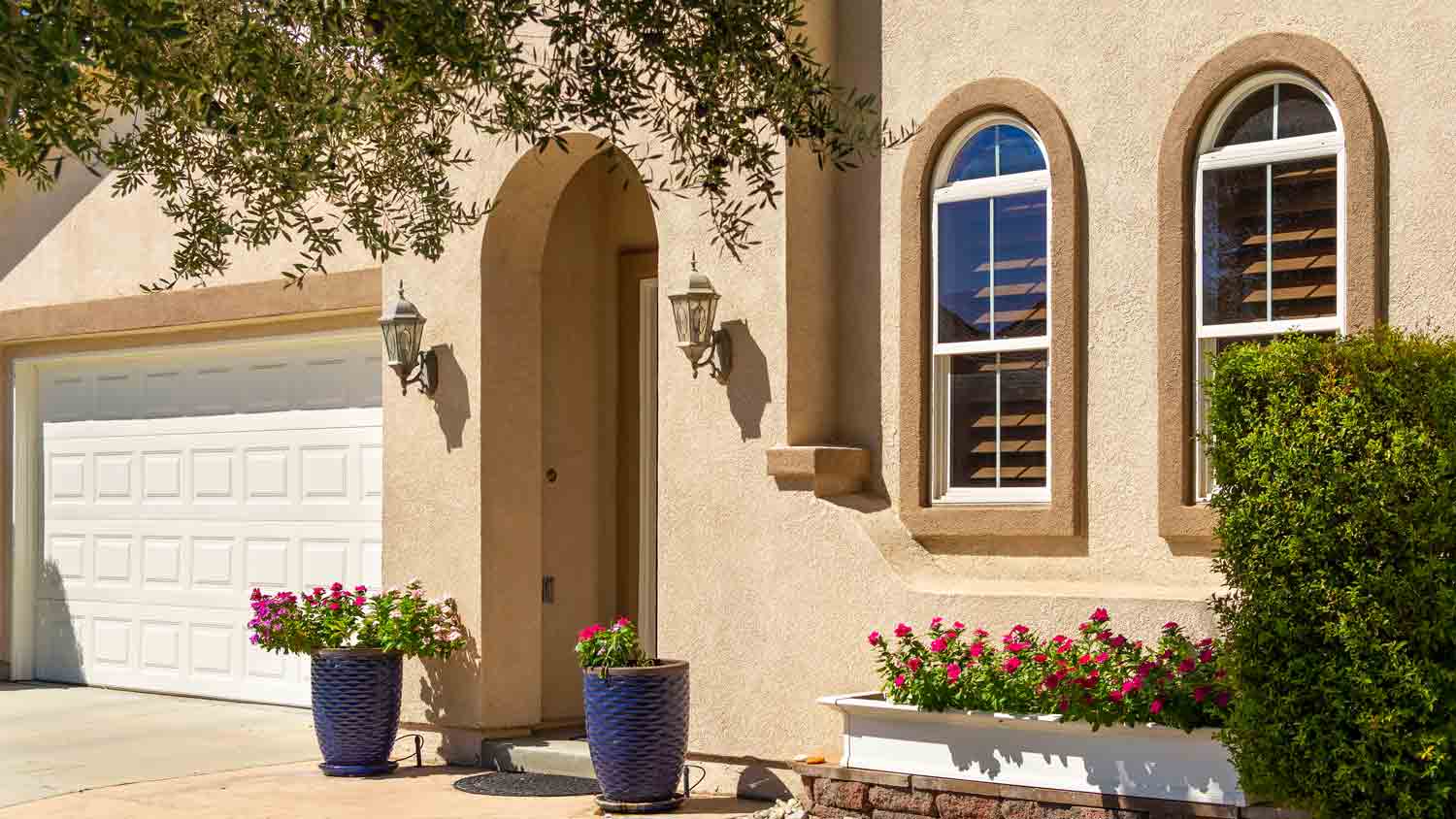
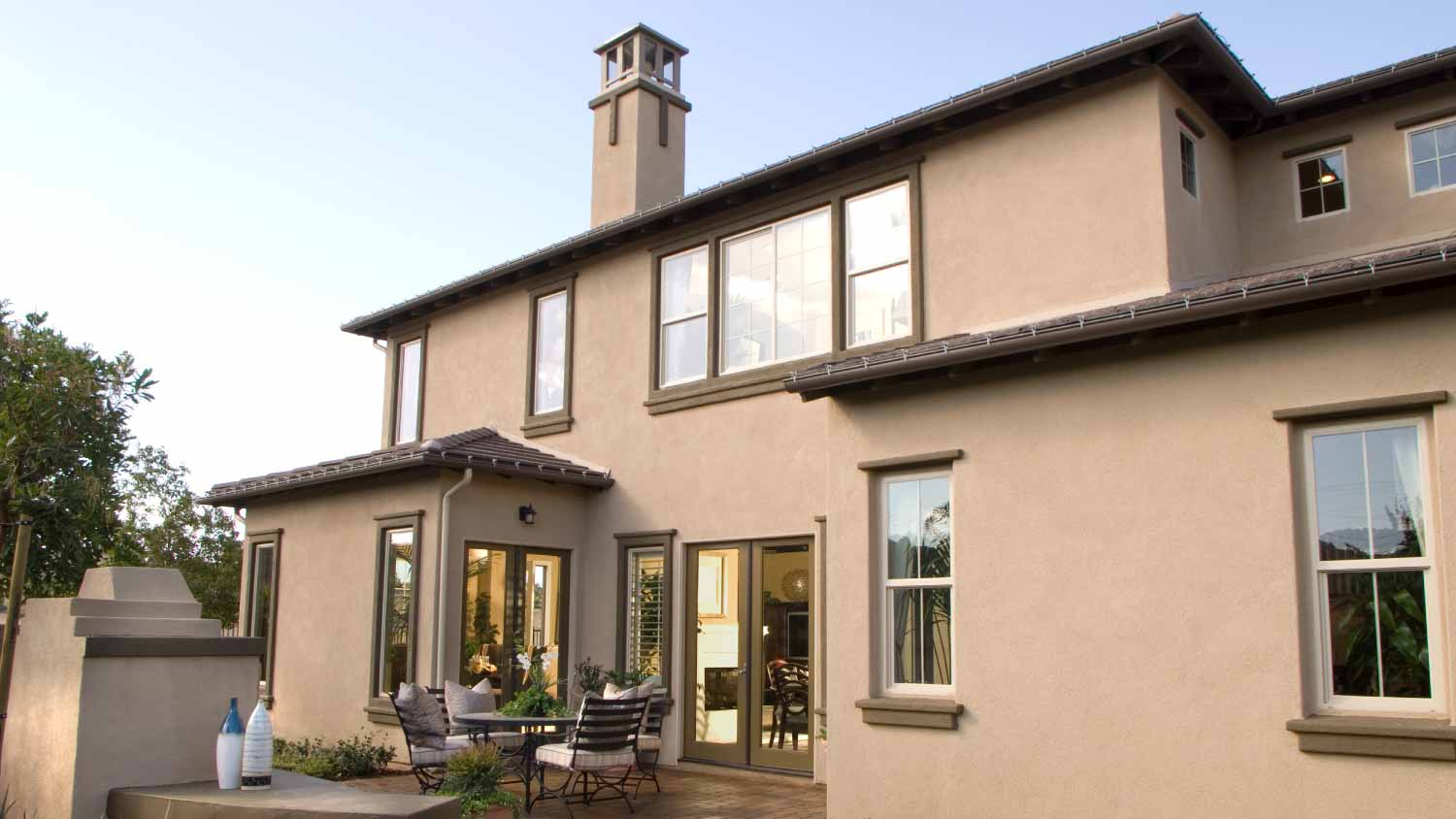
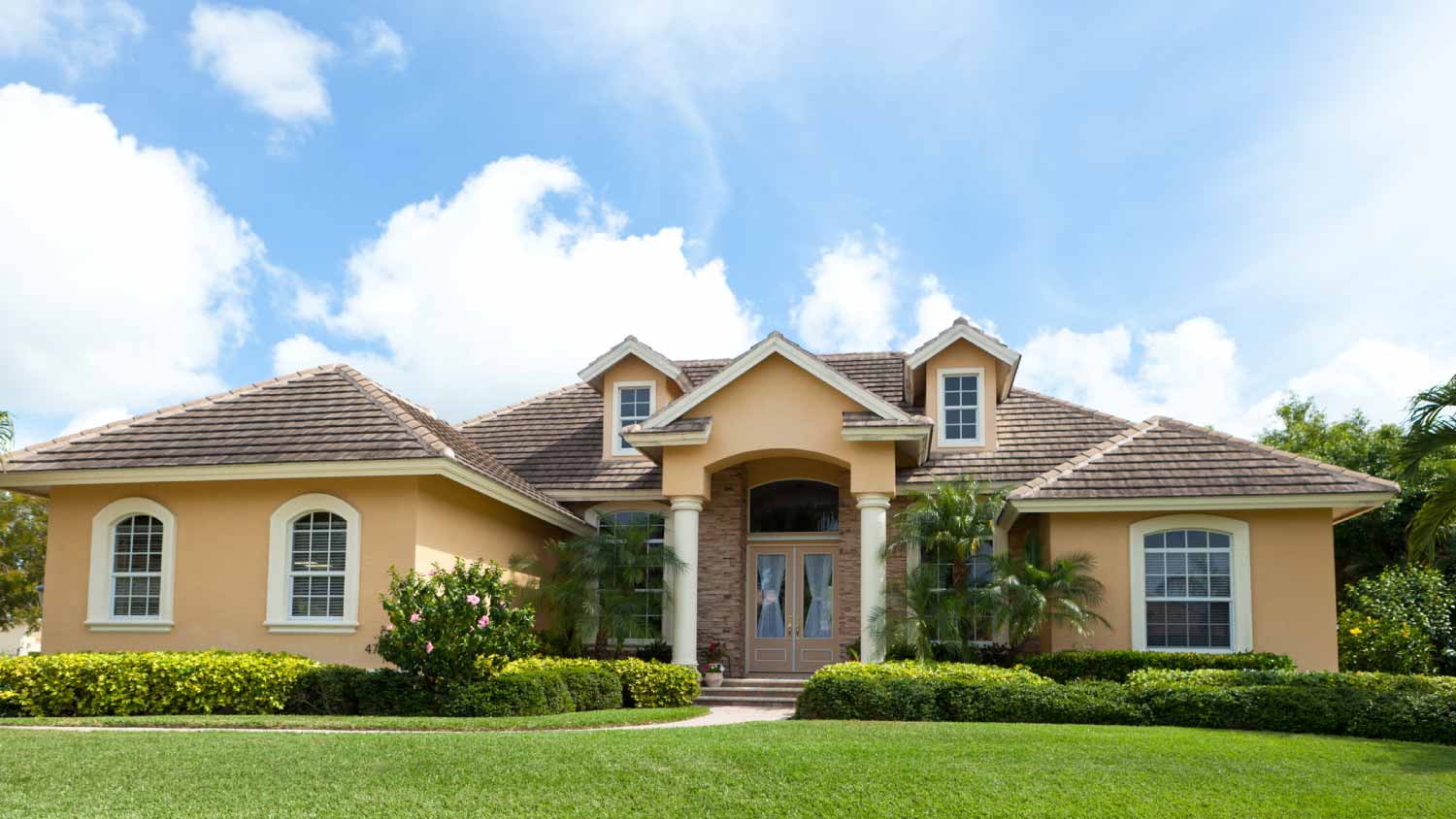
Neutral colors like white, tan, beige, and light brown are the most popular stucco colors. Natural stucco has a grayish color due to the high concentration of Portland cement in the material, but most homeowners have their contractors add pigments to create a more inviting appearance. Stucco is most popular in hotter climates, where it provides ample insulation to regulate interior temperatures and keep the solar heat out. Since lighter colors reflect more sunlight, lighter stucco is more prevalent.
The Oglala, SD homeowners’ guide to stucco services
From average costs to expert advice, get all the answers you need to get your job done.
Discover the cost to stucco a house in 2026, including average prices, key factors, and tips to help you budget and plan your stucco project with confidence.
Installing new stucco gives your home a facelift and boosts home value. But can you stucco over stucco? You can, but there are some things to consider.
Choose the right pro for stucco installation to get the best professional-quality results. Learn who does stucco installation and the benefits of hiring a pro.
Wondering if stucco increases home value? The short answer is, yes, but the ROI you’ll see depends on a few factors, like location and installation costs.