"I only use James when I need some work done to my house. He responds fast, gets the work done quicker than just about anyone else I've ever used and seems very concerned with leaving his customers happy."
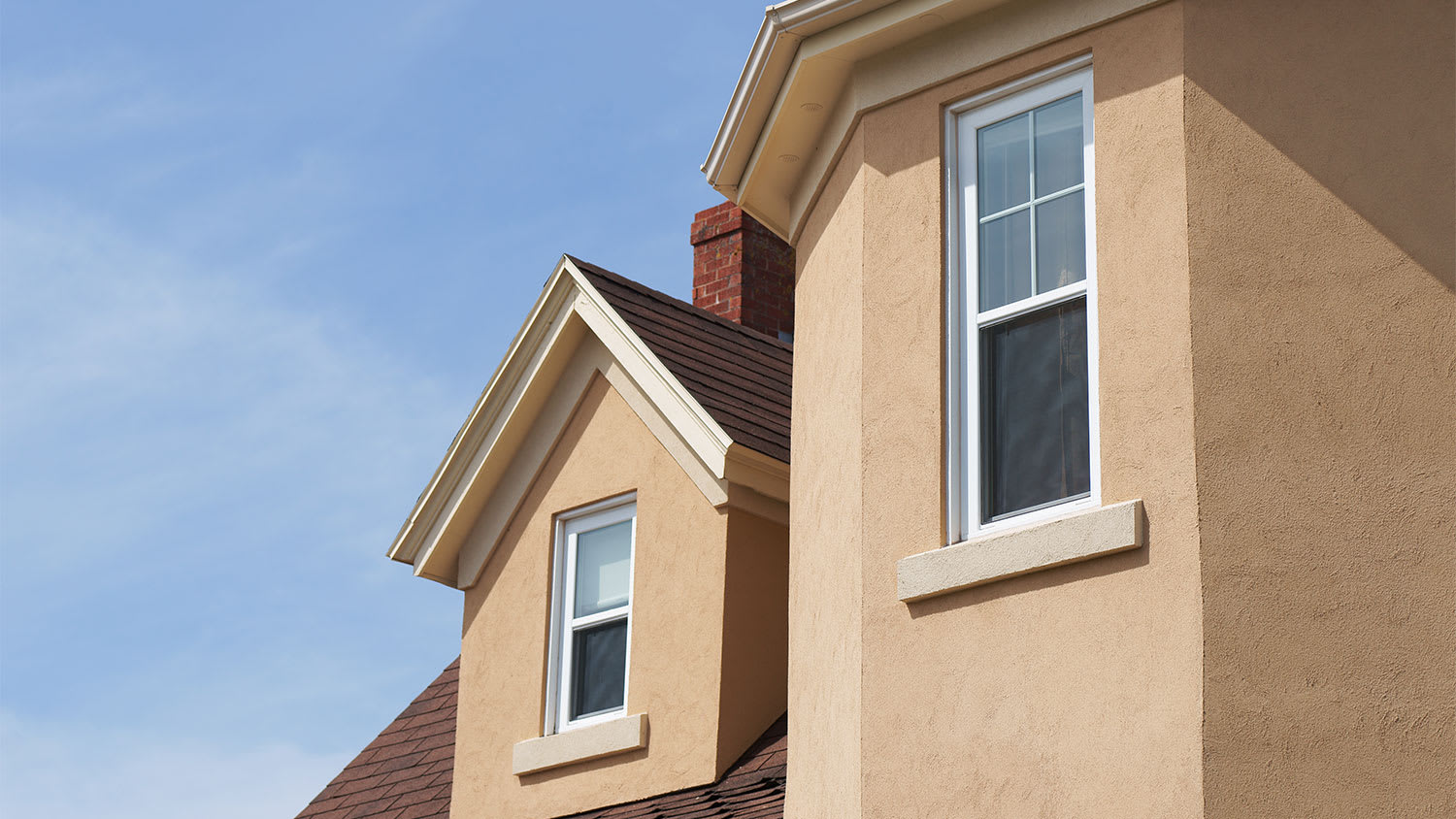
Stucco is durable, energy-efficient, and low-maintenance, making it a popular choice for exterior finishes.
Well-maintained trim boosts aesthetic appeal and prevents costly future repairs.
All of the components of stucco are non-combustible, so the siding material won’t ignite or spread fire to the interior of your home. However, it also expands and contracts with changes in temperature, so it will crack from long exposure to heat. Eventually, fire will spread through those cracks. Still, stucco is one of the best siding materials for fire protection and can keep you and your family safe for an hour, on average.
If contractors discover water damage, rot, or mold beneath the stucco, additional repairs will be necessary. These repairs can increase your total project cost and timeline, but addressing them promptly is essential for your home’s structural integrity. Ignoring hidden damage can lead to more severe issues and higher costs in the future.
It’s not advisable to use CLR on stucco. CLR is a powerful acidic cleaner designed for removing tough mineral stains. Stucco is a porous material commonly made of cement, lime, and sand. The acidic nature of CLR can potentially damage or etch the stucco surface, leading to discoloration or deterioration.
It is best to use cleaning solutions specifically formulated for stucco or mild household cleaners mixed with water to clean stucco siding. Always test any cleaning product in a small, inconspicuous area before applying it to the entire stucco surface.
The Martin, SD homeowners’ guide to stucco services
From average costs to expert advice, get all the answers you need to get your job done.
Discover the cost to stucco a house in 2026, including average prices, key factors, and tips to help you budget and plan your stucco project with confidence.
Installing new stucco gives your home a facelift and boosts home value. But can you stucco over stucco? You can, but there are some things to consider.
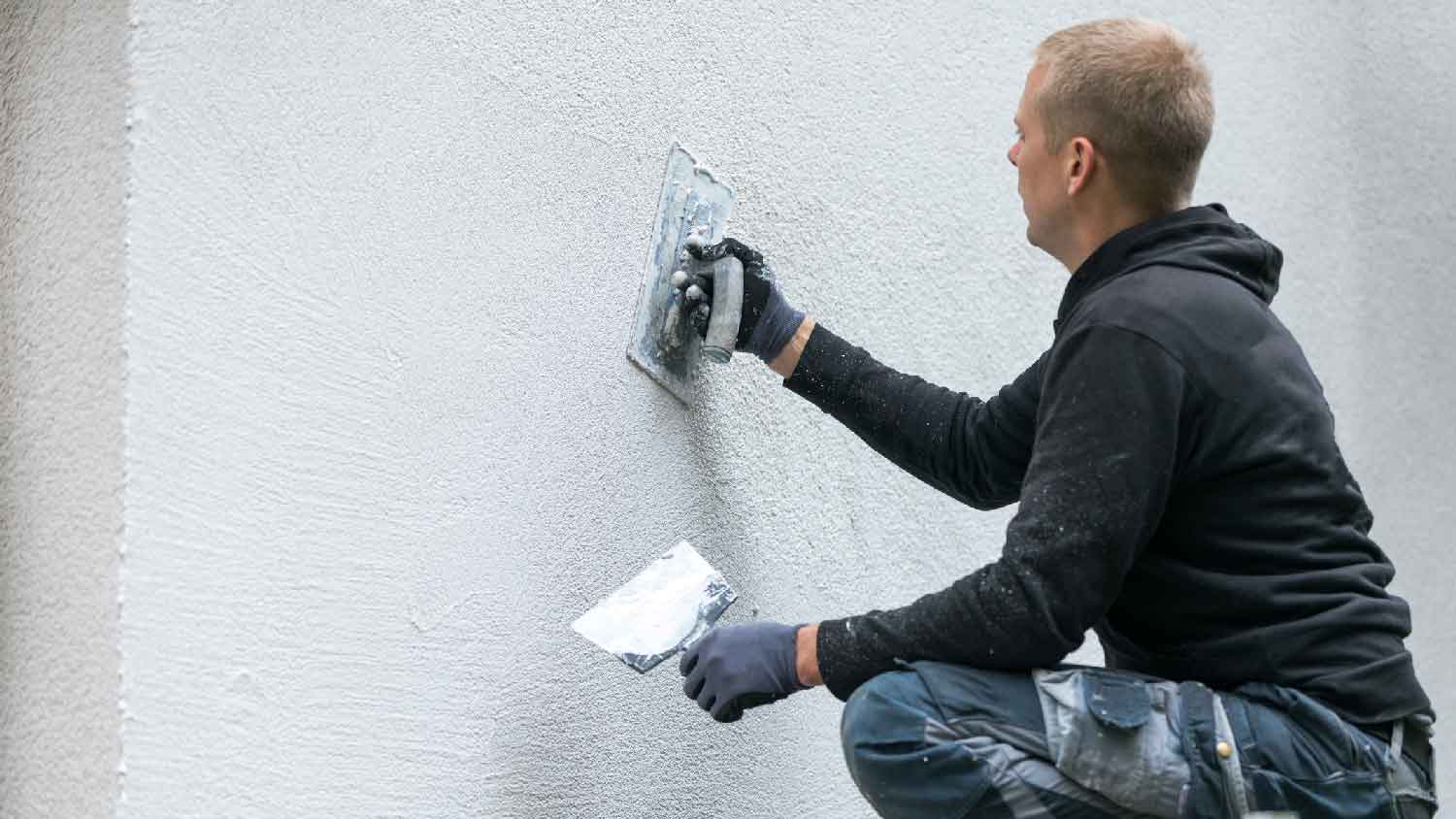
Choose the right pro for stucco installation to get the best professional-quality results. Learn who does stucco installation and the benefits of hiring a pro.
Wondering if stucco increases home value? The short answer is, yes, but the ROI you’ll see depends on a few factors, like location and installation costs.