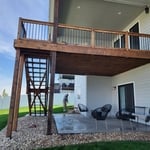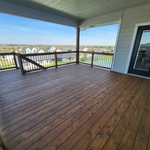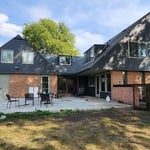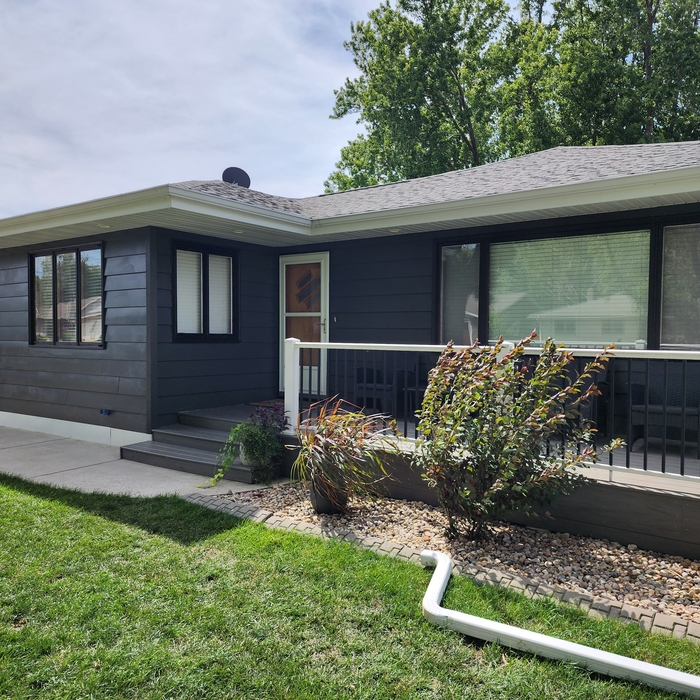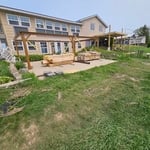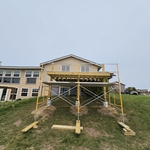




Top-rated deck staining pros.

Best deck staining pros near Mount Vernon, SD

Enter your zip and get matched with up to 5 pros

Need a pro for your deck staining project in Mount Vernon, SD?

Select your specific project to find the pro for you.

Top-Rated Deck staining pros in Mount Vernon - Updated Nov 2026

Avatar for Valley Wide Painting & Restorations
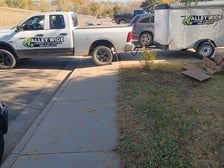
Valley Wide Painting & Restorations
5.0(
1
)
Exterior Home or Structure - Paint or Stain: Large

Serving Mount Vernon, SD and surrounding areas

In business since 2024

"Very professional, high quality work and fair prices. Work was completed in a timely manner and was very accommodating for some minor changes. Dependable, trustworthy and highly skilled. Highly recommended."
Response time1 day
Response rate91%
Showing 1-10 of 17
Deck Staining FAQs, answered by experts

Painting a damaged pool deck is not recommended if the substrate is crumbling, cracking, spalling, or otherwise actively deteriorating. Continuing deterioration will result in the paint also delaminating or flaking off the damaged surface. Minor damage such as chips or hairline cracks that are not actively deteriorating can often be repaired enough to paint over. A damaged pool deck with a lot of cracking and deterioration should be replaced for best results.

Wood stain does go bad, but it will last in the can for between three and six years, provided you use proper storage techniques. Storing wood stain in open containers or in extremely low or high temperatures will cause your wood stain to become unusable much more quickly. Water- and latex-based wood stains typically last for just two to four years, while oil-based wood stains can last for three to six years.

You can paint over old paint on a concrete porch. For the best results, you should first clean the surface and remove as much paint as you can. A power washer is helpful here, but you’ll also want to scrape as much of the old paint away as possible. Then you should prime the porch before repainting it.

100% acrylic latex lasts the longest for most siding. Premium 100% acrylic products carry lifetime warranties against peeling, blistering, and fading. Match the grade to your surface and climate for the best lifespan.

Limewash and whitewash are two techniques used to give brick a light, matte finish, but they differ in composition, application, and permanence. The best choice depends on your aesthetic goals and the specific surface.

Composition

  • Limewash: A natural and environmentally friendly option made from limestone, water, and sometimes pigments. It is breathable and soaks into porous surfaces like brick.

  • Whitewash: Traditionally made from lime, water, chalk, and binders, but a similar look can be achieved with watered-down white paint. It is paint-based and sits on top of the surface.

Appearance and Finish

  • Limewash: Provides a natural, textured appearance that allows the brick's character to show through. It offers a more traditional finish.

  • Whitewash: Creates a softer, more opaque finish, often used for a rustic or shabby-chic style.

Application and Permanence

  • Limewash: Is semi-permanent and can be removed, making it a good choice if you might want to change the look in the future. It requires more skill to apply and cannot be used on previously painted brick.

  • Whitewash: Is a more permanent solution. It is more forgiving to apply and can be used on painted brick. However, because it sits on the surface, it can trap moisture.

Ultimately, if you want a breathable, natural, and reversible finish for unpainted brick, limewash is a great option. If you need a more permanent, opaque coating that can be applied over painted surfaces, whitewash is the better choice. Whitewashing may also be more economical, costing approximately $1.40 to $4.20 per square foot.

The Mount Vernon, SD homeowners’ guide to deck staining services

From average costs to expert advice, get all the answers you need to get your job done.