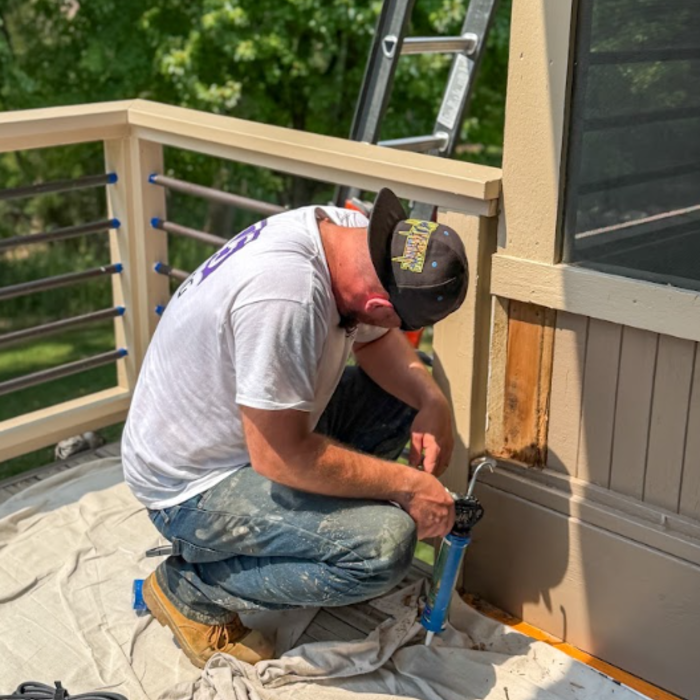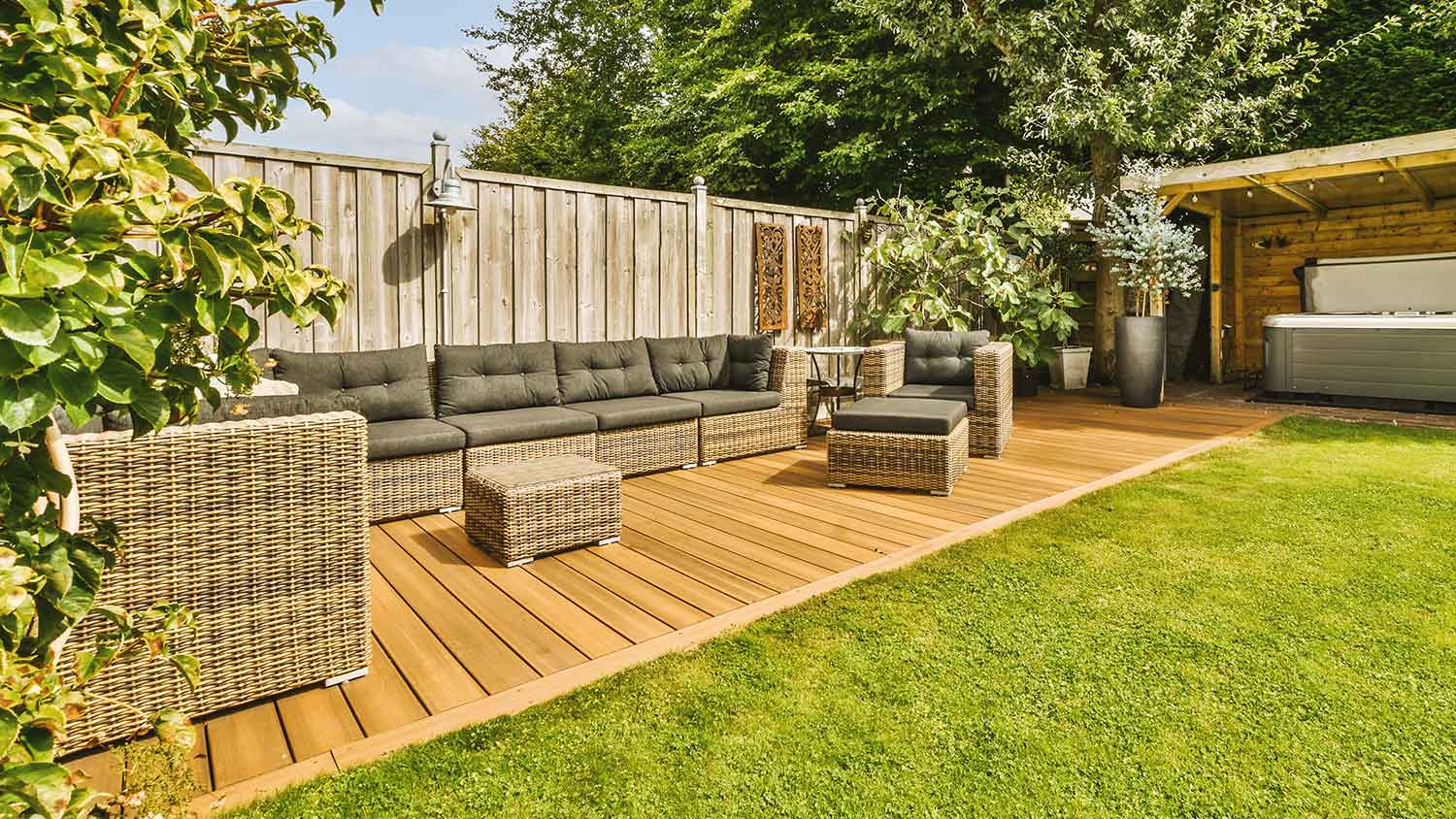







Top-rated deck staining pros.

Get matched with top deck staining pros in Bridgewater, SD

Enter your zip and get matched with up to 5 pros

Need a pro for your deck staining project in Bridgewater, SD?

Select your specific project to find the pro for you.

Find Deck staining pros in Bridgewater

Avatar for Ray's Painting
Ray's Painting
5.0(
6
)
Exterior Home or Structure - Paint or StainExterior Home or Structure - Paint or Stain: LargeExterior Home or Structure - Paint or Stain: Medium

Serving Bridgewater, SD and surrounding areas

In business since 2013

Free estimates

Emergency services offered

"Rays painting did an excellent job. They fixed loose boards and replaced bad siding before painting. Ray and his crew were prompt and courteous. They cleaned up after themelves and didn't leave a mess. Very happy with there work and have had numerous compliments from friends and family."
Tank painting
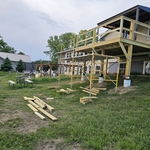
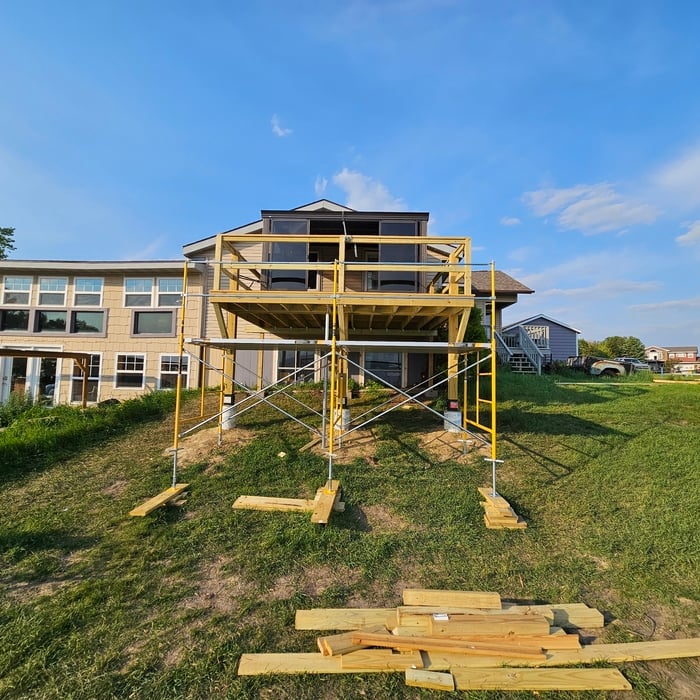
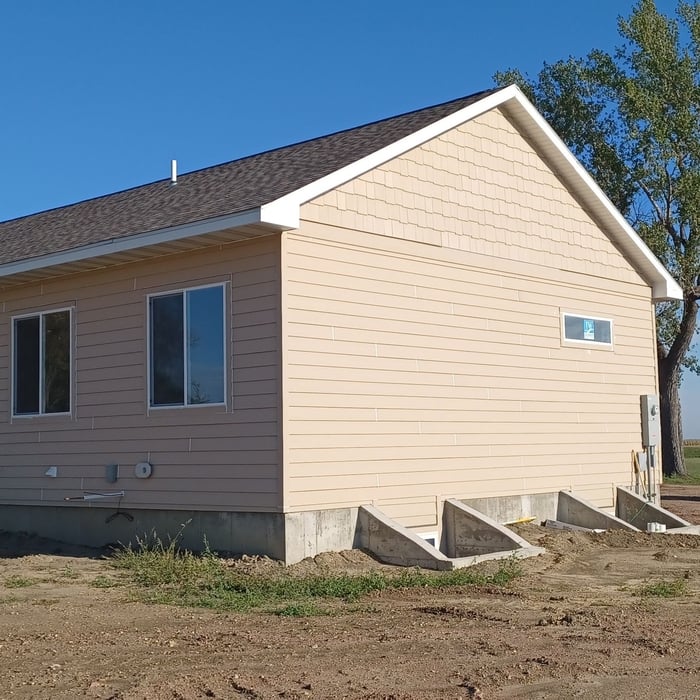
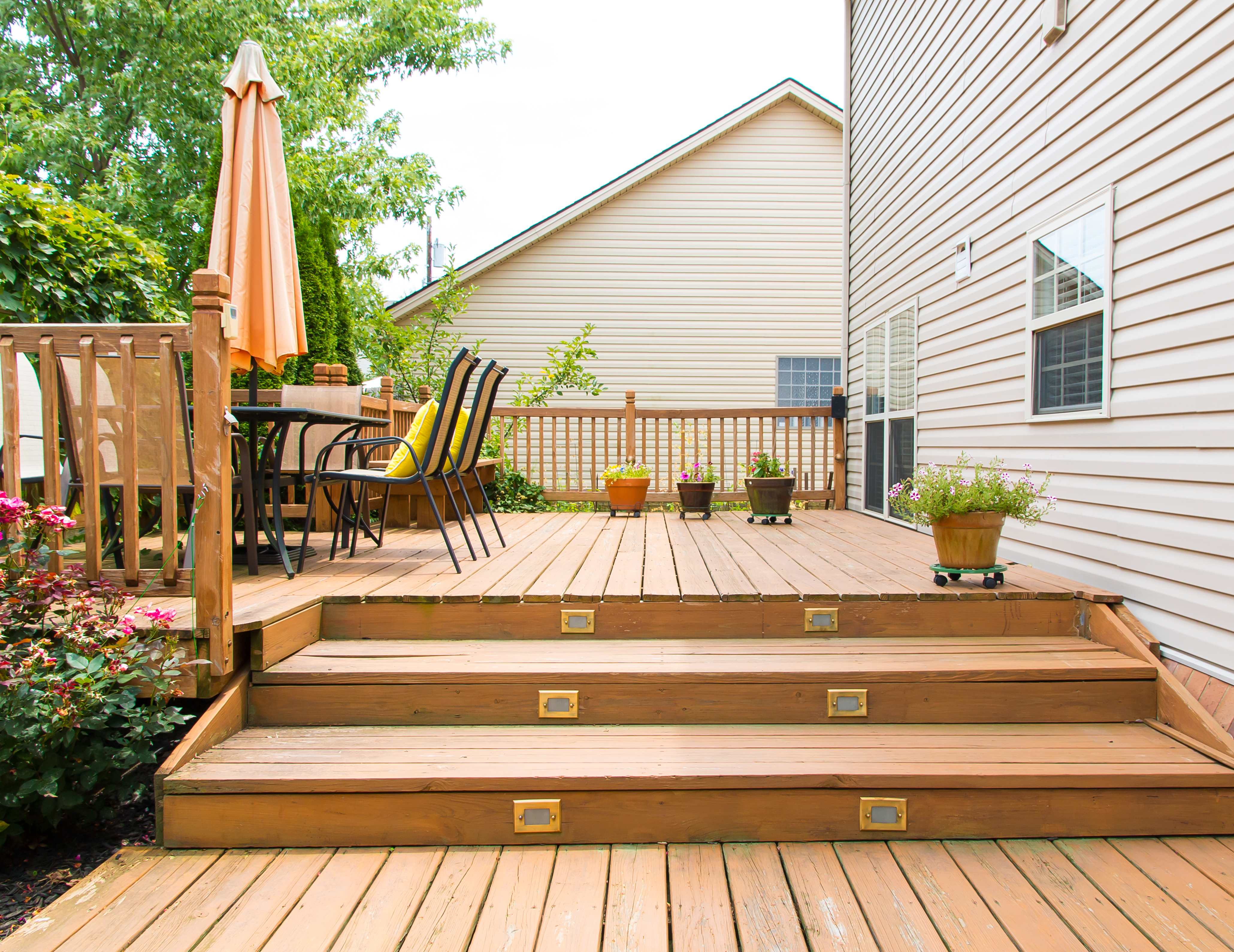
Additional Photos
Additional Photos
Additional Photos
Additional Photos

+8

Recommended by100%of homeowners
Showing 1-10 of 20
Deck Staining questions, answered by experts

Yes, you can waterproof any wood that has not already been treated. A good way to test this is to splash some water on it. If the water starts to bead up, the wood is treated and most likely doesn’t need another coating.

In most cases, sanding an old deck before staining it is necessary to achieve a decent finish. If your old deck has a relatively new stain finish on it and you're only doing touch-ups, you can generally skip the sanding part. However, if your goal is to make the deck look and function better, sanding first is a must. 

Applying too much sealer to a deck might seem like extra protection, but it can cause more harm than good. Wood is a porous material with a limited capacity to absorb liquids. When you go overboard with sealer, the excess can't soak in and instead forms a film on the surface. This leftover layer is prone to peeling, cracking, and trapping moisture, ultimately defeating the purpose of sealing in the first place. 

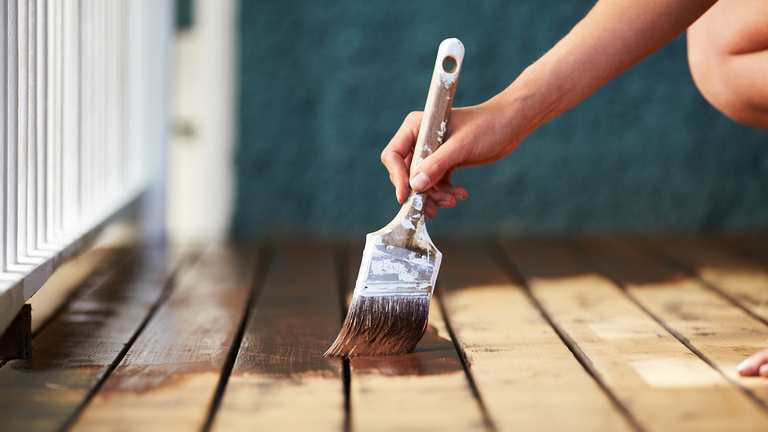
Whether to brush or roll stain on wood depends on the project and your preference. Brushing is ideal for smaller, intricate areas and offers more control over the application, ensuring thorough coverage and penetration into the wood's grain. 

Conversely, rolling is efficient for more extensive, flat surfaces and can save time. However, it is not always the best fit for textured or uneven wood. Some projects may benefit from combining both methods, using a brush for detail work and a roller for broader areas. Ultimately, the choice between brushing and rolling depends on the specific requirements of your staining project.

Constant exposure to inclement weather conditions can damage your deck, causing it to fade, warp, or crack over time. Regular maintenance keeps it looking and performing its best. That means giving it a good cleaning and applying a quality sealant or wood treatment to help defend against moisture, sun damage, and everyday wear.

The Bridgewater, SD homeowners’ guide to deck staining services

From average costs to expert advice, get all the answers you need to get your job done.