If the toilet is overflowing but there’s no clog, that’s a sign that the issue is deeper in the system, and plunging may not help. A blockage in your home’s plumbing, the plumbing vent, or even city sewer lines can cause toilets to overflow. The issue could also be the toilet itself if the filler float isn’t set to the correct height or if parts are damaged or worn out.
To prevent septic tank problems, save on repair costs, and keep your home running smoothly, it's essential to perform regular maintenance. Have your septic system inspected by a professional every one to three years, or annually if possible, to spot potential issues before they develop. You should also have your tank pumped every three to five years, or more frequently if recommended by a professional based on your household's usage. Additionally, be mindful of what goes into your system. Avoid flushing items like paper towels, wet wipes, and feminine hygiene products. Do not dispose of other inappropriate substances, and try to avoid excessive water usage at a single time.
On average, you should call a pro to pump your cesspool once per year. If you have a larger home with a lot of family members, you may need to pump more (up to six times per year). On the flip side, if you’re talking about a cesspool for a home you don’t use much or if you’re the only occupant in a home, you won’t have to pump nearly as much.
It only takes a few days for a septic tank to fill with water after a pro has pumped it. This is completely normal, and the water is a vital part of your septic system’s wastewater treatment process. The water that fills your tank days after pumping is not the same as the tank being filled with waste. You shouldn’t have to pump your septic system more than once every three to five years unless you have a tank that’s too small for your home’s water output or there’s a problem with your leach field.
A household of four can easily fill a 1,000-gallon septic tank within a week. It may be 10 to 14 days for smaller households. But the reason why you don't need weekly pumping is because the tank's contents eventually reach the overflow pipe. They flow down this pipe to the absorption area whenever water is used in your home. The tank keeps working at this full level until it's pumped again.
The Mina, SD homeowners’ guide to aquarium services
From average costs to expert advice, get all the answers you need to get your job done.
Discover mosquito control service cost estimates, including average prices, key cost factors, and tips to save on professional mosquito treatments for your home.

If you’re moving, you need to consider distance, weight, packing, and more. Our guide provides the average cost to move a 3-bedroom house long distance.

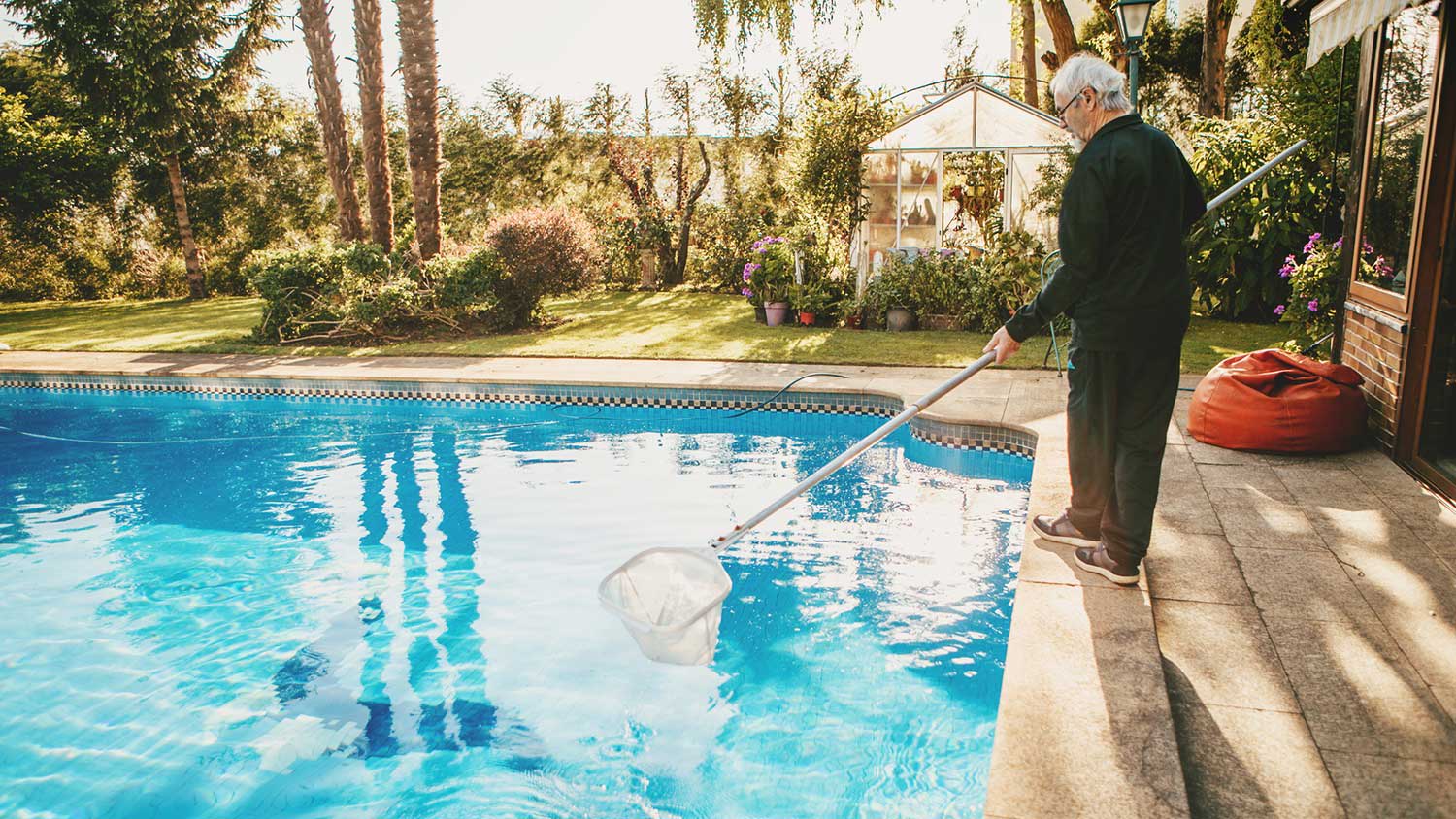
If you live in an area without very cold winters but tempted to close your pool during the cooler months, read on. We dive into the many benefits of winter service.

Learn about home items that are nearly impossible to move without movers, either because they are awkwardly shaped, too heavy, or require special equipment.
Moving an aquarium entails packing it securely, keeping your pets safe, and maintaining the balance of beneficial bacteria. Learn how to move a fish tank.