A two-way cleanout can help if there’s already a clog, but the best strategy to prevent one is by not rinsing grease, oil, or fat down your drains, not flushing or rinsing coffee grounds or egg shells down your drains, flushing only human waste and toilet paper (so no diapers, period products, bathroom wipes, or paper towels), and using drain guards on all of your drains.
It is not normal to smell your septic outside and indicates a problem such as an unsealed manhole or access lid, a clogged septic line, a faulty vent stack, or the need for a septic tank pumping. If sewage is leaking from your septic system, it can be hazardous to you, your family, pets, and the surrounding environment. You can troubleshoot the issue yourself, or contact a septic tank pro who can resolve the issue quickly.
Needing to pump the tank as soon as it “looks” full is a common myth about septic systems, as wastewater will eventually drain into the leach field. Instead, it’s better to determine how many solids have accumulated. A septic maintenance technician near you can test this to find out whether pumping is necessary.
Depending on the home, wastewater either goes into a septic tank and seeps back into the backyard or is sent via sewer system to a local sewage-treatment plant. Septic systems naturally separate different components of the waste so that it can naturally and safely disperse it. They are usually reserved for homes not served by a municipal sewage department (like rural homes). A treatment plant, on the other hand, speeds up that process through screening and purification.
Baking soda can help neutralize septic tank odors. If the pH balance in your tank is off, it may emit a sulfurous, rotten-egg-like smell. Flushing about one cup of baking soda down the toilet once a week can help neutralize the odor. To increase the beneficial bacteria in your tank, you can add three rotten tomatoes through your garbage disposal every three months.
To prevent odors in the first place, only flush human waste and toilet paper. Avoid pouring coffee grounds, fats, oils, or grease down your drains, as this can lead to clogs. While these methods can help, the most effective long-term solution is to have your septic tank pumped regularly, typically every three to five years. Because sewage gas can be toxic, it is recommended to hire a professional to identify the source of the smell rather than only trying to neutralize it.
The Onida, SD homeowners’ guide to aquarium services
From average costs to expert advice, get all the answers you need to get your job done.
Discover mosquito control service cost estimates, including average prices, key cost factors, and tips to save on professional mosquito treatments for your home.
If you’re moving, you need to consider distance, weight, packing, and more. Our guide provides the average cost to move a 3-bedroom house long distance.
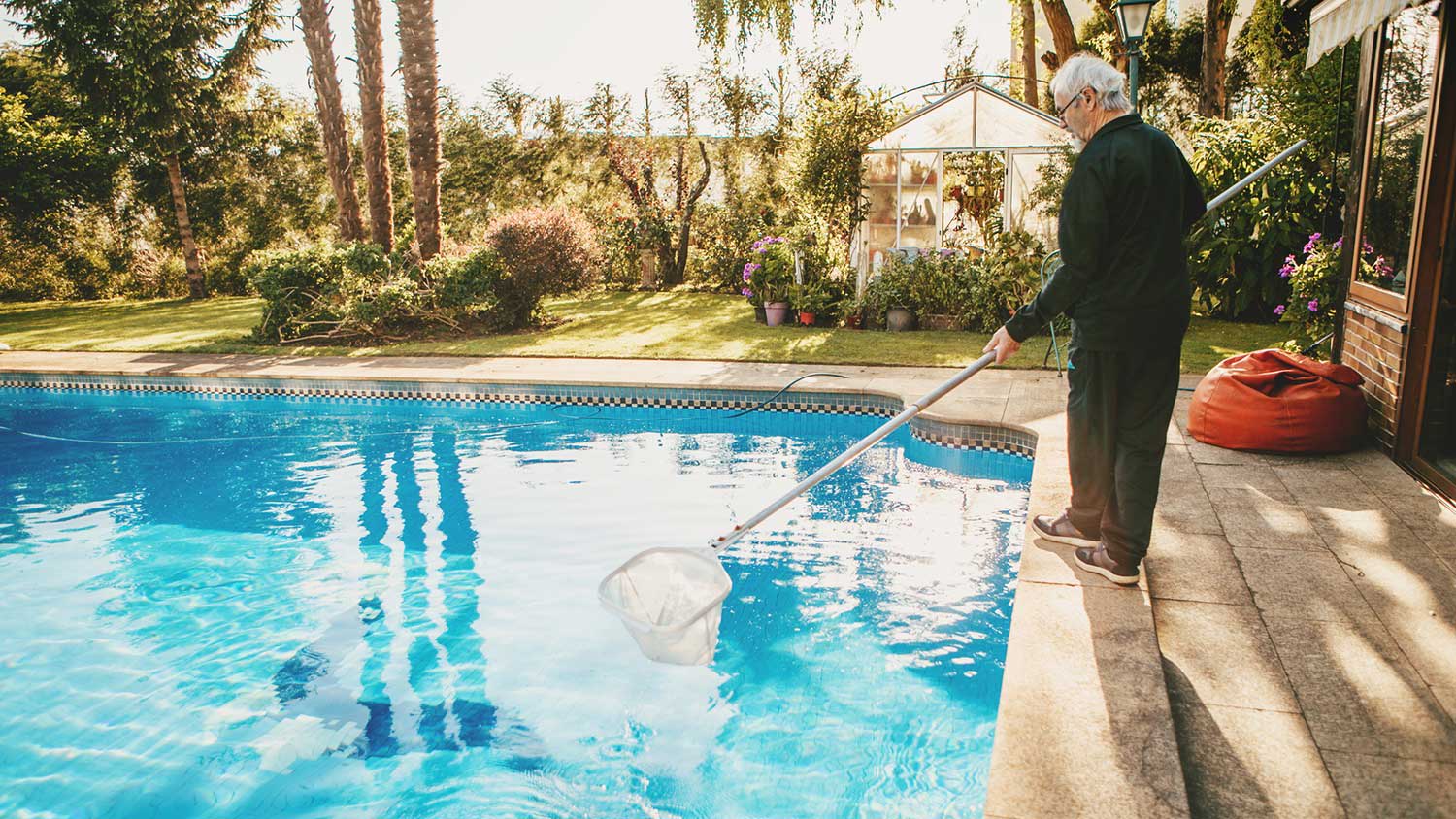
If you live in an area without very cold winters but tempted to close your pool during the cooler months, read on. We dive into the many benefits of winter service.
Learn about home items that are nearly impossible to move without movers, either because they are awkwardly shaped, too heavy, or require special equipment.
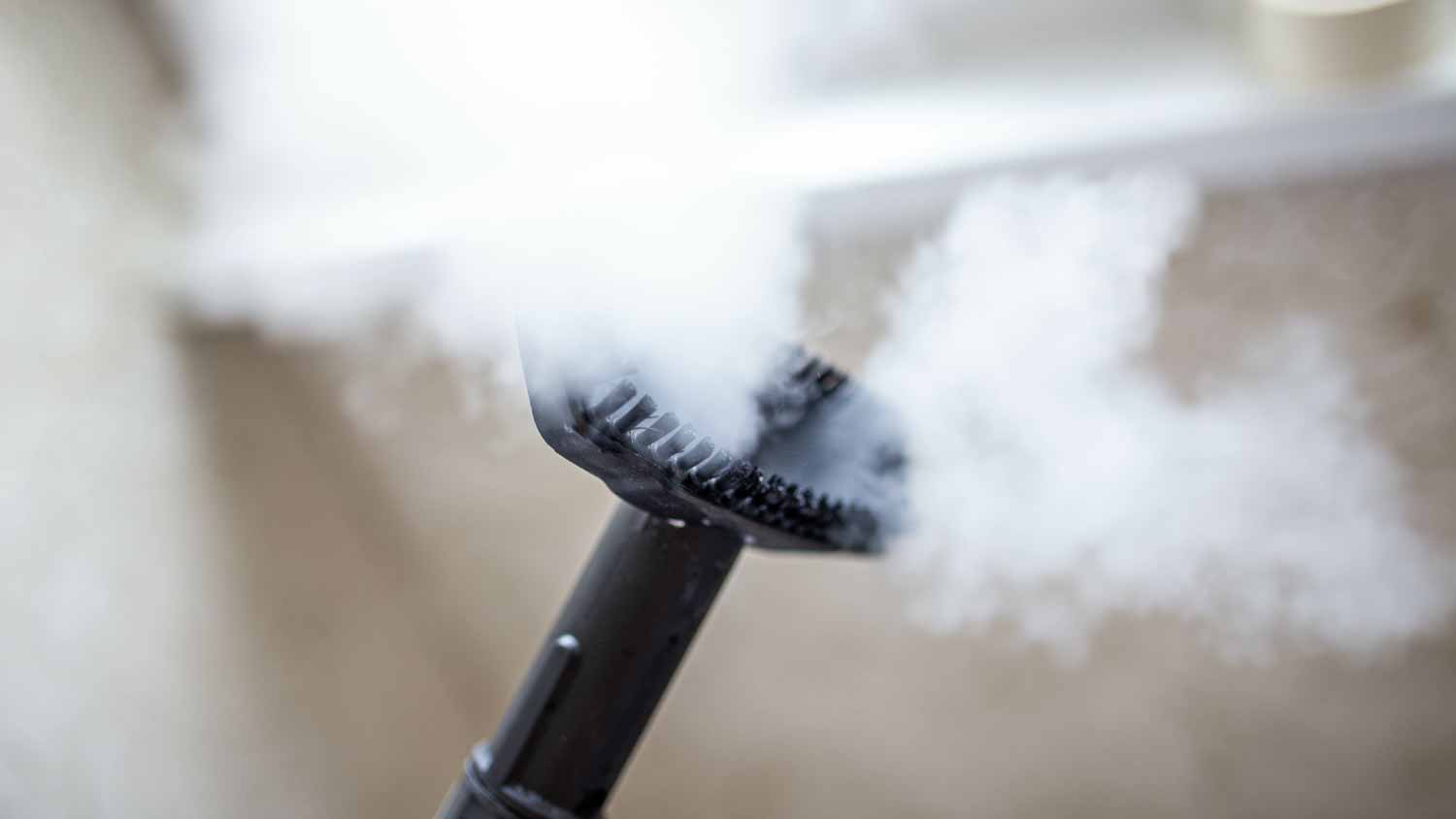
Steam cleaning makes your floors feel spotless without harsh chemicals. However, certain areas benefit from steam more than others. Here’s what you can clean with a steam cleaner.