



Top-rated masons.

Best masons near Milbank, SD

Enter your zip and get matched with up to 5 pros

Need a pro for your masonry work project in Milbank, SD?

Select your specific project to find the pro for you.

Top-Rated Masons in Milbank - Updated Nov 2026

Avatar for Groundworks
Groundworks
4.2(
924
)
Concrete Foundation - RaiseConcrete Foundation - RepairFoundation, Basement or Crawlspace - Waterproofing / Encapsulation+2 more

Serving Milbank, SD and surrounding areas

Approved (Corporate)

In business since 1999

Free estimates

Small jobs welcome

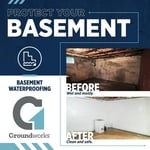
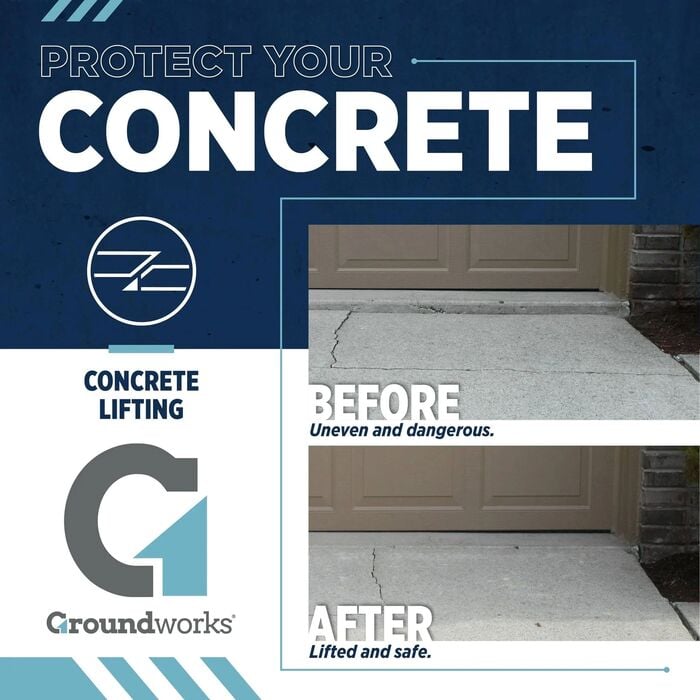
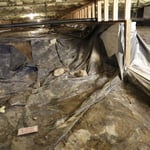
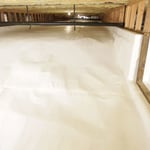
Groundworks is the North America's leading and fastest-growing foundation repair and water management solutions provider. Groundworks is a vertically integrated company with its own manufacturing operations and a world-class software solution, allowing us to serve our customers more effectively. From the first phone call to the annual maintenance offered, our customers have peace of mind knowing we're there with one mission to repair, protect and improve their home. For state licenses visit Groundworks.com/licensing

Basement
Basement
Basement
Concrete
Concrete

+9

18 neighbors recently requested a quote
Recommended by90%of homeowners

Showing 1-10 of 33
Masonry FAQs, answered by experts

The white stains you see on your bricks are likely efflorescence, which is salt and lime buildup. To remove efflorescence stains, simply brush them away with a stiff brush. For larger, more stubborn stains, scrub the stains with a water-detergent solution.

The difference between river rock and landscaping rocks is size, smoothness, and use. River rocks are smooth and flat, as if polished by water, and come in diameters between 1 and 8 inches. Landscape rock can vary in size from small pea gravel installations to car-sized boulders. However, landscaping and river rocks are interchangeable in many situations. River rock is best for pathways, walkways, garden bed mulch, water features, and planting accents, while small landscape rocks can serve as a walkway base, gravel playground areas, and filler between pavers.

A traditional German schmear uses mortar, making it unsuitable for adherence to painted surfaces. Professionals recommend removing any existing paint before applying mortar. However, you can rough up the painted surface and clean it to test if the mortar will stick. Remember that the underlying paint's texture and color may affect the schmear's final appearance—so starting with a bare brick wall will ensure the ideal finish.

No, you don’t need to soak the brick before cutting it by hand. In fact, cutting a wet brick can make it harder to see your score lines and may cause the chisel to slip. Soaking is sometimes used with power tools to reduce dust, but for hand-cutting, it’s best to work with dry bricks for better control and visibility.

Drilling into brick doesn’t have to be a dangerous project if you prep and approach it with the right tools and techniques, but it does come with risks if it’s not done correctly. It can lead to significant issues, such as damaging the brick or affecting the wall’s structural integrity. Applying too much force can crack or chip the brick, while incorrect placement might compromise its load-bearing strength. 

The Milbank, SD homeowners’ guide to masonry services

From average costs to expert advice, get all the answers you need to get your job done.