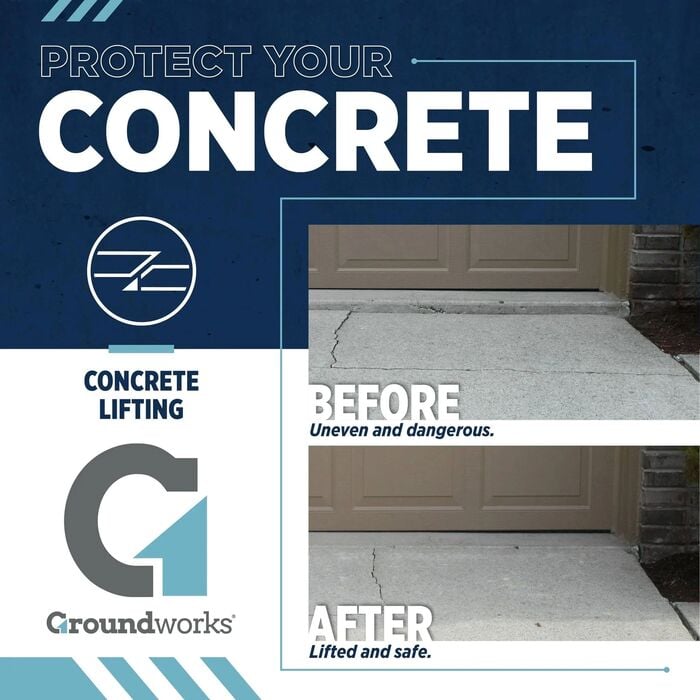
Groundworks is the North America's leading and fastest-growing foundation repair and water management solutions provider. Groundworks is a vertically integrated company with its own manufacturing operations and a world-class software solution, allowing us to serve our customers more effectively. From the first phone call to the annual maintenance offered, our customers have peace of mind knowing we're there with one mission to repair, protect and improve their home. For state licenses visit Groundworks.com/licensing
Robinson Masonry, LLC, is your leading source for all things brick and stone! Give us a call today! We have been proudly offering the highest quality masonry work in the area for over three years, and would love to come out to your home and take on your next project.
"I only use James when I need some work done to my house. He responds fast, gets the work done quicker than just about anyone else I've ever used and seems very concerned with leaving his customers happy."
"I am very satisfied with the work. They were very accommodating with some changes and given the opportunity to re-negotiate the quote they stayed with the original. There were no surprise charges at the end of the job. The job required digging for the foundation wall and they replaced/removed the dirt and left the yard ready for seeding as indicated in the quote. I would hire them again."
Cobblestone can be made from many different types of stones but the most common ones, by far, are granite, basalt, limestone, and sandstone. If you are laying a brick paver patio or other such project, the medium is different. It’s rare, but cobblestone can also be made from marble, slate, jasper, and other types of rock. Technically, you can make cobblestone from almost any type of rock, but if it is weather-resistant and stands the test of time is another question entirely.
Stone can last anywhere from 15 to 100 years before it needs to be restored. You should clean your stone flooring or countertops regularly using cleaners designed for stone surfaces. Stay on top of vacuuming to prevent scratches from deteriorating stone faster, deep clean your stone surfaces using a pH-neutral cleaning solution at least once a year, and reseal the stone every one to five years, depending on foot traffic or usage.
Use fire bricks for a brick pizza oven. These bricks are typically used for fireplaces and chimneys as they can withstand high temperatures from heat sources. If you attempt to use any other kind of bricks, it’s likely that this material will crack from such high heat exposure in the best case—and potentially explode and cause serious harm in the worst case.
Yes, you can paint stone on the exterior of a house. It’s important to properly prep the stone by cleaning off dirt and debris. You’ll want to apply at least two coats of paint to get the most even and complete coverage. Any pinholes or missed spots, however small, can allow moisture to get into the masonry and potentially cause the paint to blister and peel from the stone.
Stone veneer siding is approximately four times less expensive than stone because it's made of concrete and aggregates instead of natural stone. But veneer looks like real stone, is easier to install, and acts as a great, durable siding option.
The Sisseton, SD homeowners’ guide to masonry services
From average costs to expert advice, get all the answers you need to get your job done.
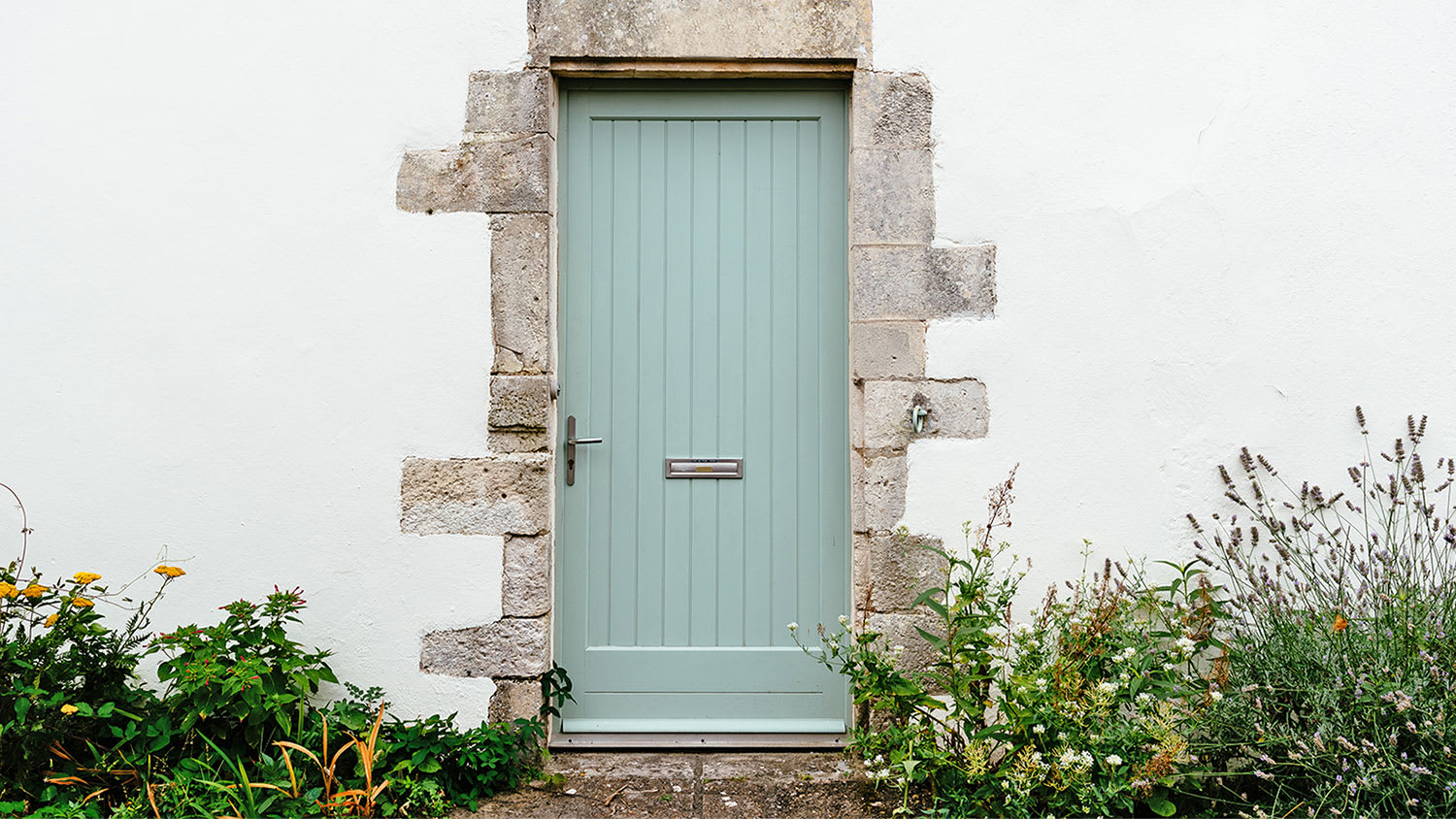
Door or window lintel replacement costs $400 on average, but there are ways you can save. On the other hand, complicated work will increase costs considerably.
Need to repoint brick in your home to make your home look fresh and new? Use this guide to repointing brick cost to price out your project before starting.
This guide features information on the costs to repair a brick wall, whether or not you need a brick mason to complete spalling, tuckpointing, or a full restoration.
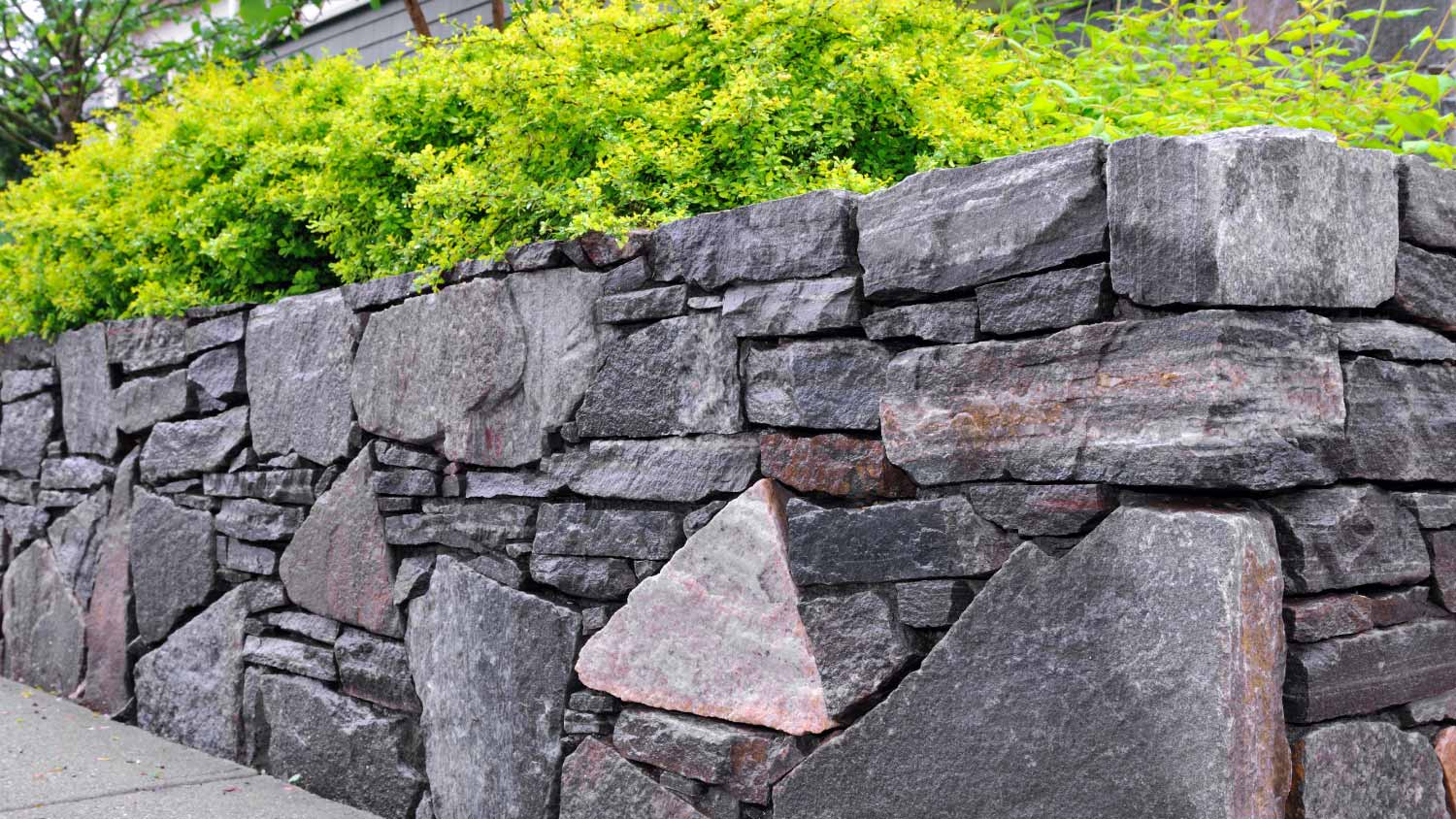
Discover the wide variety of masonry materials for your next home upgrade project. Our guide covers the different types of materials to choose from and more.
When it comes to masonry versus concrete, it can be easy to confuse the two. Use this guide to learn about the differences in appearance, strength, and more.