To get rid of a sewer smell in your crawl space, you’ll have to find the source of the problem. If it has to do with your sewer lines, then repairing the line will help. You may need to make other repairs, like fixing your sump pump or encapsulating your crawl space to reduce moisture. After you make the repair, depending on the issue, you may still need to clean out your crawl space to get rid of the stink.
There are several homemade solutions for clearing a clogged sink that don’t involve pouring harsh chemicals down your drain. Start by pouring hot (but not boiling) water down the drain. This can help dissolve and flush away grease and gunk. A splash of dish soap down the drain can also cut through fat and make it easier to clear the drain. For a more stubborn blockage, grab a plunger and give it a few firm pumps to dislodge the clog.
While homeowners connected to a municipal sewer line still have to keep up with plumbing maintenance, the downside to a septic system is that all the maintenance falls on the homeowners. Not calling in a pro to pump the tank every few years or accidentally flushing or draining the wrong types of materials can quickly cause clogs, which can back up into drains around the home.
Recognizing signs of a failing septic system is crucial to prevent costly damage and health hazards. Foul odors in and around your home, slow drainage in sinks and toilets, or gurgling noises in plumbing fixtures can indicate problems with drainage. Lush, green patches of grass near the drain field or wastewater pooling on the ground are alarming signs that may indicate a leak in the system. If you notice any of these symptoms, it's vital to address them promptly to avoid more extensive and expensive issues.
To prevent septic tank problems, save on repair costs, and keep your home running smoothly, it's essential to perform regular maintenance. Have your septic system inspected by a professional every one to three years, or annually if possible, to spot potential issues before they develop. You should also have your tank pumped every three to five years, or more frequently if recommended by a professional based on your household's usage. Additionally, be mindful of what goes into your system. Avoid flushing items like paper towels, wet wipes, and feminine hygiene products. Do not dispose of other inappropriate substances, and try to avoid excessive water usage at a single time.
The Mclaughlin, SD homeowners’ guide to aquarium services
From average costs to expert advice, get all the answers you need to get your job done.
Discover mosquito control service cost estimates, including average prices, key cost factors, and tips to save on professional mosquito treatments for your home.
If you’re moving, you need to consider distance, weight, packing, and more. Our guide provides the average cost to move a 3-bedroom house long distance.
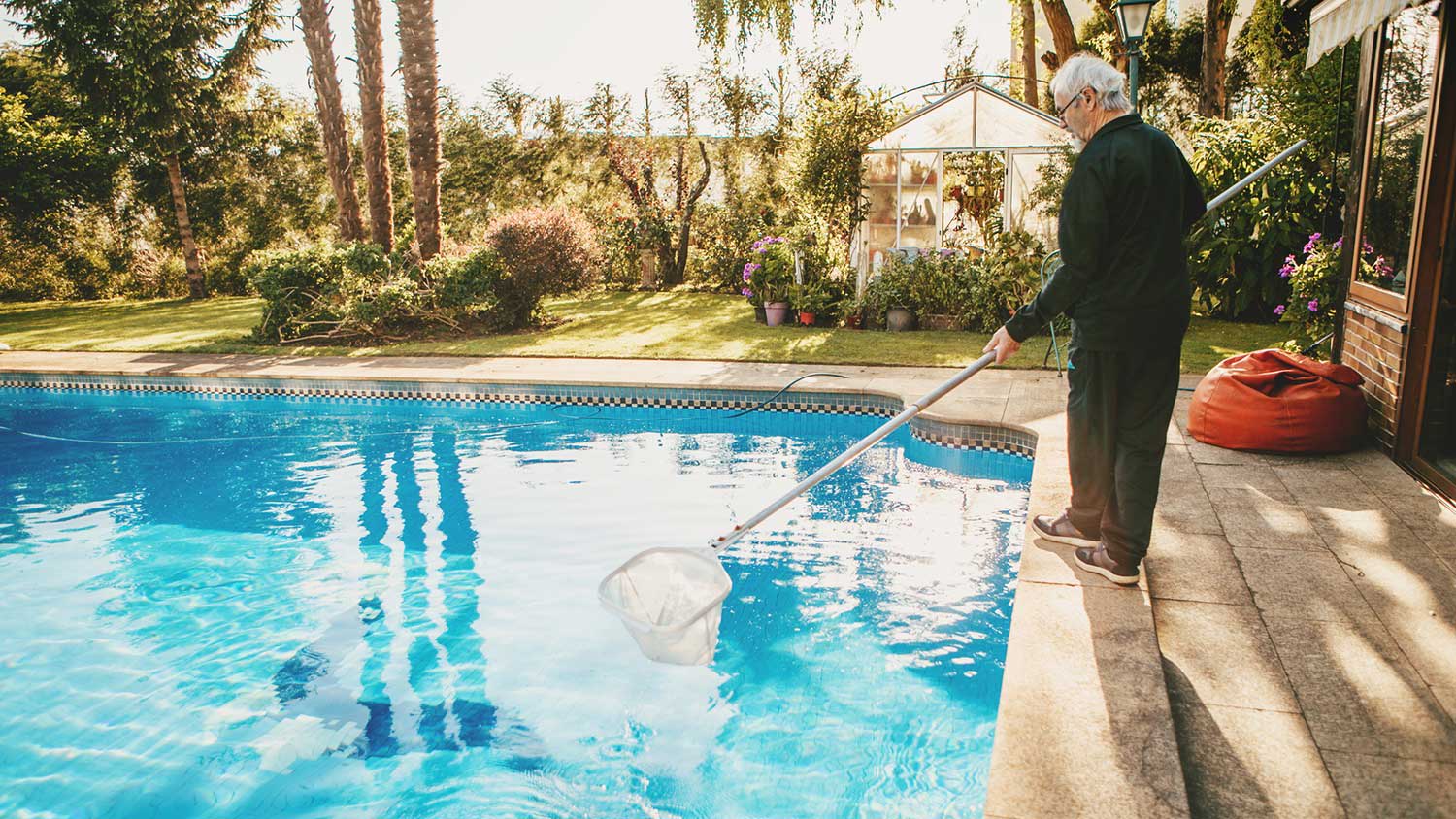
If you live in an area without very cold winters but tempted to close your pool during the cooler months, read on. We dive into the many benefits of winter service.
Learn about home items that are nearly impossible to move without movers, either because they are awkwardly shaped, too heavy, or require special equipment.
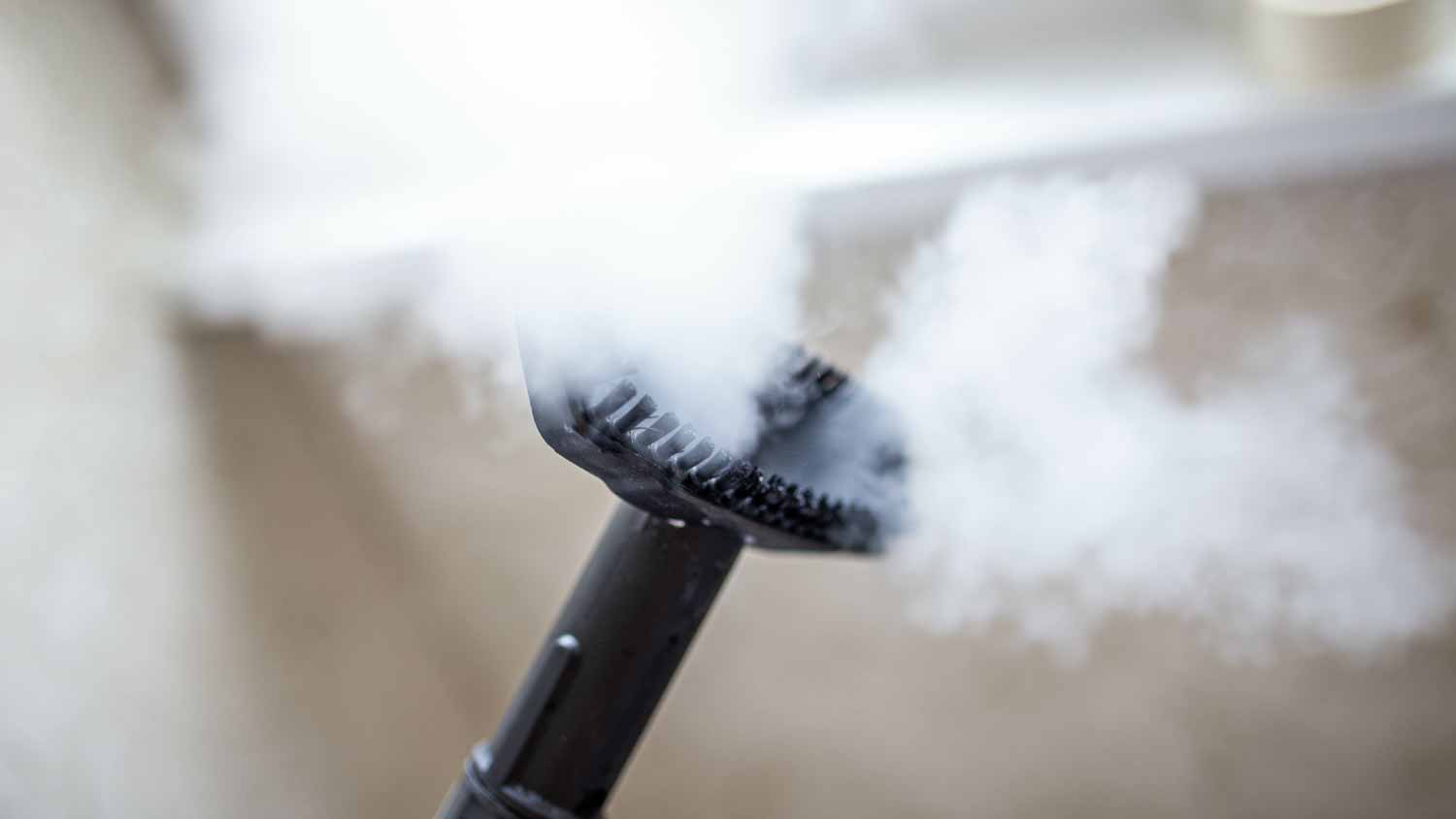
Steam cleaning makes your floors feel spotless without harsh chemicals. However, certain areas benefit from steam more than others. Here’s what you can clean with a steam cleaner.