"Mr. Ferrell first connected his computer to my computer via internet and worked for quite a few hours trying to determine what exactly was wrong. The next day he continued working from his computer for several hours. He determined he would have to have my desktop tower to complete the repair. He and my son met in Huntsville to exchange the tower. He then cleaned up a lot of what was wrong and reloaded Windows 10. He deleted the D: drive which had way too much memory allotted to it. The tower was returned and I plugged it all back together and it is working better than it did when I first purchased it. I would use him again and I recommend him highly to anyone needing computer updating and/or repair. His work is warrantied and he is very personable, knowledgeable, and helpful."
I'm a locally owned and operated company. I value honesty and integrity in all aspects of our business. I offer a variety of Home Improvement services that are customizable to each individual project. We specialize in handyman/carpentry work and a variety of related service and repair projects. I pride myself on the quality of my work as well as my commitment to outstanding results. I look forward to building lasting relationships with my clients and guarantee your satisfaction!
Yes, a variety of screen materials cut out glare from the sun. Solar screen material can block up to 90% of the glare and heat from the sun, saving on cooling costs. It also offers privacy yet unlimited outward visibility. The cost depends on the size of the screen roll, but solar screens cost between $25 and $90 per roll.
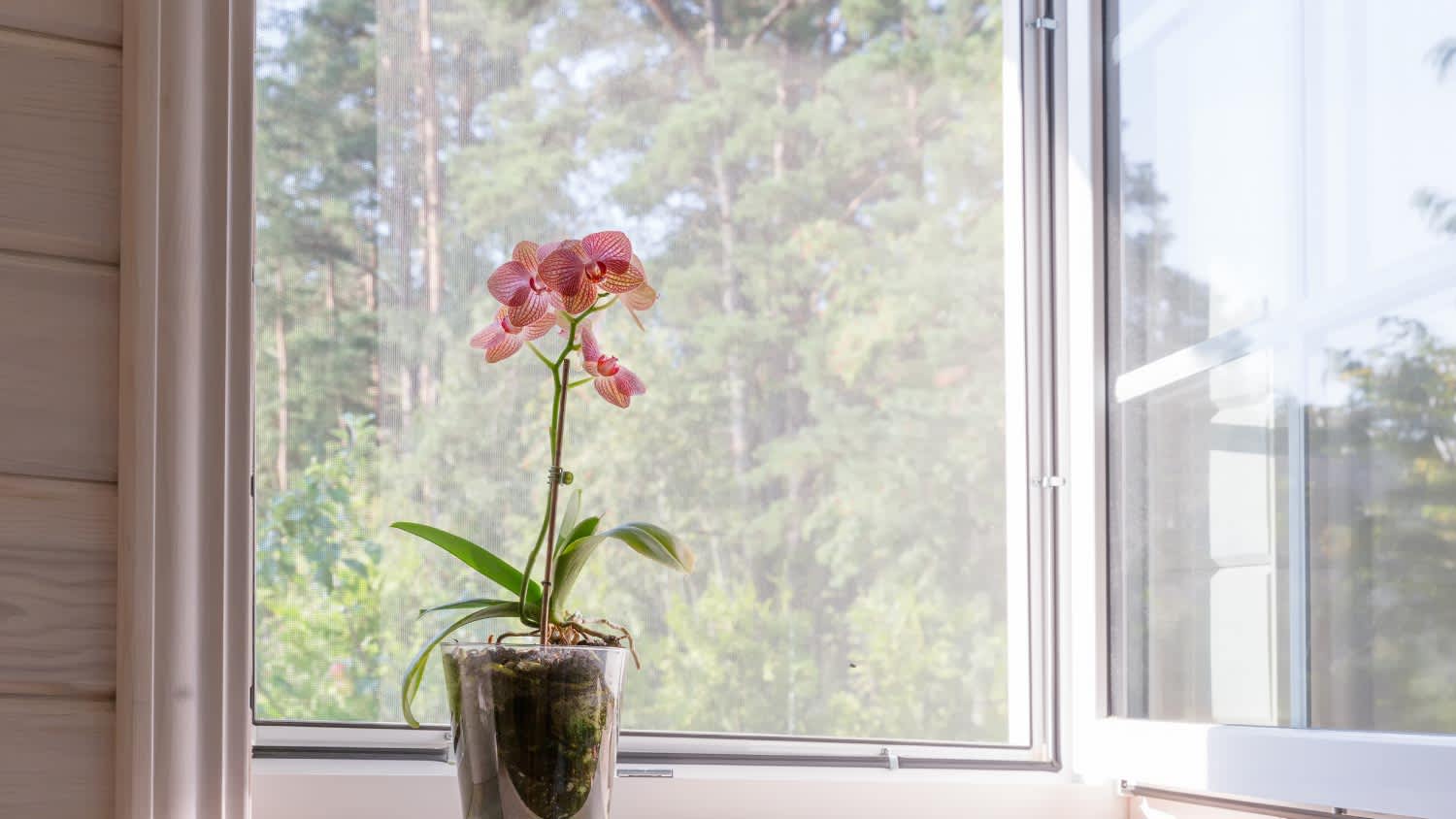
Yes, you can absolutely put a screen on a casement window, and most casement windows come with screens. Unlike with a double-hung, single-hung, or sliding window, the screen in a casement window sits on the inside of the window so that the sash can freely open outward. Screens are especially important for casement windows because the large window opening the window provides leaves your home more open to bugs and outside debris than most other types of operable windows.
The steps to replace a retractable screen can vary, but these are the general steps: First, remove the screen cover to expose the screen mechanism and remove the clip that holds the screen in place. Next, depress the end of the screen mechanism so it releases from the door frame. Take your new screen and fit one end into the frame. You may need to rotate the mechanism to engage the spring before inserting the other end into the frame. Finally, pull the screen down the length of the door’s opening and lock it in place with the clip.
While the telltale signs can vary for different types of screen doors, it may be time to learn how to install a screen door if you're noticing rotting, warping, or splintering accompanying the sagging. If you’re unsure whether to replace a sagging screen door, consult a local screen door pro for an inspection and final decision.
It is generally recommended to remove window screens for the winter, especially in climates with heavy snow, freezing rain, or frigid temperatures. Removing them helps prevent damage to the screen mesh and frames that can be caused by ice and moisture buildup between the screen and the window. Taking out the screens also allows more natural light and warmth into your home during shorter winter days and makes it easier to clean your windows thoroughly. In warmer climates where harsh weather is not a concern, the decision is more about personal preference; some homeowners prefer the clearer view, while others leave them in for convenience.
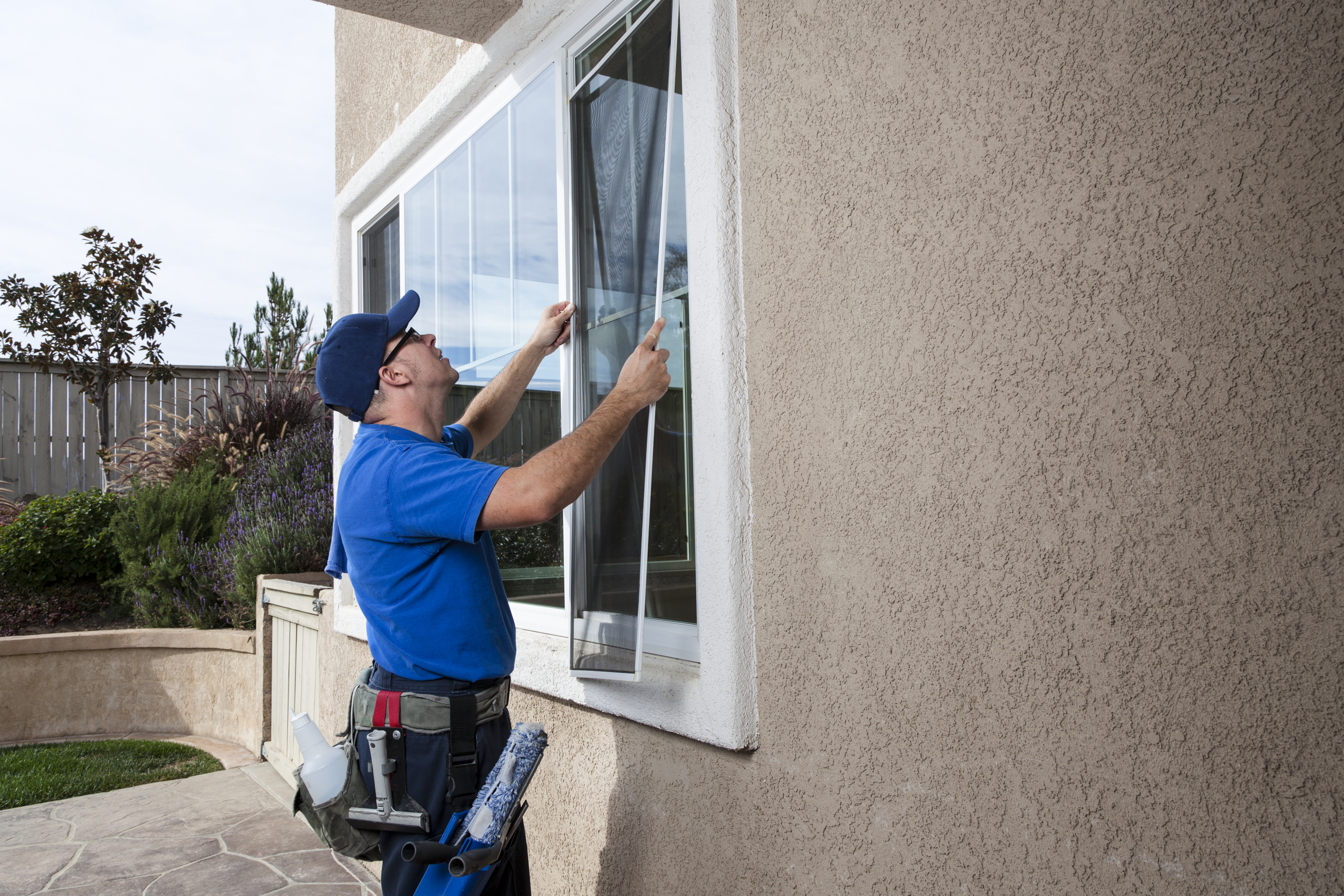
The Martin, SD homeowners’ guide to window screen repair services
From average costs to expert advice, get all the answers you need to get your job done.
You’re probably already using them, but when it comes down to it, do you need screens on your windows? Learn about the pros and cons of using window screens.
Thinking about window screen installation for the spring? Learn about mesh materials, costs to expect, and how to hire the right local pro for the job.