"Traven and Rory were excellent. Very polite, sociable and conscientious. They performed gutter repair and cleaning. Owners of this business are very customer centric."
If not properly maintained, an underground downspout may damage your home's foundation. A clogged downspout can back up, causing water to pool around the base of your home and seep into the foundation. Regular inspections and maintenance keep your downspout in good working order, preventing damage and protecting your home.
The kind of gutter guards you have will affect how often you need to clean them. The more basic type of gutter screen requires cleaning once or twice a year. With a micromesh screen, you may be able to extend the time between cleanings to every two years or so.
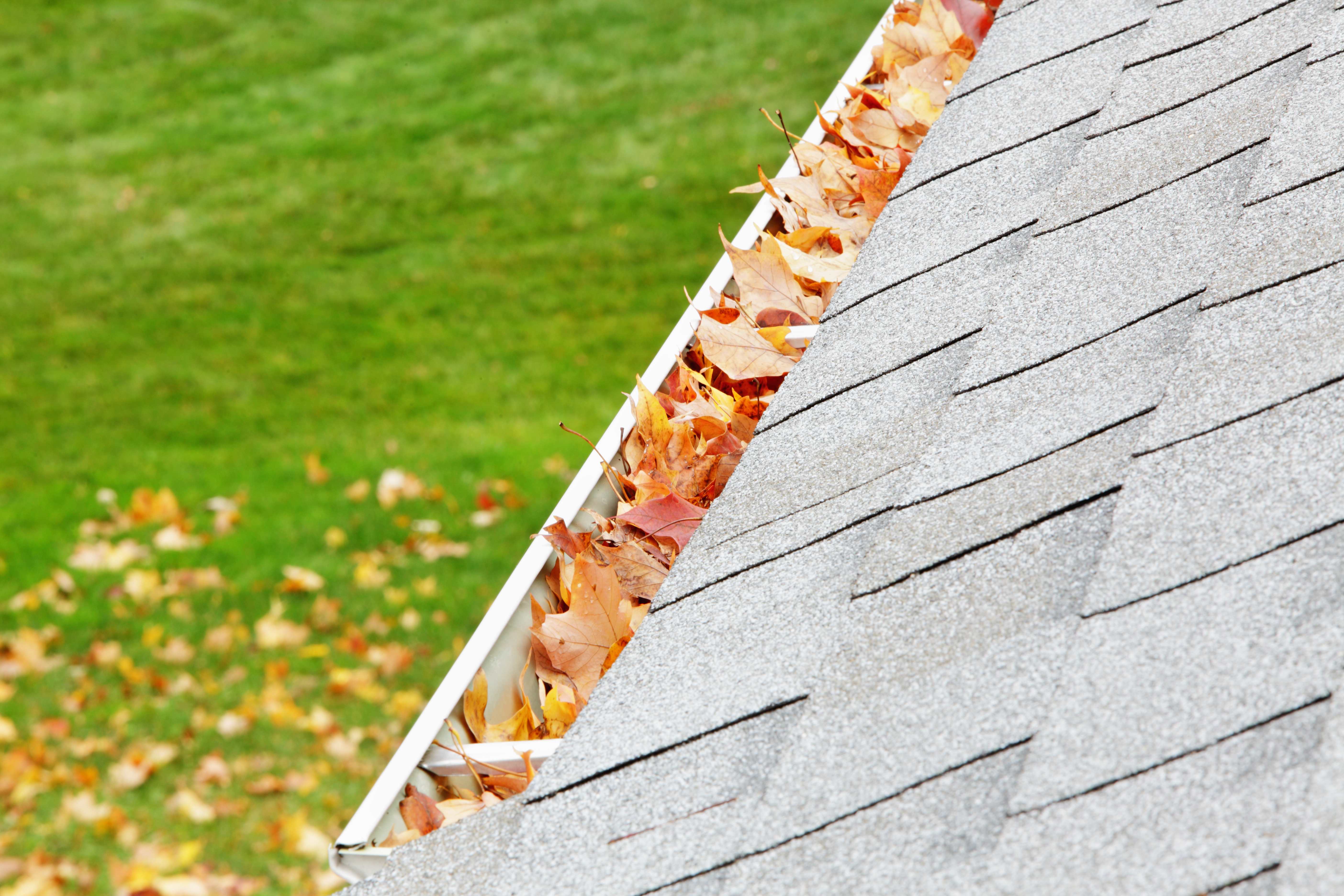
However, if you have trees near your roof, you’ll need to clean your gutters more frequently, especially if you have chicken-wire or colander-type gutter guards. If you have pine trees near your roof, you may even need to clean your gutters quarterly, as tiny pine needles can get through any type of gutter guard.
Regular inspections, occasional rinsing, and removing large debris ensure long-term functionality.
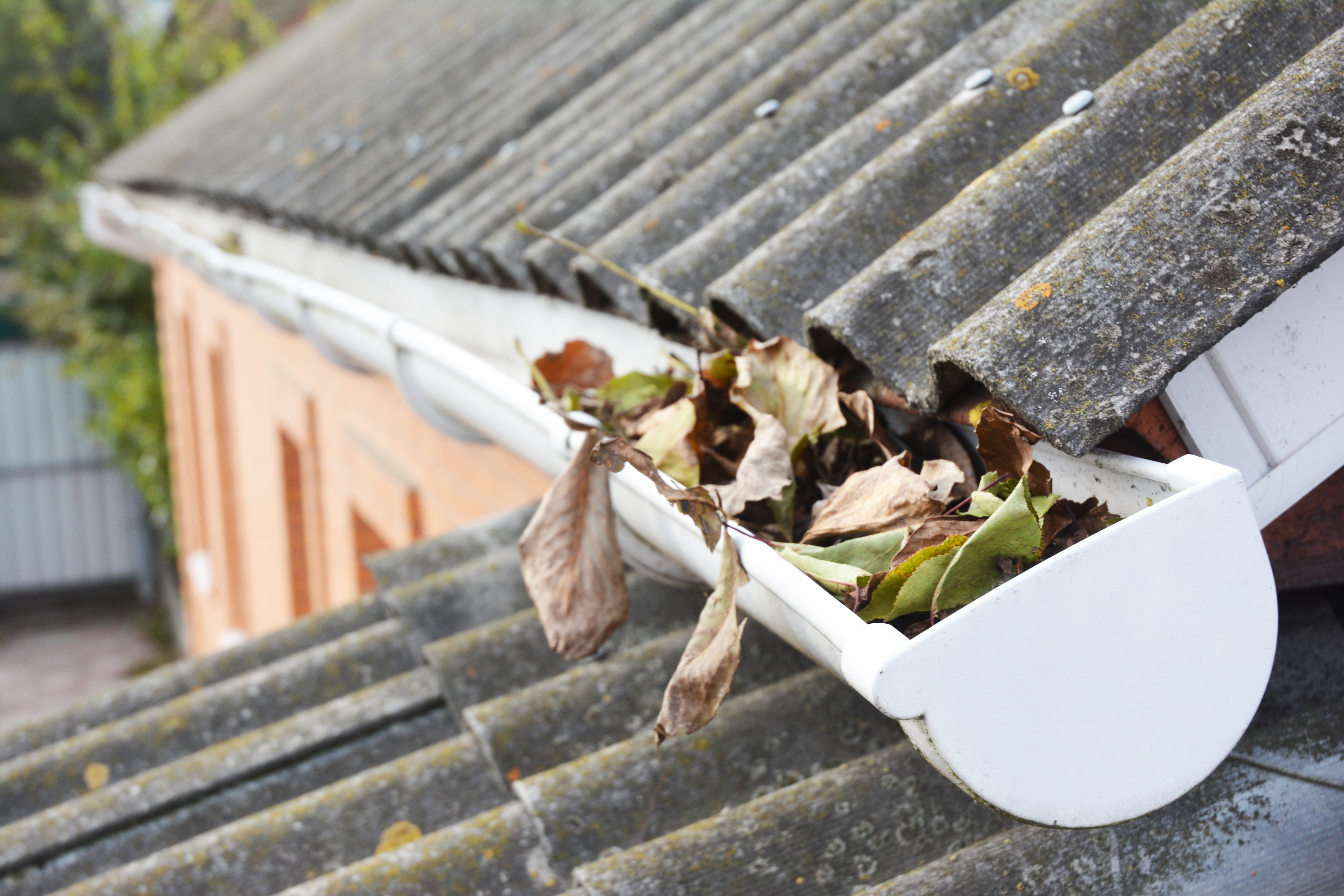
Installing a leaf protection system that keeps leaves and pine needles out of your gutter downspout is the best way to prevent clogs. Additionally, you may want to remove any trees or branches that are hanging over your downspouts to prevent leaves and branches from making their way into your gutter system. Of course, routine downspout cleaning and inspection can also help you stay ahead of clogs that create water damage at your home.
Gutter cleaning costs about $170 on average, ranging from about $75 to $400. Cost factors include the type, length, and height of your gutters. A multiple-story home with gutters high off the ground and accessible only by ladder or working on a steep roof will cost more than a single-story house with a relatively flat roof.
The Martin, SD homeowners’ guide to gutter cleaning services
From average costs to expert advice, get all the answers you need to get your job done.
This guide to gutter cleaning costs provides estimates for cleaning different types of gutters, tips for saving money on gutter cleaning, and answers to how to clean gutters.
This guide on how to clean the outside of gutters offers tips for how to remove debris, grime, black spots, and streaks from gutters to get them to last as long as possible.