"United Air Temp was able to procure a replacement furnace controller board in a couple of days and Zachary was out within 4 days of the initial visit. The furnace now works very well."
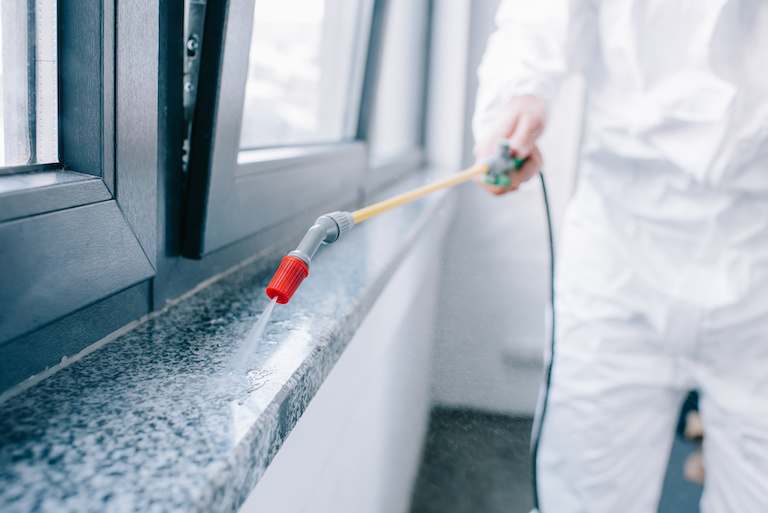
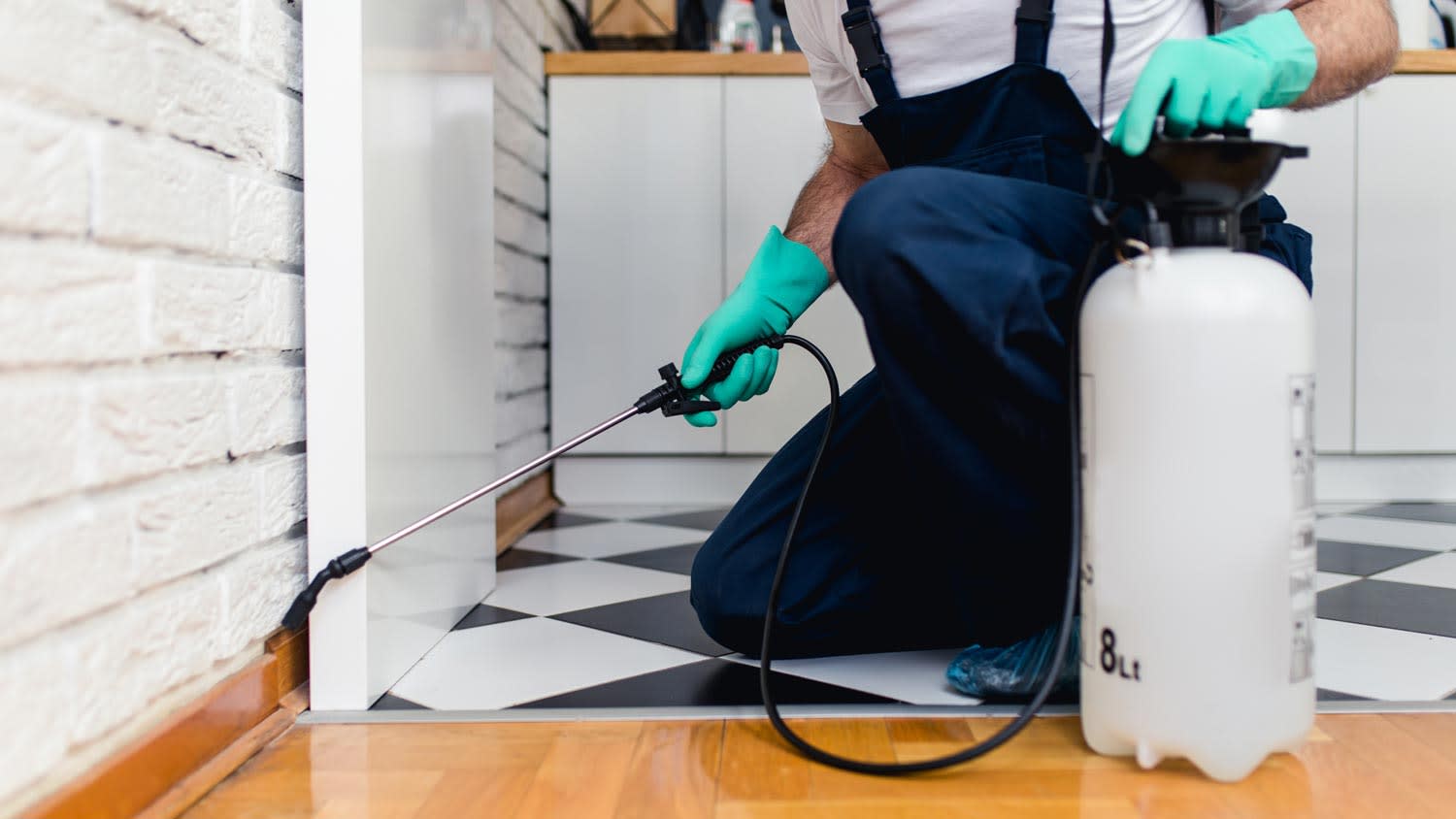
You will need to discuss with your pest control expert to know when and what to clean after the treatment. Sometimes, you may have to wait a couple of weeks for deep cleaning to avoid wiping up the treatment they applied.
However, you’ll want to wipe down any surfaces you use for food prep and eating. Before the treatment, you’ll also want to make sure that items such as pet dishes and children's toys won’t be exposed to the chemicals.
Termites can start causing damage within just a few weeks of settling in, and while the signs might not show up right away, they can hollow out drywall and structural wood within a few months. If left untreated for a year or more, the damage can be extensive and expensive.
Spiders are not typically attracted to bedding as a primary source of food or shelter, but they sometimes inadvertently end up there. Spiders can hitch a ride on your clothing, belongings, or through open windows and doors. The underside of a bed, especially if it's near a wall or corner, can provide such a sheltered spot where they can hide and build webs. Dust and clutter under your bed can create ideal hiding places as well. If your room has other insects like flies or mosquitoes, spiders may be drawn to the area in search of prey.
No single deterrent will work 100 percent of the time, so we suggest combining deterrents to ensure your seed has the best possible chance to grow. Using bird netting over your seed, with physical deterrents like mylar tape coupled with hanging bird feeders at the edges of your growing area—and removing any bird’s nests, if possible—will give your seeds the best possible chance for success.
While some pets, especially dogs, may chase rabbits away due to their natural hunting instincts, relying solely on pets to deter rabbits is not foolproof. Some rabbits can become accustomed to the presence of pets over time, and not all pets possess the same level of hunting inclination. What’s more, rabbits can potentially carry serious diseases like Tularemia and E. cuniculi, which they could pass to your pets.
The Lemmon, SD homeowners’ guide to pest control services
From average costs to expert advice, get all the answers you need to get your job done.