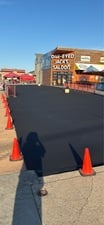
Wild West creations LLC is a locally owned asphalt paving company in the Black hills Northeast Wyoming we provide new asphalt driveways roads Parking Lot commercial residential also offer patching repairs, striping ceiling, skid steer services hauling . We can provide any and all aspects of asphalt work. Give Jason a call today and set up an appointment to look at your next asphalt project.
Driveway Sealcoating questions, answered by experts
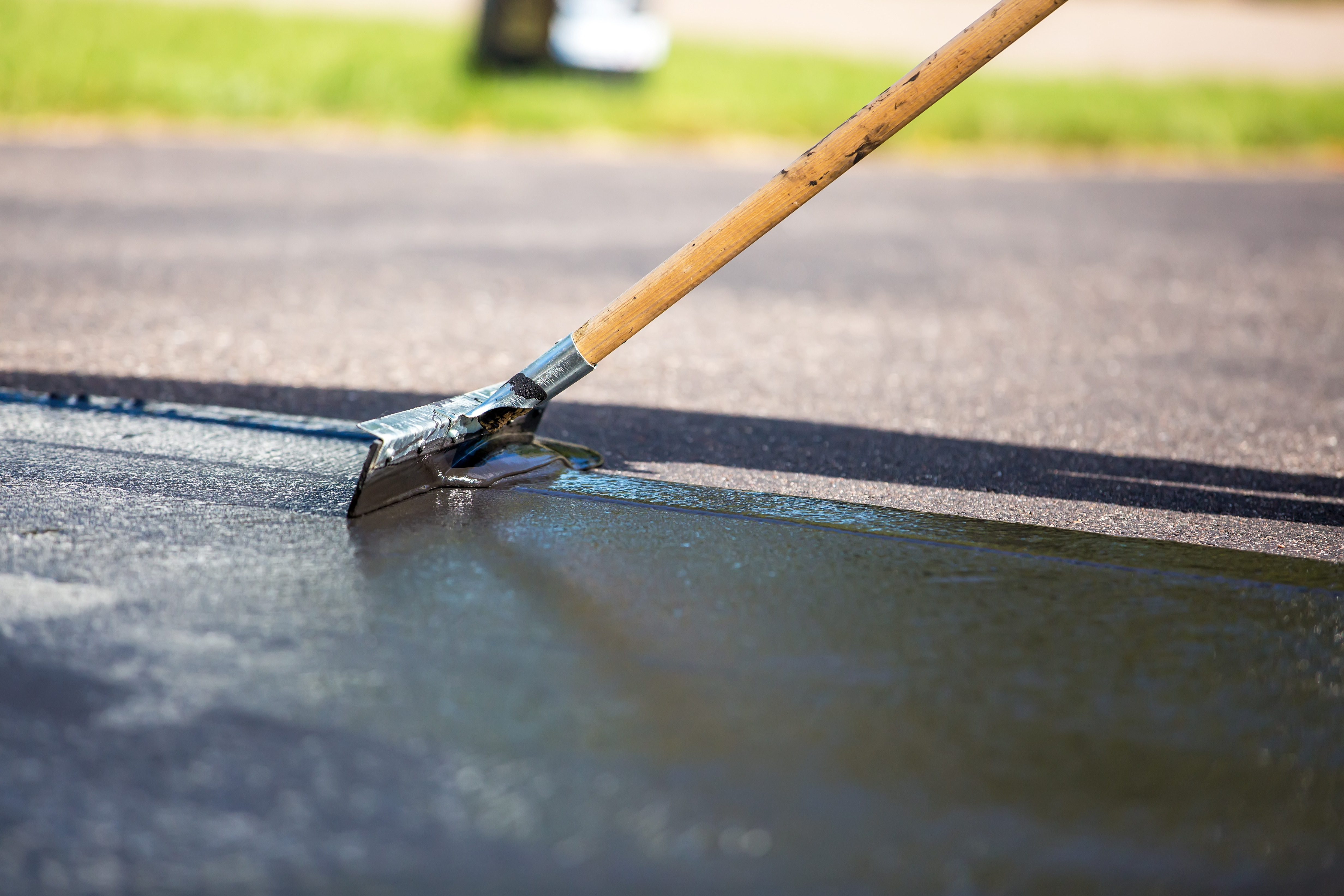
Most sealing projects take 1-2 days, including drying time before allowing traffic.
Since freeze-thaw cycles throughout the winter months can damage your driveway, it's best to winterize your driveway in the late fall before the first freeze hits. Doing so will help to protect your driveway from damage throughout the winter season. Plus, drier, warmer weather makes applying and curing sealant much easier.
Yes, most professional repair services include the application of sealants for weatherproofing or waterproofing. This process helps protect the repaired area from moisture, weather damage, and future wear, which can improve durability and energy efficiency. It is always best to confirm with your contractor or service provider if sealing is included in their repair process.
Costs depend on the extent of damage, material costs, labor, and whether resurfacing is needed.
What causes driveways to crack can vary by driveway material. Sealcoating with the right formula creates a protective "shell" over a driveway. Resealing a driveway on schedule helps to preserve its lifespan substantially by keeping it protected against damage from UV rays, motor oil, chemicals, hail, rain, snow, and more. If you don't reseal your driveway, this will lead to brittleness, cracking, and potholes that can eventually cause your driveway to fall apart.
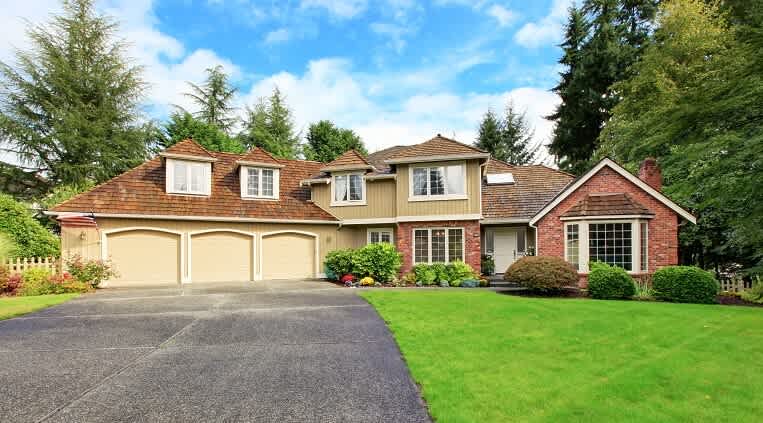
The Kyle, SD homeowners’ guide to driveway sealcoating
From average costs to expert advice, get all the answers you need to get your job done.
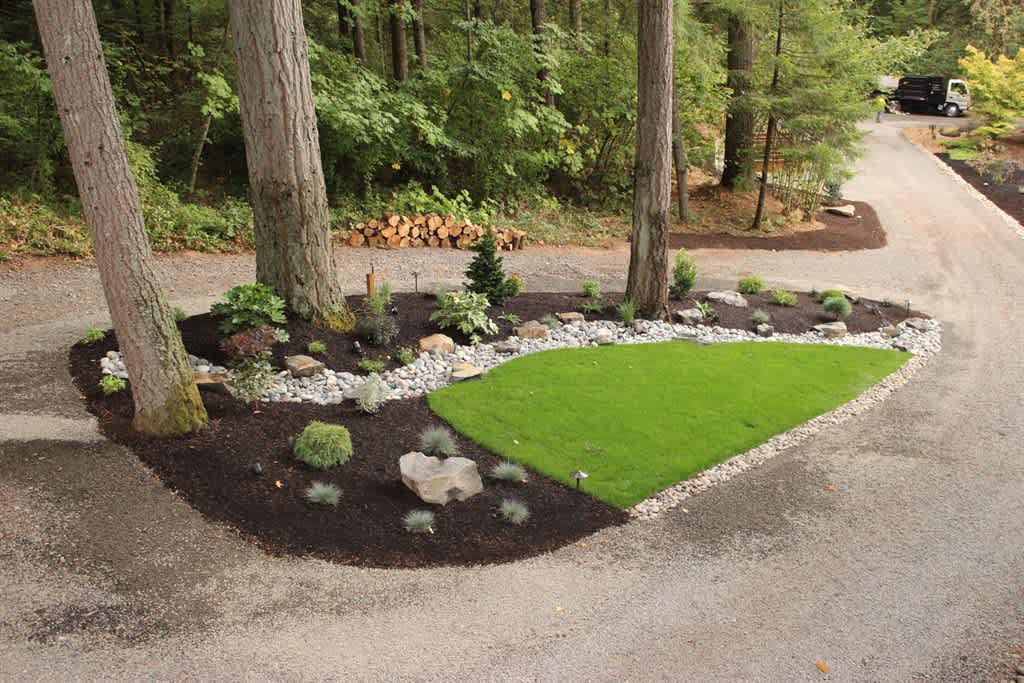
The cost of a tar and chip driveway falls between gravel and asphalt. Is this unique process the happy medium you've been looking for? Let's take a look.
The average driveway coating takes between 30 minutes and eight hours to dry, but weather and sealant type can influence the dry time. Read on to learn more.