





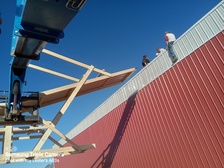
"Mr. Wise is a well-educated individual. He was able to see ahead of what is to be built or repaired, he is also very knowledgeable, and knows how to order the correct parts!"
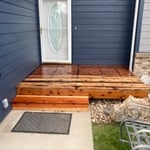
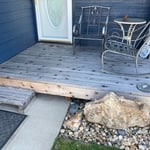
"Micah is an excellent on task contractor, always on time and productive. He's very quick at resolving any possible material or project changes. We've found Micah to be very reliable, trustworthy and honest to work with. He's been a real pleasure in a time when you're lucky to even get a phone call back from a contractor. Would most certainly hire him again!"
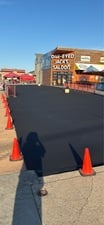
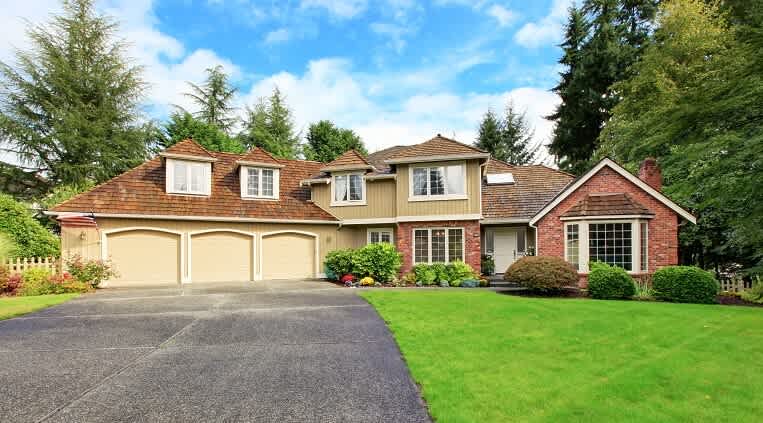
Wild West creations LLC is a locally owned asphalt paving company in the Black hills Northeast Wyoming we provide new asphalt driveways roads Parking Lot commercial residential also offer patching repairs, striping ceiling, skid steer services hauling . We can provide any and all aspects of asphalt work. Give Jason a call today and set up an appointment to look at your next asphalt project.
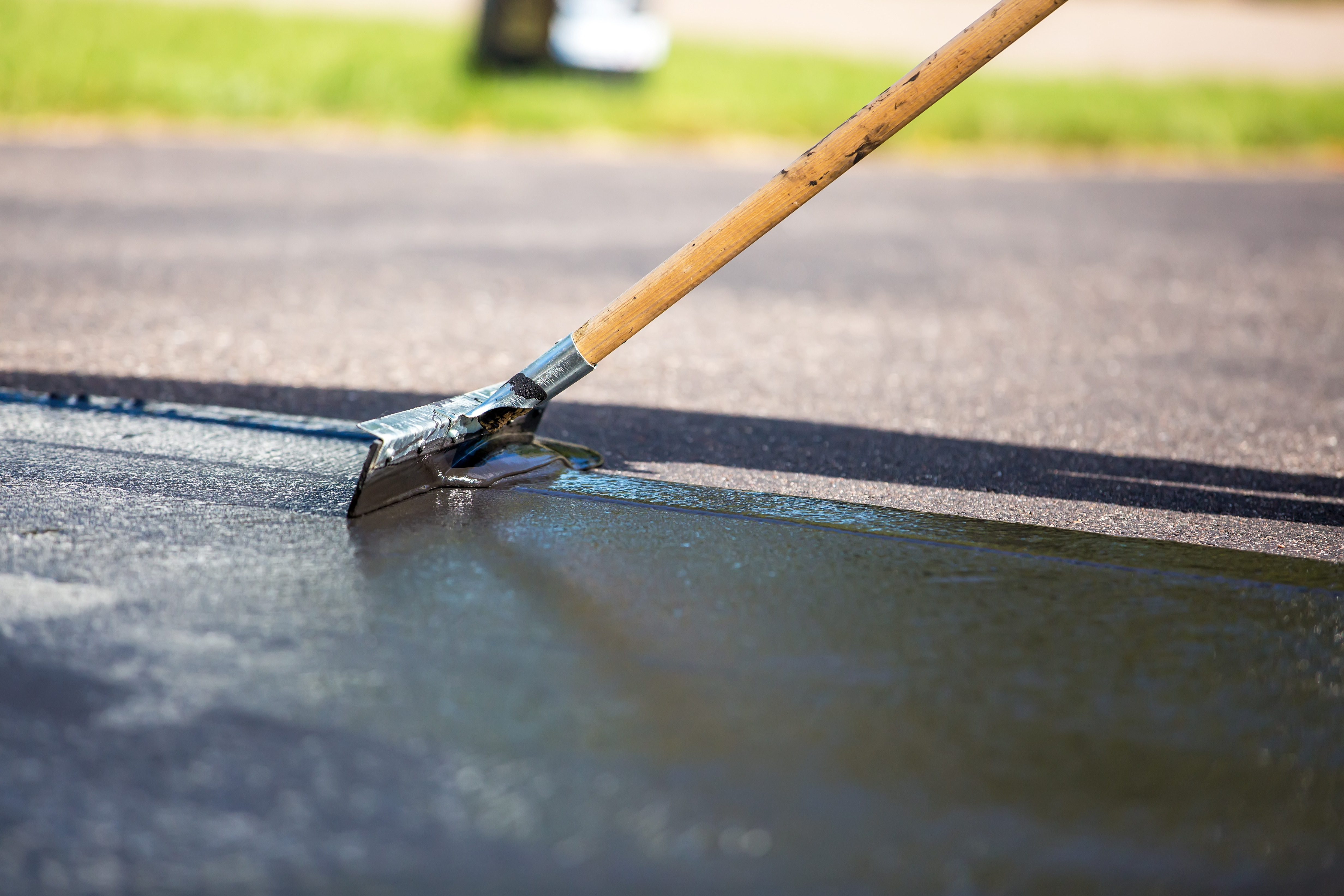
Driveway Sealcoating questions, answered by experts
New asphalt goes through two stages: drying and curing. Drying typically takes 24 to 72 hours, after which the surface is solid enough for light use like walking or careful driving. While you may be able to park on it after 72 hours, the surface is still soft and should be treated gently. Full curing is a much longer process, taking anywhere from 30 days to a full year for the asphalt to reach maximum strength. During this extended curing period, the asphalt is susceptible to damage from heavy vehicles, sharp objects, and high temperatures. Factors like weather, the specific asphalt mix, and application thickness all influence drying and curing times. For the most accurate timeline and to ensure the longevity of your new asphalt, it is always best to consult with your installation contractor for their specific recommendations.
A properly applied asphalt driveway sealer, or sealcoat, should last between one and five years. The industry standard is to reseal every two to three years for optimal protection. If you live in a climate with extreme weather, such as heavy rainfall or freezing temperatures, you may need to reseal your driveway more frequently, around every two years. Signs that your driveway needs a new coat of sealant include the appearance of small cracks or uneven drying after rain.
There are more pros than cons, but there are a few disadvantages to sealing your driveway to be aware of. Sealant can make the surface slippery, which can be a hazard, especially when the driveway gets wet. Look for sealants with abrasive additives to help counteract this. You’ll also need to remember to reapply your sealant every two years and budget for the expense that comes with it.
You don't technically need to seal your driveway after pressure washing, but doing so will help keep your driveway clean for longer. The best driveway sealer depends on the type of driveway you have. To seal asphalt, consider an asphalt emulsion sealer, fast-drying sealer, or latex acrylic sealer. Concrete driveways commonly use acrylic sealers or penetrating sealers.
Professionals provide high-quality sealants and applications, extending pavement life and enhancing appearance.
The Keystone, SD homeowners’ guide to driveway sealcoating
From average costs to expert advice, get all the answers you need to get your job done.
Driveway extensions can provide valuable parking and recreation space and add to the value of your home on resale. Find out how much driveway extensions cost.
Learn how to find a top-rated asphalt driveway sealing pro by checking credentials and asking the right questions to ensure your pavement is protected.