Using less toilet paper is the easiest way to prevent future clogs. Also, avoid flushing sanitary products, thick paper towels, or hair down the toilet. If you’ve been using a brick in the tank to reduce the water used to flush the toilet, take it out immediately. Bricks will eventually fall apart and clog your toilet drain. Keeping your toilet lid closed also helps avoid future clogs.
You should never pour antifreeze down the drain or outside on the ground. Because it's highly toxic, antifreeze can still impact people and animals long after it drains. Antifreeze can contaminate water and sewage systems, and any that gets into storm drains and water supplies can attract animals and harm those that ingest it.
You maintain a cesspool by pumping the tank every three to five years to prevent clogging. You should also have a septic tank or sewer system professional inspect the system once every three years. Avoid putting harmful chemicals and non-biodegradable items in the system to extend the life span of the cesspool.
Before you hire a septic repair pro, make sure you get three written quotes from local companies to help you evaluate qualified candidates. Ask each company to provide proof of licensure and insurance. Finally, when you decide to hire a specific pro or company, ask for a written contract that sets out all the essential terms, including specific work expectations, a timeline, what permits are needed, who is responsible for obtaining permits, and clear payment details, including due dates.
Baking soda can help neutralize septic tank odors. If the pH balance in your tank is off, it may emit a sulfurous, rotten-egg-like smell. Flushing about one cup of baking soda down the toilet once a week can help neutralize the odor. To increase the beneficial bacteria in your tank, you can add three rotten tomatoes through your garbage disposal every three months.
To prevent odors in the first place, only flush human waste and toilet paper. Avoid pouring coffee grounds, fats, oils, or grease down your drains, as this can lead to clogs. While these methods can help, the most effective long-term solution is to have your septic tank pumped regularly, typically every three to five years. Because sewage gas can be toxic, it is recommended to hire a professional to identify the source of the smell rather than only trying to neutralize it.
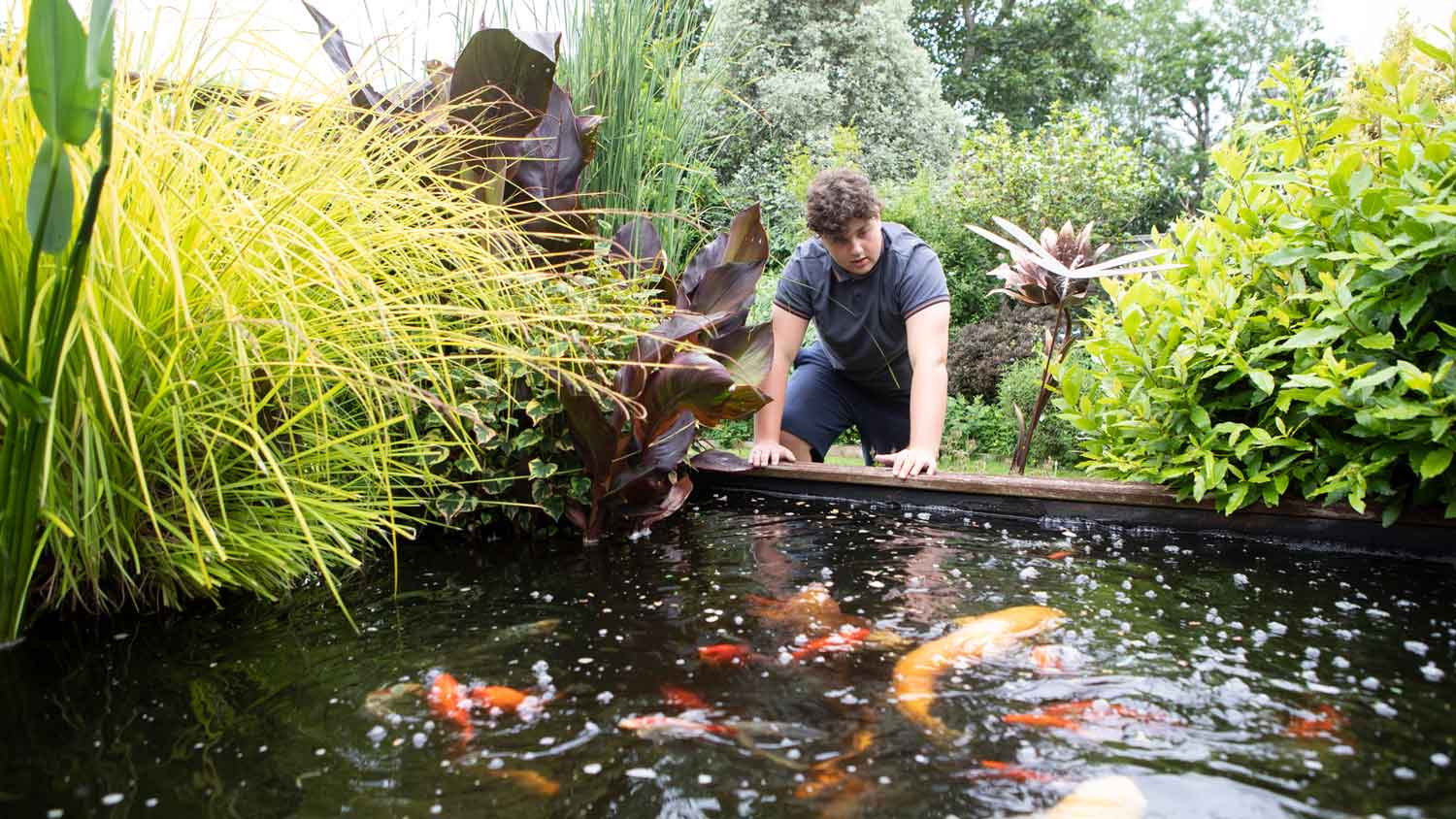
The Howes, SD homeowners’ guide to aquarium services
From average costs to expert advice, get all the answers you need to get your job done.
Discover mosquito control service cost estimates, including average prices, key cost factors, and tips to save on professional mosquito treatments for your home.
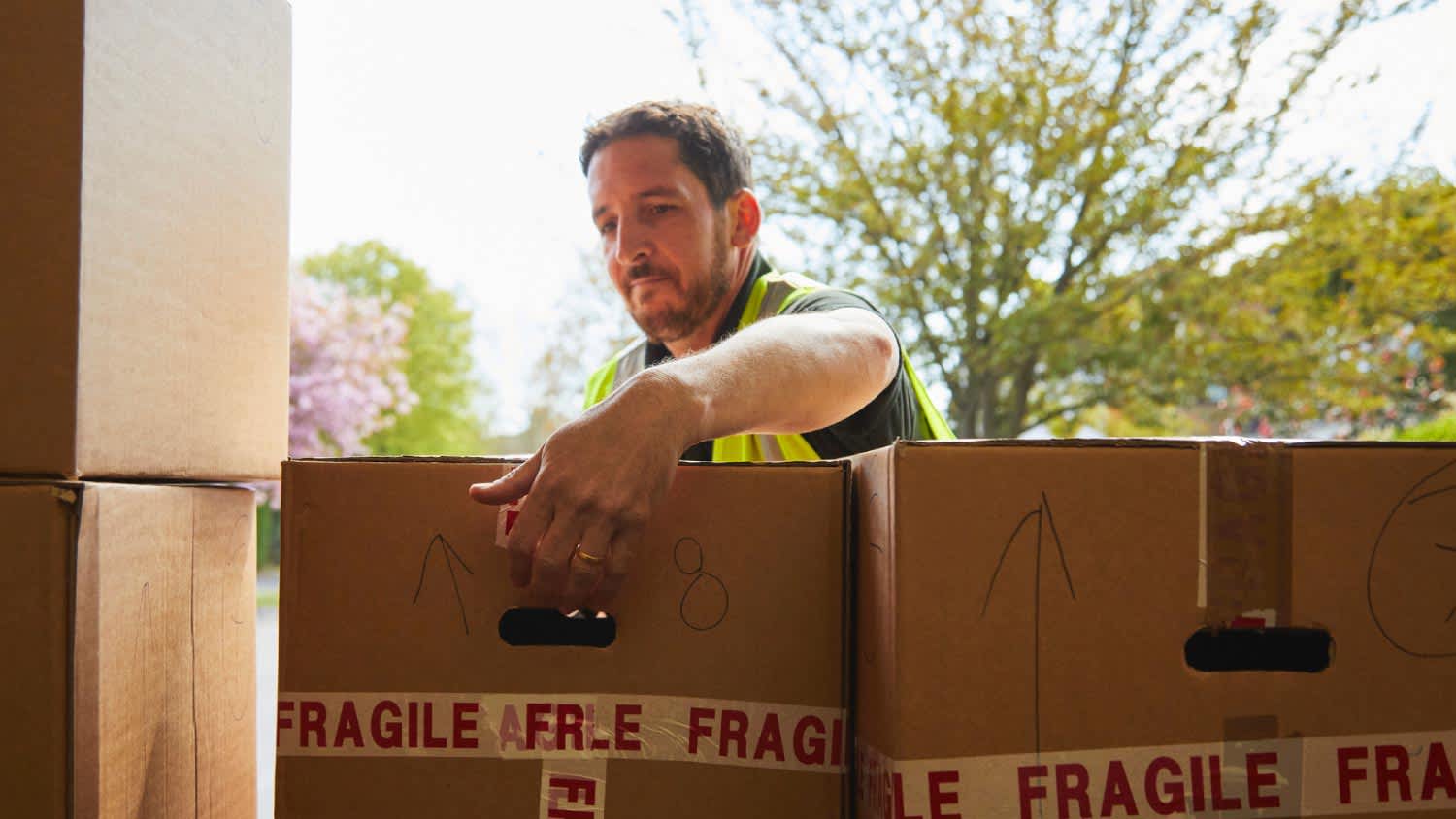
If you’re moving, you need to consider distance, weight, packing, and more. Our guide provides the average cost to move a 3-bedroom house long distance.
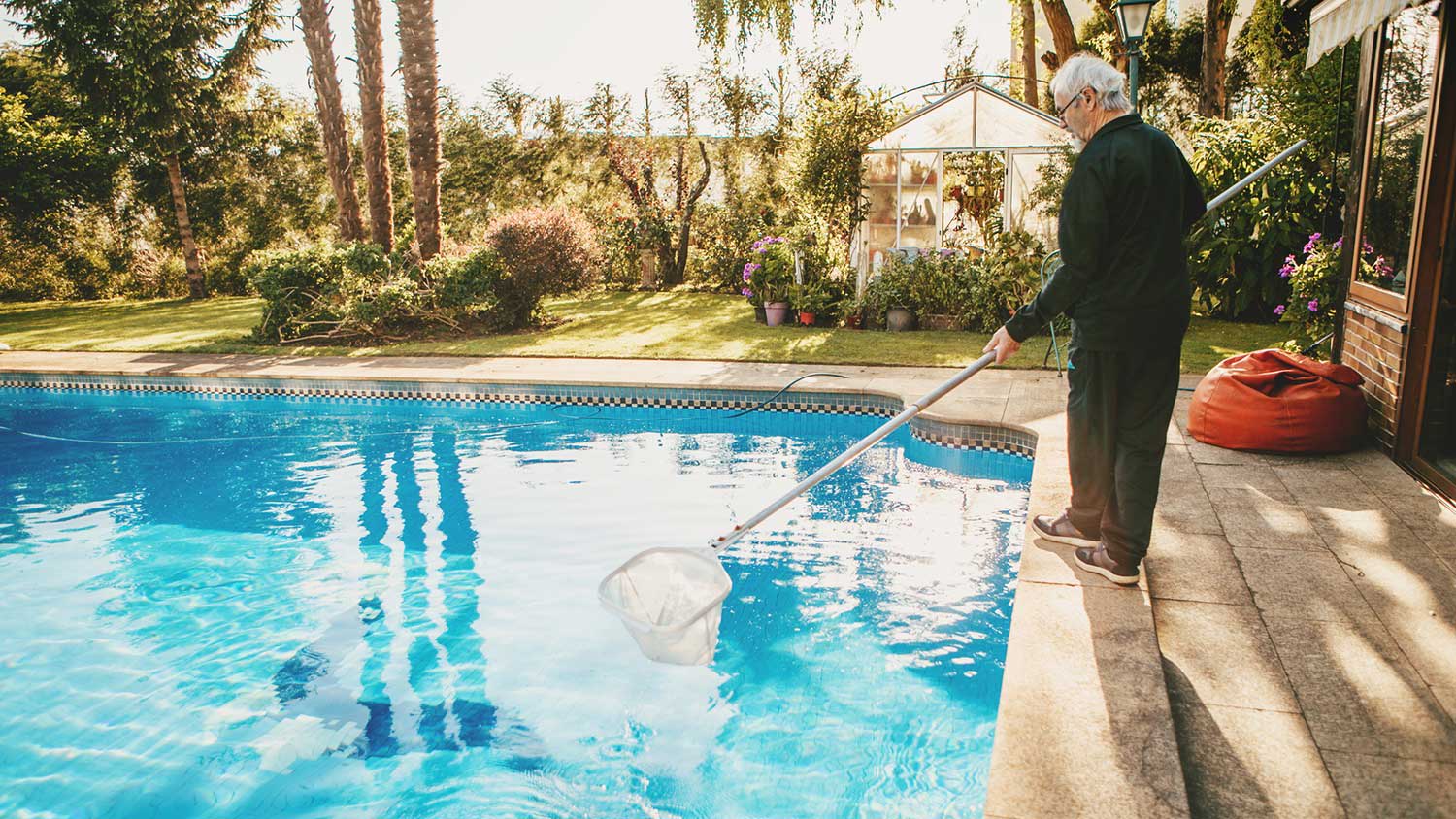
If you live in an area without very cold winters but tempted to close your pool during the cooler months, read on. We dive into the many benefits of winter service.
Learn about home items that are nearly impossible to move without movers, either because they are awkwardly shaped, too heavy, or require special equipment.
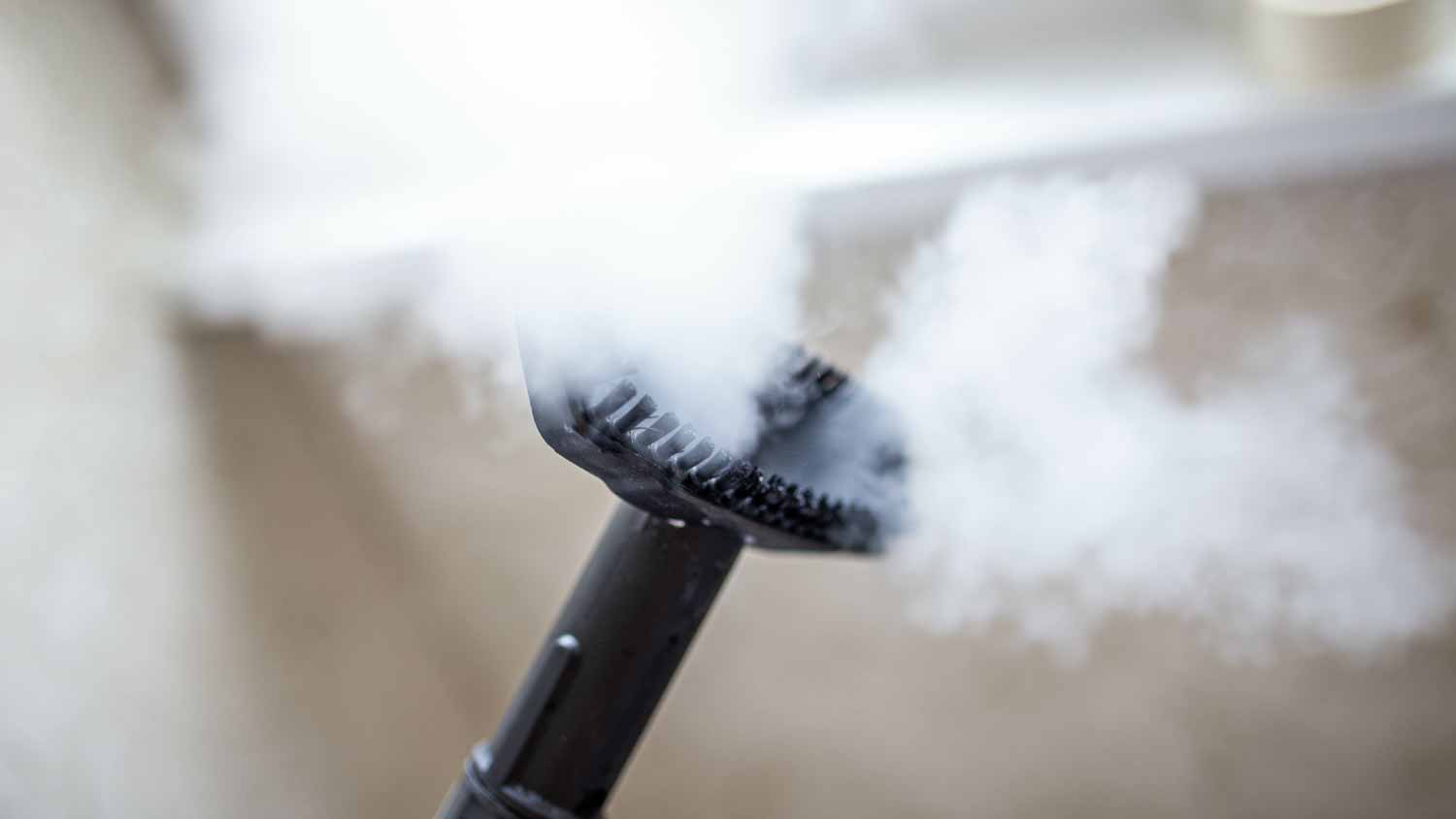
Steam cleaning makes your floors feel spotless without harsh chemicals. However, certain areas benefit from steam more than others. Here’s what you can clean with a steam cleaner.