



Top-rated deck cleaning pros.

Get matched with top deck cleaning pros in Hartford, SD

Enter your zip and get matched with up to 5 pros

Need a pro for your deck cleaning project in Hartford, SD?

Select your specific project to find the pro for you.

TRUSTED BY HARTFORD, SD HOMEOWNERS

  • Average homeowner rating star icon3.9
    Average homeowner rating
  • Verified reviews icon38
    Verified deck cleaning services reviews

Find Deck cleaning pros in Hartford

Avatar for A1 seamless Rain Gutters inc.
A1 seamless Rain Gutters inc.
4.8(
4
)
Deck, Fence, Patio or Porch - Clean and Seal

Serving Hartford, SD and surrounding areas

In business since 2011

Free estimates

Emergency services offered

"Ryan was very attentive and responded to all my questions in a timely basis. His bid to reshingle my roof was very competitive, however, I ended up hiring a family member of someone I work with that gave me a very deep discount."
Response time6 days
Recommended by100%of homeowners
Showing 1-10 of 32
Deck Cleaning questions, answered by experts

Rot loves moisture, so deck rot typically impacts the parts of a board that stay wet. This includes the underside of boards, in addition to support posts and joists. However, any part of a board can rot, given the right conditions. 

Yes, deck pier blocks can be used as an alternative to traditional deck footings, especially for smaller or low-to-the-ground decks. Unlike poured concrete and buried post footings, deck blocks do not require digging or pouring. However, their use is dependent on local building codes. Some areas, particularly those prone to high winds, earthquakes, or hurricanes, may not permit the use of deck pier blocks. It is essential to consult your local building codes before choosing them for your deck project.

It’s best to use two screws to secure deck boards into every joist. Securing the boards to every joist makes the deck more structurally sound, while using two screws on the outer sides of the boards can help prevent warping and cupping.

In most cases, your deck will need some form of deck footing to hold it in place, preventing moisture from rotting your wood and decreasing your deck’s lifespan. Concrete deck blocks are the most common type of footing for floating decks. Some homeowners use ground-level deck footings. For added security, consider digging and laying your ground-level footings below ground.
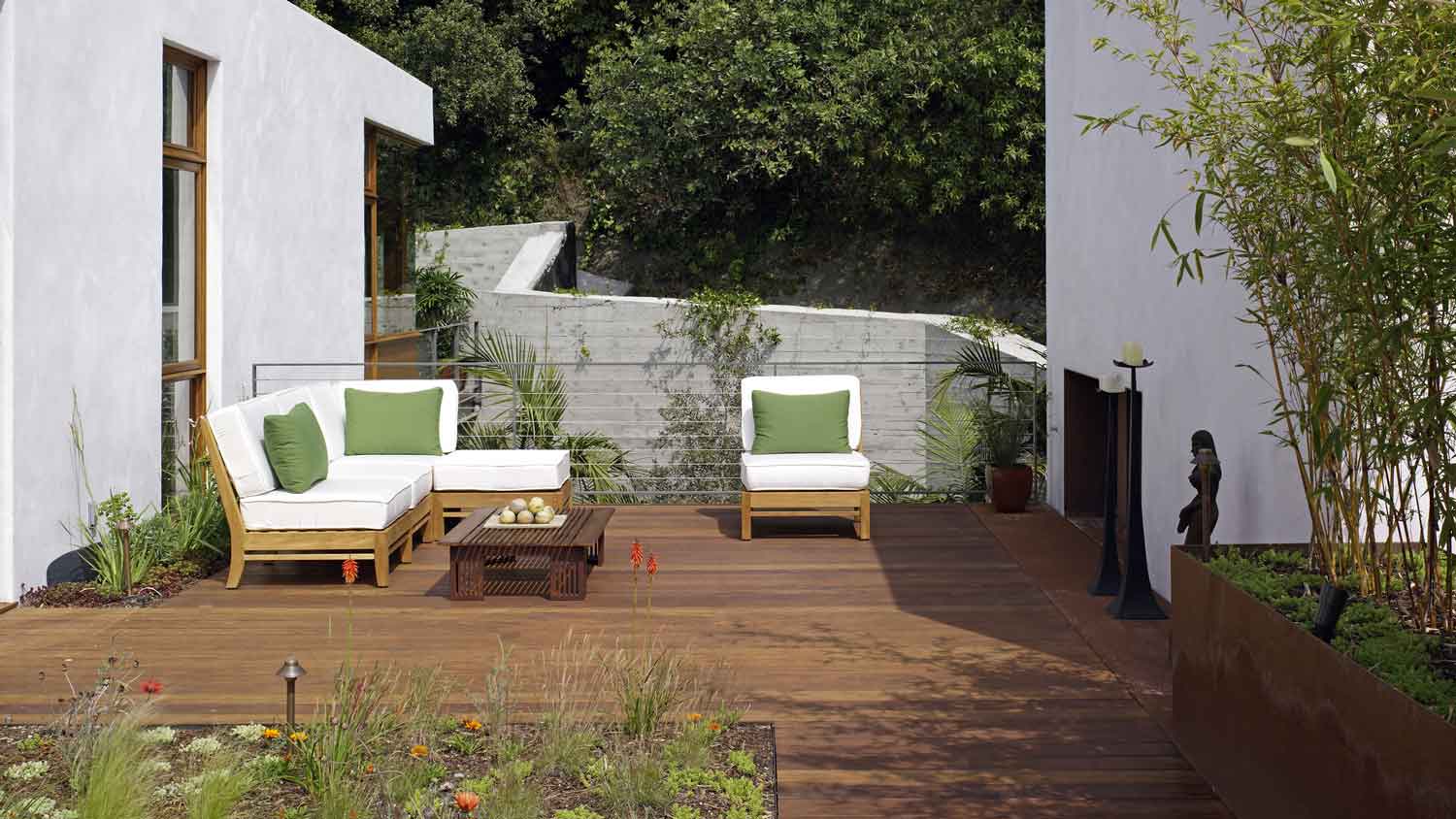
The overhang, or nosing, of deck steps is another area that will be covered in building code requirements. The noses on your deck steps should have a minimum overhang of ¾ inch. For safety, usability, and code compliance, the nosing of deck steps should not extend past 1¼ inches.

The Hartford, SD homeowners’ guide to deck cleaning services

From average costs to expert advice, get all the answers you need to get your job done.