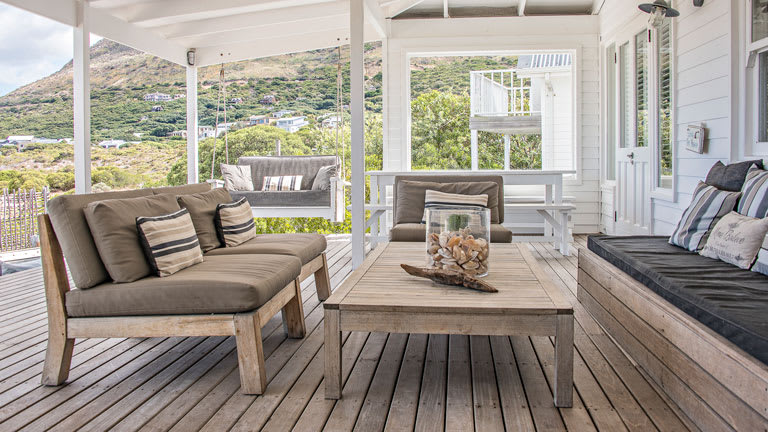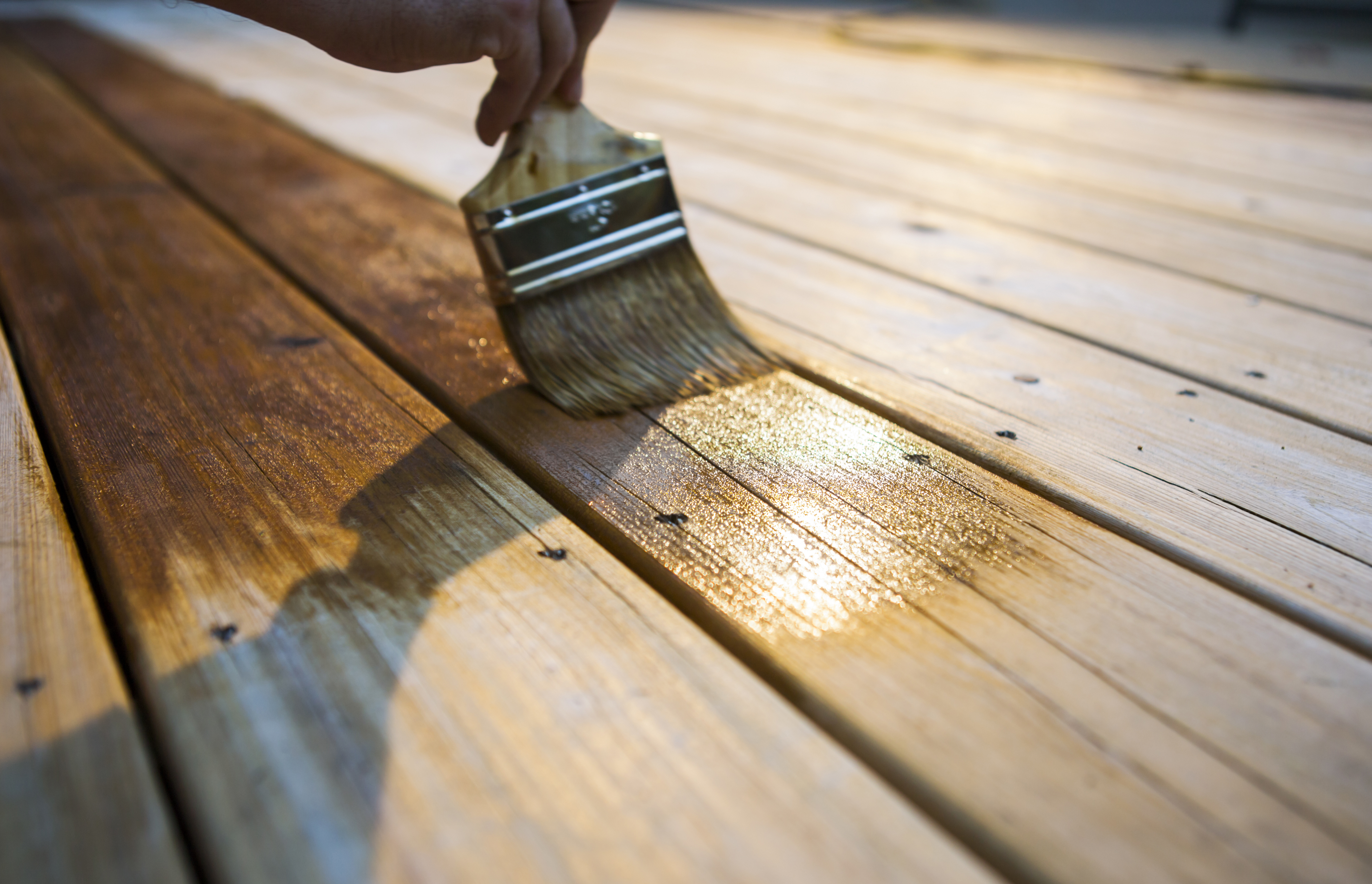








Top-rated deck cleaning pros.

Best deck cleaning pros near Worthing, SD

Enter your zip and get matched with up to 5 pros

Need a pro for your deck cleaning project in Worthing, SD?

Select your specific project to find the pro for you.

TRUSTED BY WORTHING, SD HOMEOWNERS

  • Average homeowner rating star icon4.1
    Average homeowner rating
  • Verified reviews icon14
    Verified deck cleaning services reviews

Top-Rated Deck cleaning pros in Worthing - Updated Nov 2026

Avatar for A1 seamless Rain Gutters inc.
A1 seamless Rain Gutters inc.
4.8(
4
)
Deck, Fence, Patio or Porch - Clean and Seal

Serving Worthing, SD and surrounding areas

In business since 2011

Free estimates

Emergency services offered

"Ryan was very attentive and responded to all my questions in a timely basis. His bid to reshingle my roof was very competitive, however, I ended up hiring a family member of someone I work with that gave me a very deep discount."
Response time6 days
Recommended by100%of homeowners
Showing 1-10 of 29
Deck Cleaning FAQs, answered by experts

Most building codes require that railing spindles (also known as balusters) on decks or stairs be spaced no more than four inches apart. This safety standard is often called the '4-inch sphere rule,' which means a sphere with a 4-inch diameter should not be able to pass through the opening between balusters. This rule is in place to prevent small children and pets from slipping through the railing. For the same reason, the space between the bottom rail and the deck or floor surface should also be no more than four inches. As a general guideline, professionals often install three balusters per foot of railing. However, since specific requirements can vary by location, it is essential to check your local building codes to ensure compliance before starting your project.

A deck is typically attached to a house and accessed via the back door. Decks are usually constructed from wood or composite materials. A terrace, on the other hand, is a raised platform that can be attached to or detached from the house and is typically made from a hard-paved material, such as paving stones. Terraces can be built on the ground or on the roof of a home.

You can build an outdoor kitchen on a deck, but you should choose composite decking since it's more heat-resistant. Metal deck materials like steel and aluminum are also good choices because they're less flammable than wood. You should also consider the weight of the kitchen—make sure your deck can support it and any appliances you plan to use. You should consult a structural engineer to confirm exactly how much weight your deck can safely support when building an outdoor kitchen. 

Many composite decking manufacturers, including the popular Trex brand, offer warranties that protect against warping under specific conditions. These warranties typically last between 20 and 50 years, but they usually exclude claims related to improper installation of the product. Some manufacturer warranties only cover decks built by certified professionals.

Yes, Ipe is more expensive than Trex decking—both in terms of materials and installation (plus, Ipe trees are endangered). On average, Ipe decking costs $10 to $25 per square foot, while Trex decking costs $5 to $12 per square foot. Because Ipe is harder to work with, the price of installation is higher, too. For Ipe decking, you’ll pay between $20 and $45 per square foot for labor. However, with Trex decking, the labor costs range from $8 to $22 per square foot.

The Worthing, SD homeowners’ guide to deck cleaning services

From average costs to expert advice, get all the answers you need to get your job done.