TileBuys is a well established business in Sioux Falls and surrounding area, offering the finest in craftsmanship and quality. When it comes to professionalism and customer service, we are unmatched! For the best of the best call TileBuys for all your flooring needs!
No, you should not put a hot pan or pot directly on a quartz countertop. While quartz is generally heat-resistant, the resin binders used in its manufacturing are sensitive to extreme heat from items exceeding 150 degrees Fahrenheit. This can damage the resin, leading to discoloration, burns, or even cracking. To prevent permanent damage, always use trivets or hot pads for hot cookware.
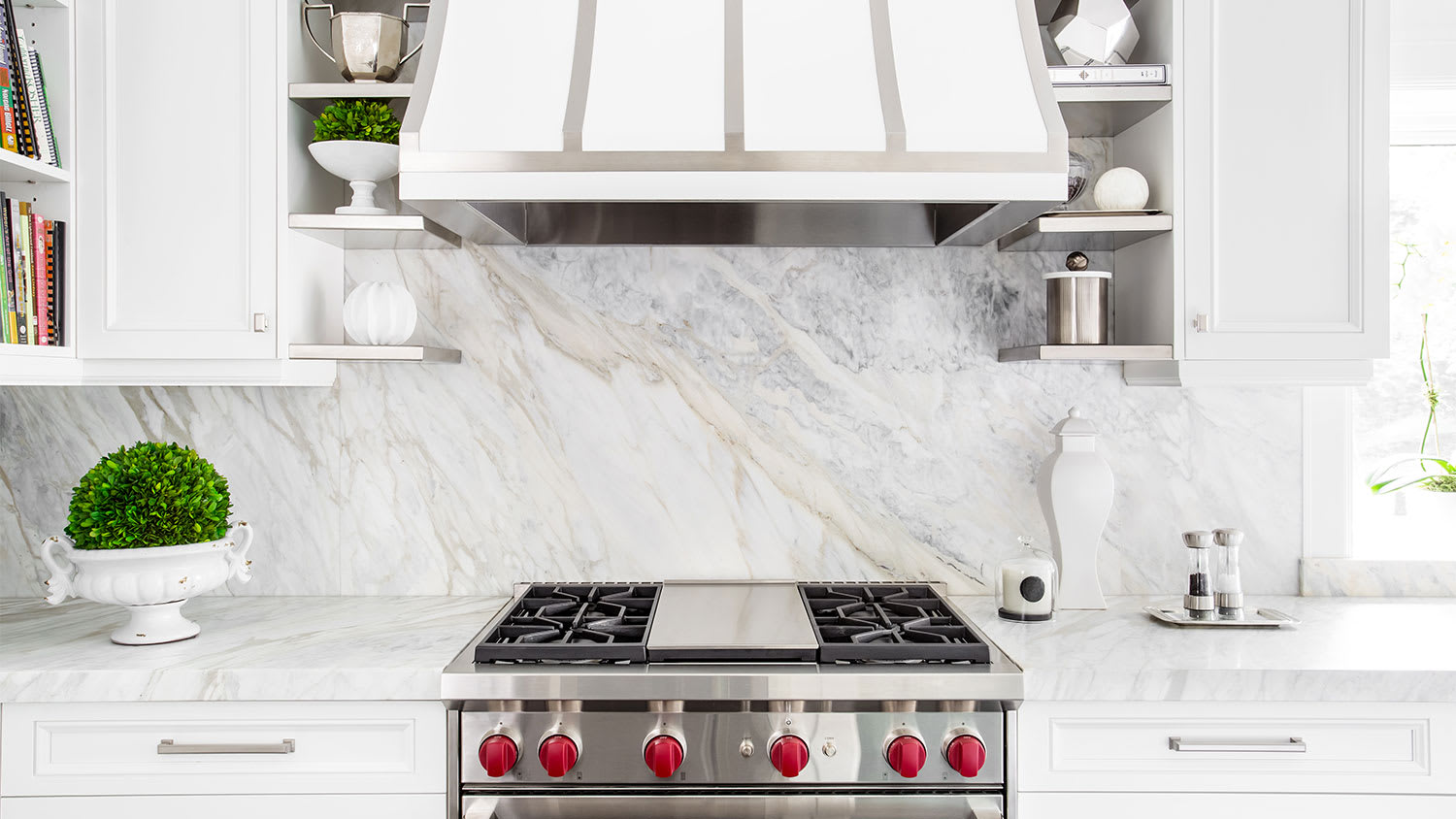
A water-based, low- or no-VOC sealer is typically a good choice for marble countertops. Choose a sealant that is certified safe for contact with food when applying to kitchen countertops. For high-traffic areas, look for formulas that have heat-resistant and acid-resistant features. While there are economical and convenient spray-on sealers, they don’t coat the surface as effectively as the ones you apply with a pad or brush.
Since cesspits must be watertight to prevent leakage and contamination, so they’re typically constructed from one of a few tough materials. Most cesspits are made from fiberglass, concrete, polythene, or steel. Each of these materials carries certain advantages—fiberglass, for example, is resistant to corrosion but may be more prone to cracking if it’s at high capacity.
You most likely purchased a quartz countertop because it won't stain or etch like marble. However, etching can still happen depending on the quality of the quartz and whether it is repeatedly cleaned with harsh chemicals or exposed to acidic spills. Remember, while quartz is more resistant than natural stone, just like Superman when faced with Kryptonite, it is not indestructible.
Marble countertops can last from 20 to 100 years, making them an excellent choice for anyone looking for durability. The life span depends on several factors, including how well you take care of your marble countertops. Marble is a porous material, so it can require more upkeep than other countertop options.
The Gregory, SD homeowners’ guide to marble restoration services
From average costs to expert advice, get all the answers you need to get your job done.
Thinking about marble restoration? Learn about polishing options, average costs to expect, and how to hire the right local pro to renew your stone surfaces.