TileBuys is a well established business in Sioux Falls and surrounding area, offering the finest in craftsmanship and quality. When it comes to professionalism and customer service, we are unmatched! For the best of the best call TileBuys for all your flooring needs!
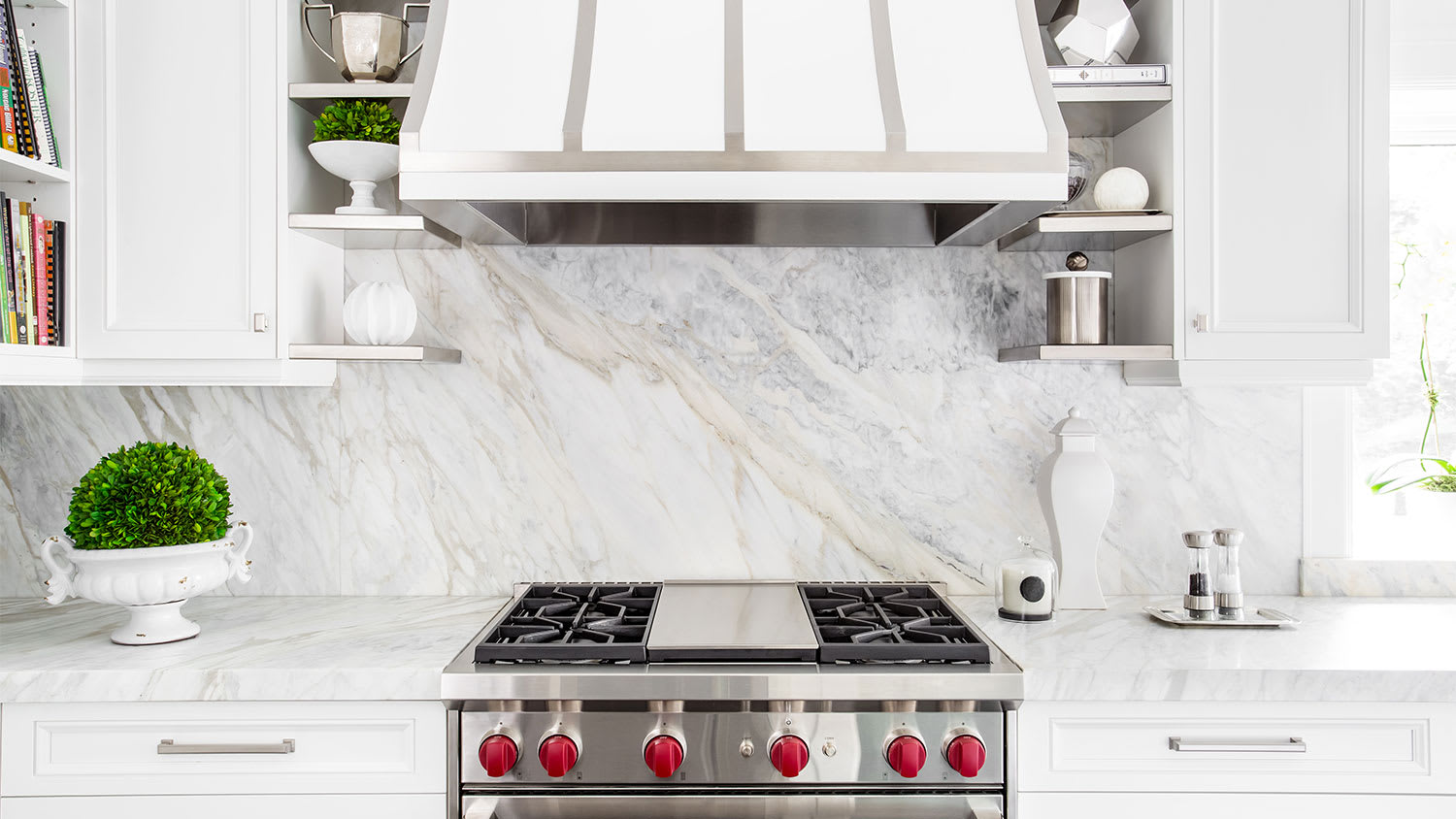
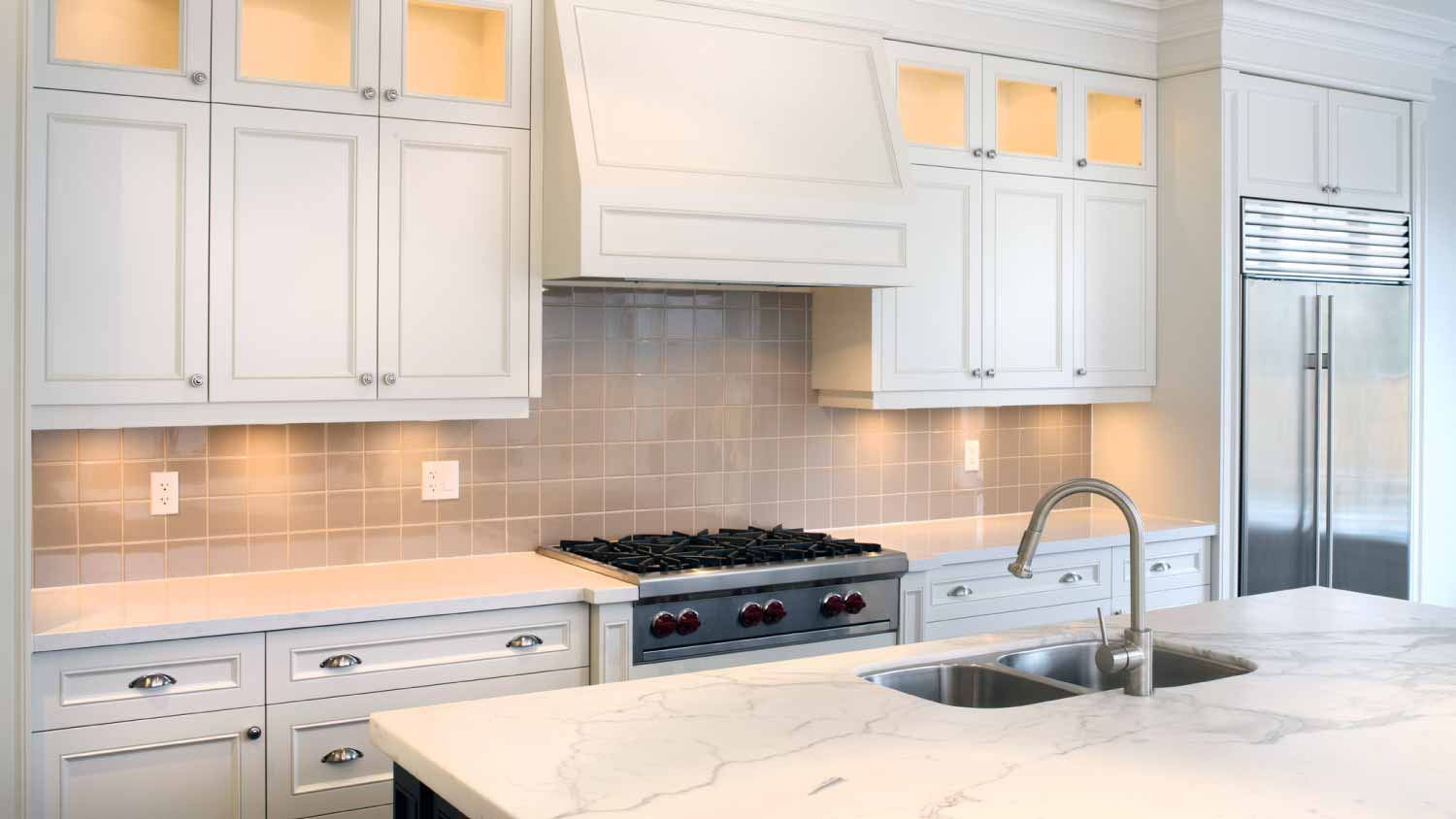
Deciding between marble and granite for kitchen countertops depends on your personal priorities, budget, and style. Both materials have similar costs for material and installation.
Marble offers a luxurious aesthetic and timeless beauty, but it is more expensive and requires more maintenance. It is susceptible to staining and etching from acidic substances like coffee, wine, or tomato sauce if spills are not cleaned up quickly.
Granite is highly durable, heat-resistant, and easier to maintain, making it a practical choice for busy kitchens.
Both materials should be sealed to protect against damage, but they can still be vulnerable to stains if spills are left on the surface for too long.
The frequency for sealing marble countertops depends on several factors, including the quality and color of the stone, the type of sealant used, and the amount of traffic the surface receives. Marble has a porous surface that requires sealing to maintain its shine and resist scratches. As a general rule, you should seal countertops at least once a year. However, for heavily used surfaces, like those in a busy kitchen or family bathroom, you may need to reseal them every three to six months. Conversely, countertops in a rarely used guest bathroom might only need resealing every few years.
It typically costs $1.25 to $4 per linear foot to repair a granite countertop seam, though the costs will vary depending on whether you do it yourself or hire a pro. The costs will also depend on the extent of the seam and whether your countertops have any additional issues. Granite countertop repairs cost$200 to $1,200, depending on the problem.
You can cut food on tough, scratch-resistant granite countertops. However, these hard surfaces can quickly dull your knife blades, and continual cutting in the same spot can eventually lead to marks forming and compromising the protective sealant. As with any countertop material, it’s always best to use a chopping board.
Yes, Corian® and other solid surface countertops can be cut with standard woodworking tools like a circular saw or a jigsaw, but using the correct blade is crucial for the best results.
The recommended blade is a tungsten carbide-tipped blade, often called a solid-surface planer or triple chip grind blade. This type of blade is hard enough to cut through the material effectively. For a jigsaw, a fine-tooth down-cutting blade should be used.
It is important to note that a diamond blade is not necessary. Diamond blades are designed for harder materials like natural stone, concrete, or brick, and Corian is not a natural stone.
Using blades designed for wood is not recommended as they can cause microfractures that weaken the countertop's edges. While a tungsten carbide blade provides a much cleaner cut, the resulting edge will still be rough and must be sanded and smoothed to prevent microfractures from developing over time.
The Platte, SD homeowners’ guide to marble restoration services
From average costs to expert advice, get all the answers you need to get your job done.
Thinking about marble restoration? Learn about polishing options, average costs to expect, and how to hire the right local pro to renew your stone surfaces.