TileBuys is a well established business in Sioux Falls and surrounding area, offering the finest in craftsmanship and quality. When it comes to professionalism and customer service, we are unmatched! For the best of the best call TileBuys for all your flooring needs!
The cost to polish floors averages around $200per room, but you could pay anywhere from $100 to $300. Some factors that influence the total cost of floor polishing include the following:
Square footage of flooring
Type of floor
Whether you need floor repairs done beforehand
Whether or not you want professional floor cleaning done beforehand
Since square footage is the most significant cost factor, you might get a more accurate estimate by using the average cost per square foot for floor polishing, which is between $1.00 and $2.50.
Yes, it is possible to buff and polish your floors yourself, particularly for smaller areas. However, this is considered an intermediate-level DIY project that is time-consuming and requires patience and know-how. The process involves cleaning the floors before applying a polish, which can be done manually with a cloth or with a rented or purchased floor buffer and buffing solution. If not done correctly, you risk leaving burn-like marks, puddles, or an uneven finish, which could lead to costly repairs. For larger spaces or to ensure a professional result, hiring a professional is often worthwhile. They use industrial equipment to complete the job faster, providing a deep clean and a more even, polished finish without damaging your floors.
No, you cannot use vinegar to polish marble. It is too acidic for cleaning or polishing and can etch the surface. Instead, opt for non-acidic cleaners made specifically for marble. Follow the manufacturer’s directions to ensure proper application and to protect the marble. However, a damp mop can be an effective marble cleaner when used appropriately and as long as moisture is immediately soaked up.
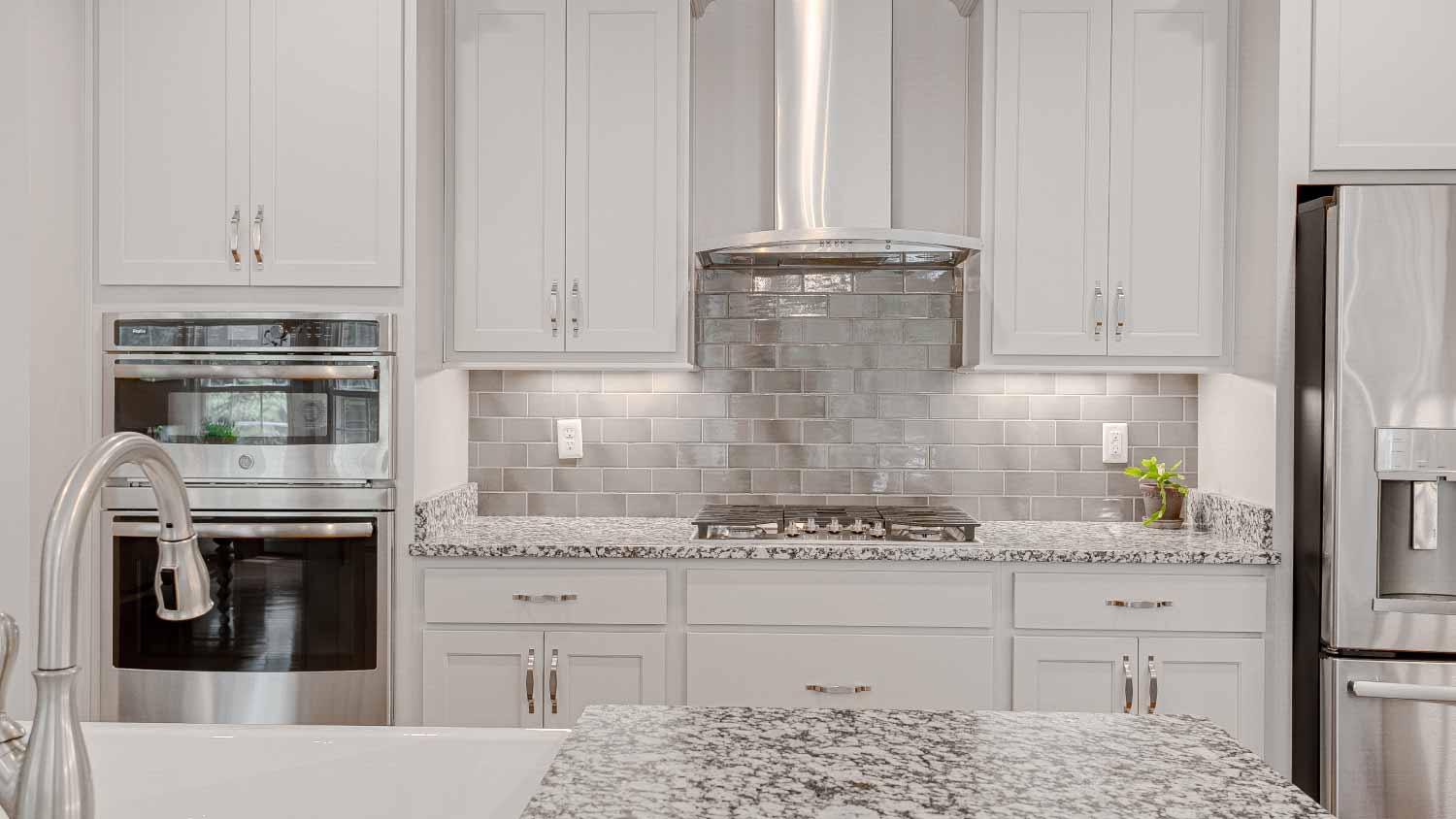
The frequency for sealing granite countertops depends on several factors, including the type of sealant used, the color of the granite, and how heavily the countertops are used. As a general guideline, resealing is often recommended every 12 to 18 months, but some sources suggest it could be as often as every few months or at least once a year.
The type of sealant is a major factor: water-based sealants may need reapplication every six months to a year, while more durable solvent-based sealants can last for five to 10 years. Additionally, factors like heavy kitchen traffic, frequent use of acidic cleaners, and lighter granite colors may require more frequent sealing to prevent staining.
To determine if your countertops need resealing, you can perform a simple water test. Place a few drops of water or a wet paper towel on an inconspicuous area of the granite. After 10 to 15 minutes, check the spot. If the water has beaded up, the seal is still intact. If the water has been absorbed and darkened the stone, it's time to apply a new coat of sealant. You can choose to seal the granite yourself or hire a professional to ensure it's done correctly.
You generally cannot change the color of the natural stone, such as making granite countertops darker or lighter. Some people claim that certain chemicals will lighten or darken granite, but those will damage the stone and not provide uniform, expected results, so it’s better not to try. Similarly, some people ask whether they can stain over granite. Granite is beloved for its stain-resistant finish, so you probably won’t get the best outcome if you try to stain over granite to make it darker.
Instead, consider honing, painting, or applying another material over the top of the granite to make it appear darker.
The Gregory, SD homeowners’ guide to granite restoration services
From average costs to expert advice, get all the answers you need to get your job done.
Granite countertops last 15 to 100 years based on usage and maintenance. Here’s how long your granite countertops will last and ways to increase their lifespan.