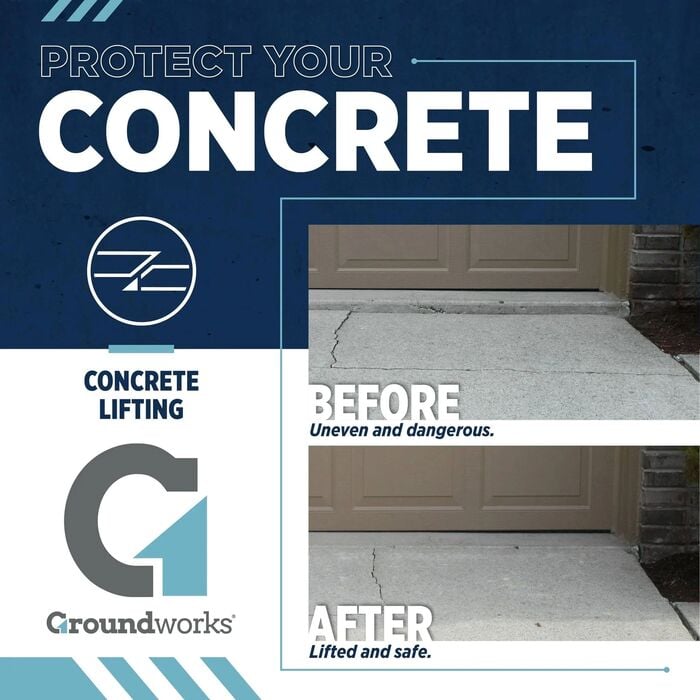
Groundworks is the North America's leading and fastest-growing foundation repair and water management solutions provider. Groundworks is a vertically integrated company with its own manufacturing operations and a world-class software solution, allowing us to serve our customers more effectively. From the first phone call to the annual maintenance offered, our customers have peace of mind knowing we're there with one mission to repair, protect and improve their home. For state licenses visit Groundworks.com/licensing
"I hired KJ Drywall to frame, insulate, and sheetrock/texture a basement bedroom. Kevin did a great job. He was very knowledgeable about what needed to be done. He worked very hard and completed the job in a good time. He seems pretty efficient. We had a plumbing issue during his work, and he had someone out to fix it within about 45 minutes. The repair was made in Avery professional manner. Long story short, this fellow and his help were very good to work with, very fair with the price, And Kevin seems like just a really good guy. Glad to have worked with him."
With over 10 years experience in basement and foundation waterproofing, Williams Construction Co. has the knowledge and expertise to handle all your waterproofing project needs.
Enhanced Basements foundation repair offers reliable and affordable foundation repair solutions. Our dedicated team is committed to providing high-quality services to address various foundation issues. We take pride in our work and strive to ensure the safety and stability of your property.
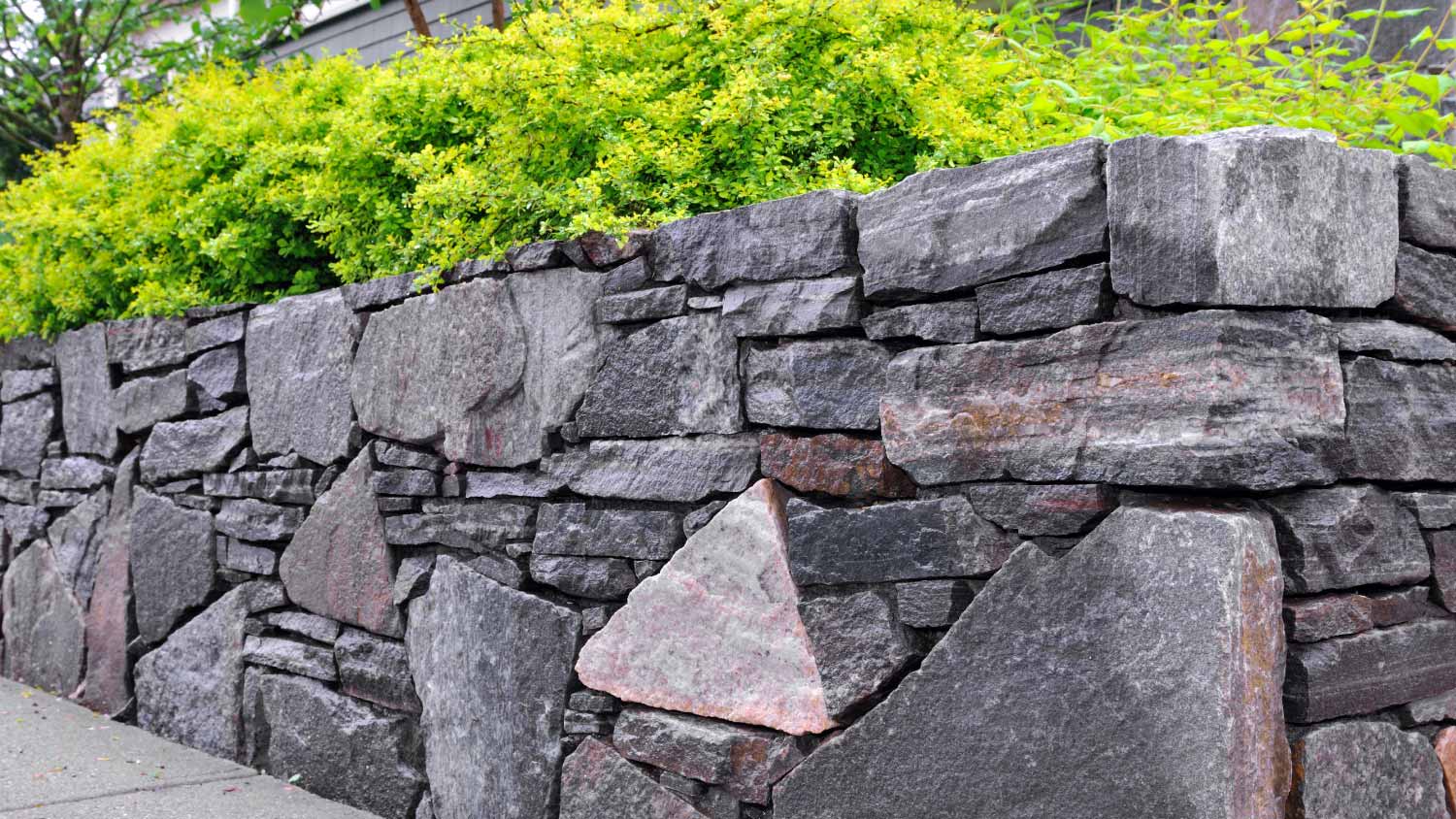
The difference between river rock and landscaping rocks is size, smoothness, and use. River rocks are smooth and flat, as if polished by water, and come in diameters between 1 and 8 inches. Landscape rock can vary in size from small pea gravel installations to car-sized boulders. However, landscaping and river rocks are interchangeable in many situations. River rock is best for pathways, walkways, garden bed mulch, water features, and planting accents, while small landscape rocks can serve as a walkway base, gravel playground areas, and filler between pavers.
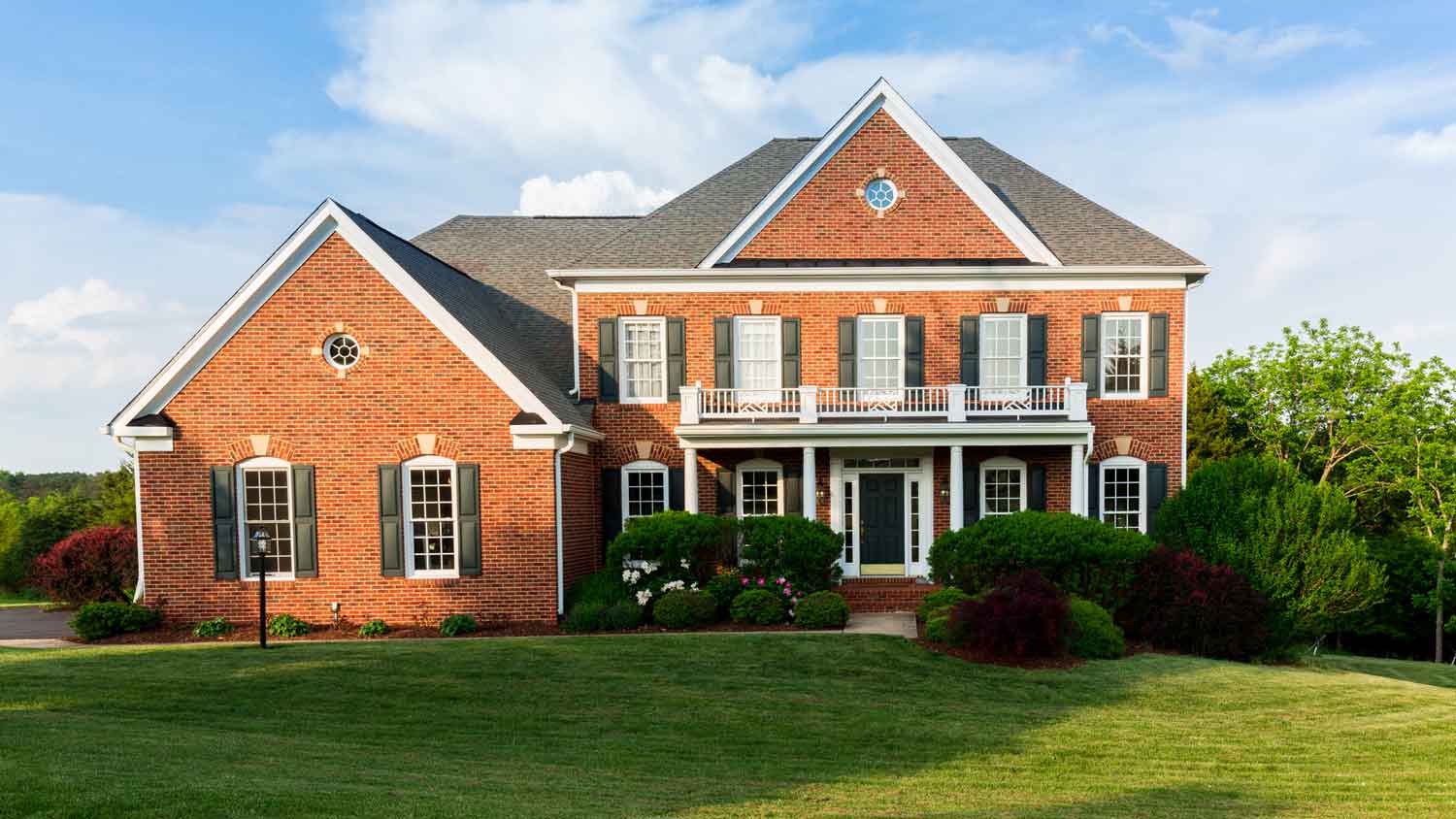
When painting brick, each application method has distinct advantages and disadvantages. Spraying is significantly faster but may not penetrate deeply beyond the surface layer. Rolling is effective for working paint into the brick's texture but can be less effective on mortar joints. If you opt for a roller, choose a thick nap of at least a half-inch to ensure paint gets into all the crevices for even coverage. Using a brush is generally not recommended as it is very time-consuming and provides poor surface penetration. Ultimately, a combination of spraying followed by back-rolling is often the best strategy for a durable and even finish.
You can turn a red brick white through a process called whitewashing. Whitewash isn’t a stain but rather is made from water and white latex paint. Adding more water to the mix will make the solution look lighter when applied, and adding more paint will make it look more white.
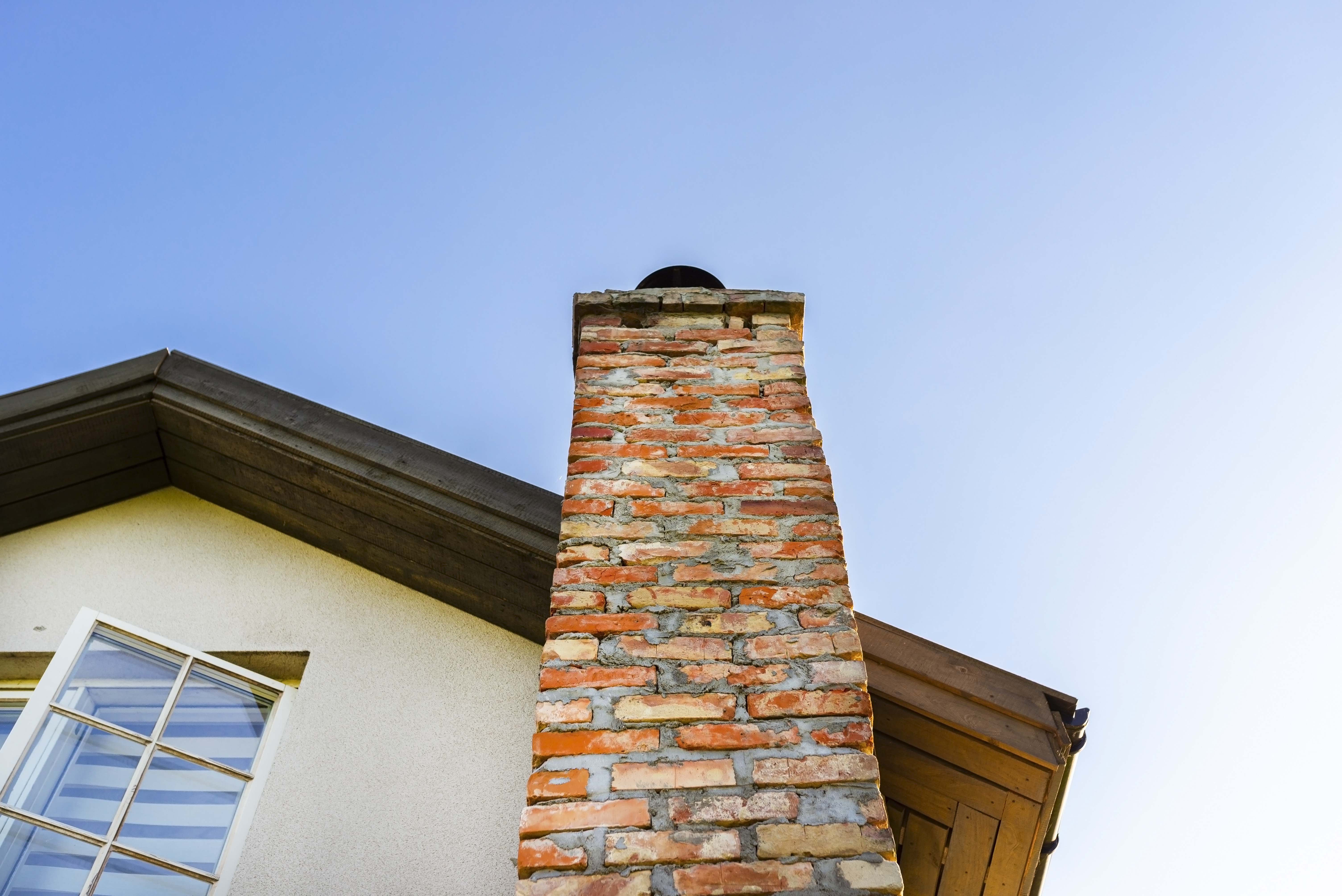
Professionally done brick repointing can last 20 to 30 years, sometimes longer. However, the exact lifespan depends on several factors, including the quality of the mortar, the skill of the mason, and exposure to weather. If you live in an area with harsh weather or frequent freeze-thaw cycles, you may need to repoint more often. Repointing that is done as a DIY project may only last 10 to 15 years. It's time to repoint when you notice signs of mortar failure, such as crumbling or missing mortar, holes, or vines growing between the bricks. Regular inspections can help you catch these issues early.
A traditional German schmear uses mortar, making it unsuitable for adherence to painted surfaces. Professionals recommend removing any existing paint before applying mortar. However, you can rough up the painted surface and clean it to test if the mortar will stick. Remember that the underlying paint's texture and color may affect the schmear's final appearance—so starting with a bare brick wall will ensure the ideal finish.
The Fort Thompson, SD homeowners’ guide to masonry services
From average costs to expert advice, get all the answers you need to get your job done.
Door or window lintel replacement costs $400 on average, but there are ways you can save. On the other hand, complicated work will increase costs considerably.
Need to repoint brick in your home to make your home look fresh and new? Use this guide to repointing brick cost to price out your project before starting.
This guide features information on the costs to repair a brick wall, whether or not you need a brick mason to complete spalling, tuckpointing, or a full restoration.
Discover the wide variety of masonry materials for your next home upgrade project. Our guide covers the different types of materials to choose from and more.
When it comes to masonry versus concrete, it can be easy to confuse the two. Use this guide to learn about the differences in appearance, strength, and more.