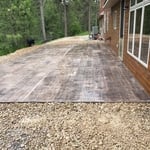
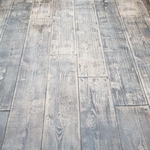
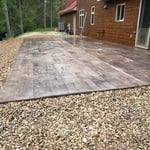
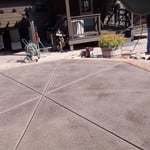
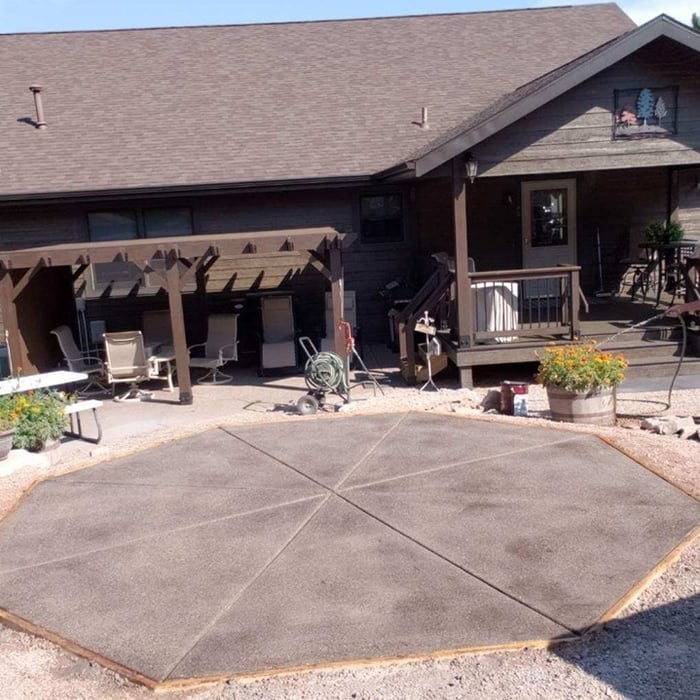
"I had been dealing with an uneven garage floor for several years and consulted multiple companies, but most either quoted very high prices or couldn’t handle the job properly.
TJ and his assistant, Miky, from Walking 4 LLC, carefully assessed the situation, explained everything clearly, and offered several options with pros and cons. Their honest recommendations helped us make a confident decision.
We chose to redo part of the garage floor to level it. TJ provided a clear plan, and the pricing was very reasonable. The work was completed with excellent craftsmanship and a professional finish.
The results were impressive—so much so that my neighbor hired TJ on the spot. He also went the extra mile by replacing and adjusting the garage door seals to ensure a proper fit.
I highly recommend Walking 4 LLC for concrete work. Their professionalism, honesty, and quality are outstanding."
Double H Masonry has become a staple of professionalism and quality work in Rapid City, SD for 17 years. With decades of experience, there is no job too large or small for our team. Call today to schedule an estimate!
"I only use James when I need some work done to my house. He responds fast, gets the work done quicker than just about anyone else I've ever used and seems very concerned with leaving his customers happy."
"These fellas put in a shop floor a one car garage floor. And an older existing garage floor. Can t say a bad thing at all. They worked hard long hours. Weekends. Our floors look amazing!!!"
"Their work was very good, so good that I kept adding more work for them to do. They were kind and courteous and strived to achieve the best possible work. Their work ethic and price were exceptionaly honest and fair. If I have more work in the future I will definitely hire them again."
Removing paint from brick can have both aesthetic and practical value. Some people prefer the timeless look of bare brick, making it worthwhile to remove old paint layers. Brick also lasts longer when unpainted, as paint traps moisture, causing the brick to deteriorate more quickly. If your brick walls are already in bad shape, stripping the paint off might do more harm than good.
Fireclay is a type of clay but it is a type of clay that, because of its chemical composition, can be fired at a much higher temperature than other clays. This results in a denser and more heat-resistant final material. Because of the high percentage of a mineral called kaolin, fireclay sinks are smoother and more durable than other clay types.
Discoloration ondifferent types of brick can range from harmless to red flag. For example, efflorescence that is caused by a buildup of water-soluble white salt is considered harmless. However, green or greenish-yellow stains are caused by salts that are harmful to brick. Staining can also be caused by rust, corrosion, lime run, soot, algae, or moss.
Unless you’ve worked in the masonry industry before, it is in your best interest if you hire a pro for any masonry needs. Masonry-related jobs require a high skill level and can be extremely time-consuming. If anything goes wrong, a licensed and insured masonry contractor would be able to take care of the subsequent repairs, giving you additional peace of mind.
A traditional German schmear uses mortar, making it unsuitable for adherence to painted surfaces. Professionals recommend removing any existing paint before applying mortar. However, you can rough up the painted surface and clean it to test if the mortar will stick. Remember that the underlying paint's texture and color may affect the schmear's final appearance—so starting with a bare brick wall will ensure the ideal finish.
The Faith, SD homeowners’ guide to masonry services
From average costs to expert advice, get all the answers you need to get your job done.
Door or window lintel replacement costs $400 on average, but there are ways you can save. On the other hand, complicated work will increase costs considerably.
Need to repoint brick in your home to make your home look fresh and new? Use this guide to repointing brick cost to price out your project before starting.
This guide features information on the costs to repair a brick wall, whether or not you need a brick mason to complete spalling, tuckpointing, or a full restoration.
Discover the wide variety of masonry materials for your next home upgrade project. Our guide covers the different types of materials to choose from and more.
When it comes to masonry versus concrete, it can be easy to confuse the two. Use this guide to learn about the differences in appearance, strength, and more.