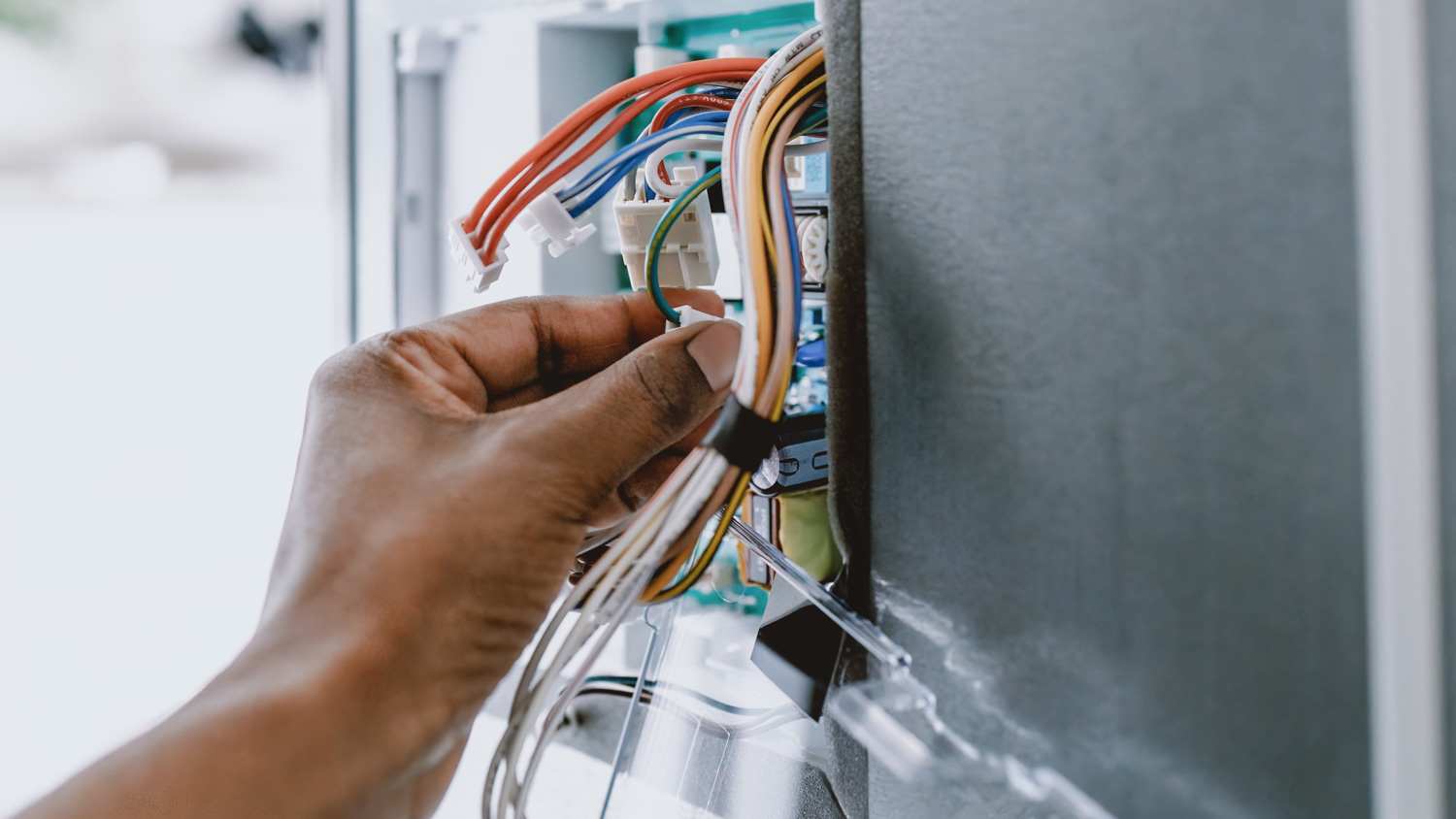


Burnt outlets can be caused by things such as faulty wiring, loose connections, or a circuit overload—and yes, they are extremely dangerous. If you notice your outlet is hot or has burn marks, you should shut off the power to it from the circuit breaker and immediately call an electrician.
You can determine what size generator you need for a transfer switch by matching the switch to the largest outlet on your generator. Larger generators can power up to 10 circuits, while most 5,000-watt generators can provide power to six circuits. So, if your generator’s largest outlet is 30 amps, you’ll need a 30-amp transfer switch.
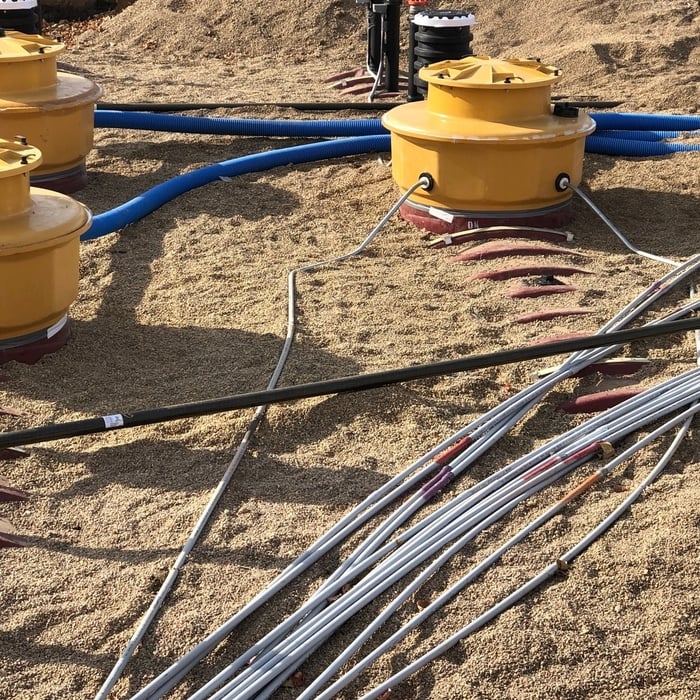
How far you can run underground electric depends on the wire gauge (generally AWG) and the circuit voltage. Too much voltage drop in an electrical circuit can negatively affect performance, so the smaller the voltage drop, the better. Ideally, it shouldn't exceed 3%. The smaller the wire and the longer the run, the more significant the voltage drop.
For example, with a 120-volt circuit, you can run 60 feet of 12 AWG cable without losing more than 3% voltage. With a 240-volt circuit, you can run 120 feet of 12 AWG wire while maintaining a voltage drop of 3% or less.
Yes, a faulty or broken light switch can be a serious fire hazard. Malfunctioning switches, often due to loose connections, exposed wiring, or overheating, can cause sparking or arcing. If you hear a crackling, popping, or hissing sound when you use the switch, it indicates live electricity arcing inside, which is a significant hazard that can ignite nearby flammable materials. If you suspect your light switch is faulty, turn off the power to that circuit at the breaker and contact a qualified electrician to remedy the issue.
If the fan doesn’t have a switch, connect the white wire from the ceiling to the white wire from the fan; connect the green wire to the ground wire; connect both black wires; and connect both blue wires. If yours has a switch, the white and green wires are connected the same way. However, connect the ceiling’s red wire to the light’s black wire and the ceiling’s black wire to the fan’s black wire.
The Elkton, SD homeowners’ guide to electrical services
From average costs to expert advice, get all the answers you need to get your job done.
The average cost to replace an electrical mast is around $750, depending on the size and extent of the replacement. Read on to budget for a meter riser.
Whether you’re shopping for a new home or simply doing a safety check on your current place, learn what factors influence an electrical inspection cost.
Before you hire a licensed electrical contractor, you should learn the cost to run electric from the road to your house so you can budget for the project.
Nervous about what an electrical inspection might reveal about your new home? Following our home inspection electrical checklist can help ease your mind.
When wires are involved, it’s a good idea to hire a hot tub electrician—but is it totally necessary? This guide will give a rundown on which pro to call.