We're a locally owned and operated company that values honesty and integrity and treats your home as if it were our own. Our services are customized to the individual project, paying close attention to the details of each project that we're involved with. We pride ourselves on the quality of our work as well as our commitment to outstanding results. We look forward to building lasting relationships and guaranteeing your satisfaction!
We take great pride in our experience, expertise, quality, and customer service that we provide to meet the consumer's needs. It is our mission to provide excellent workmanship and complete customer satisfaction from start to completion of a project. In order to understand the needs and expectations of our customers, we take great care to work and communicate with every customer in a professional manner. Our reputation is based on service, safety, and quality, regardless of how large or small the job.\n
If your water heater continues to have issues, you may wonder how long an electric water heat lasts. On average, these units last between 10 to 15 years. Following a proper maintenance schedule can help the water heater live to the end of its average lifespan or longer.
Your water heater's age can affect your homeowners' insurance policy. Many policies will ask how old the heater is when you first apply for a policy—and they may make you replace a model that's over 10 years old.
Even if your policy permits you to have an older heater, it may significantly reduce the amount of protection available. If an older water heater suddenly leaks and causes damage to parts of your home, your policy may not cover it.
The standard copper wire gauge to use with any 30-amp circuit is a 10-gauge wire. The National Electric Code specifies a 10-gauge wire with appliances like water heaters running on 30 amps. If you try to use a smaller gauge wire, such as a 12 gauge, with a 30-amp breaker, you run the risk of the wire overheating and melting or causing a fire. Because of the safety hazards, the gauge of the wire is not an area to try to cut costs when connecting a 30-amp breaker to a water heater.
Yes, you can replace a current tank water heater with a tankless model or vice versa. If you’re maintaining the same fuel source—gas or electricity—the switchover should be smooth. A conventional tank requires open floor space, while a tankless model can be wall-mounted. If you’re switching to a tank water heater, you might need to clear space for it. Gas-powered tankless water heaters need a large volume of gas when they start running to heat the water instantly. You might need to increase the size of the gas line when going from a tank to a tankless model.
While a water heater explosion is rare, it is a serious danger. Be aware of these critical warning signs:
Sulfur or Rotten Egg Smell: This is a major red flag, especially for gas water heaters. It can indicate a gas leak, which could ignite and cause an explosion.
Leaking Pressure Valve: If the temperature and pressure (T&P) relief valve is leaking, it may not be able to properly regulate internal pressure, creating a risk of bursting.
Shaking or Rumbling: Loud rumbling or shaking from the tank can be a sign of extreme pressure buildup.
Excessive Heat: If the exterior of the water heater feels unusually hot to the touch, the unit may be overheating dangerously.
Rust-Colored Water: This can be a symptom of severe internal corrosion that compromises the tank's integrity.
If you notice any of these signs, especially a gas smell, you must act immediately. Shut off the gas supply to the water heater and call a professional plumber right away to prevent a potential disaster.
The Bryant, SD homeowners’ guide to water heater services
From average costs to expert advice, get all the answers you need to get your job done.
A water heater flush costs $160 on average but can vary based on the unit size, type, labor, location, and more. Keep reading to learn how much you could pay.
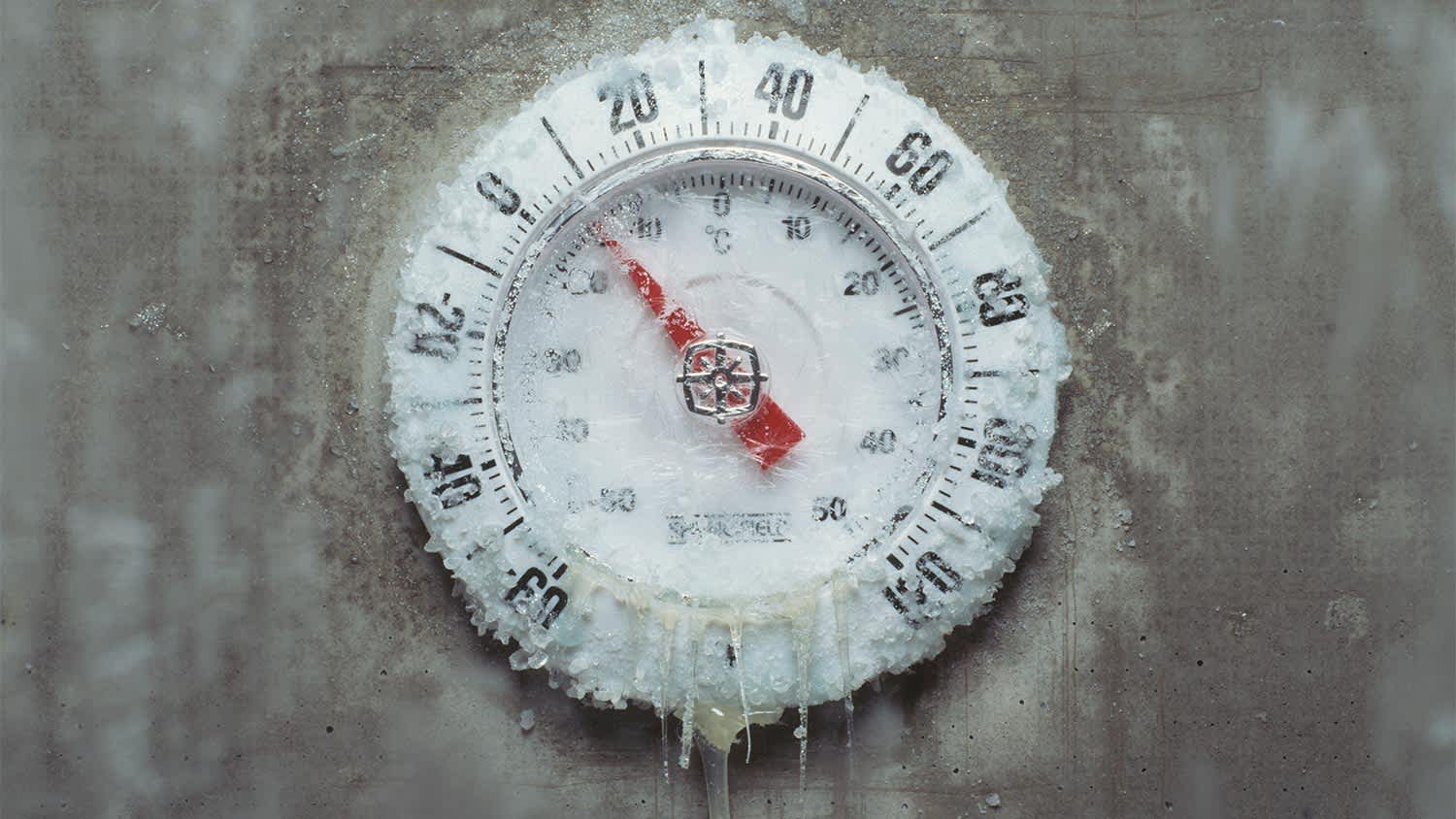
Worried your water heater might freeze this winter? Learn to spot the warning signs and how to safely thaw your tank or tankless system out if necessary.
Hybrid water heaters will have you weighing high initial costs versus long-term savings. Is it the right option for you? Explore the pros and cons of hybrid water heaters.
The average lifespan of water heaters is 6 to 15 years for conventional models and up to 20 for tankless ones, but it can be less if they are not properly maintained.