Groundworks is the North America's leading and fastest-growing foundation repair and water management solutions provider. Groundworks is a vertically integrated company with its own manufacturing operations and a world-class software solution, allowing us to serve our customers more effectively. From the first phone call to the annual maintenance offered, our customers have peace of mind knowing we're there with one mission to repair, protect and improve their home. For state licenses visit Groundworks.com/licensing
Robinson Masonry, LLC, is your leading source for all things brick and stone! Give us a call today! We have been proudly offering the highest quality masonry work in the area for over three years, and would love to come out to your home and take on your next project.
"I only use James when I need some work done to my house. He responds fast, gets the work done quicker than just about anyone else I've ever used and seems very concerned with leaving his customers happy."
"I am very satisfied with the work. They were very accommodating with some changes and given the opportunity to re-negotiate the quote they stayed with the original. There were no surprise charges at the end of the job. The job required digging for the foundation wall and they replaced/removed the dirt and left the yard ready for seeding as indicated in the quote. I would hire them again."
No, you shouldn’t lay bricks directly on dirt. While it might seem like a shortcut, it leads to a patio that shifts, sinks, and becomes a maintenance headache. Dirt expands, contracts, and erodes—none of which mix well with long-term stability. To build something that lasts, excavate the topsoil, compact a layer of crushed gravel, and add a coarse sand-setting bed. This layered base gives your bricks proper support, allows drainage, and helps block weeds from creeping through. Cutting corners here just means you’ll spend more time—and money—repairing your brick patio later.
You should generally drill into the mortar joints when installing shutters on brick. Mortar is softer, which makes drilling easier and puts less strain on your tools. It also lowers the risk of cracking a brick—something that’s a lot harder to fix. Mortar holds fasteners well enough for standard shutters, and if you ever need to patch the holes later, it’s a much simpler job than dealing with damaged brick. Just keep in mind that if your mortar joints are too thin or the hardware calls for brick anchoring, you'll need to check the manufacturer’s recommendations and adjust accordingly.
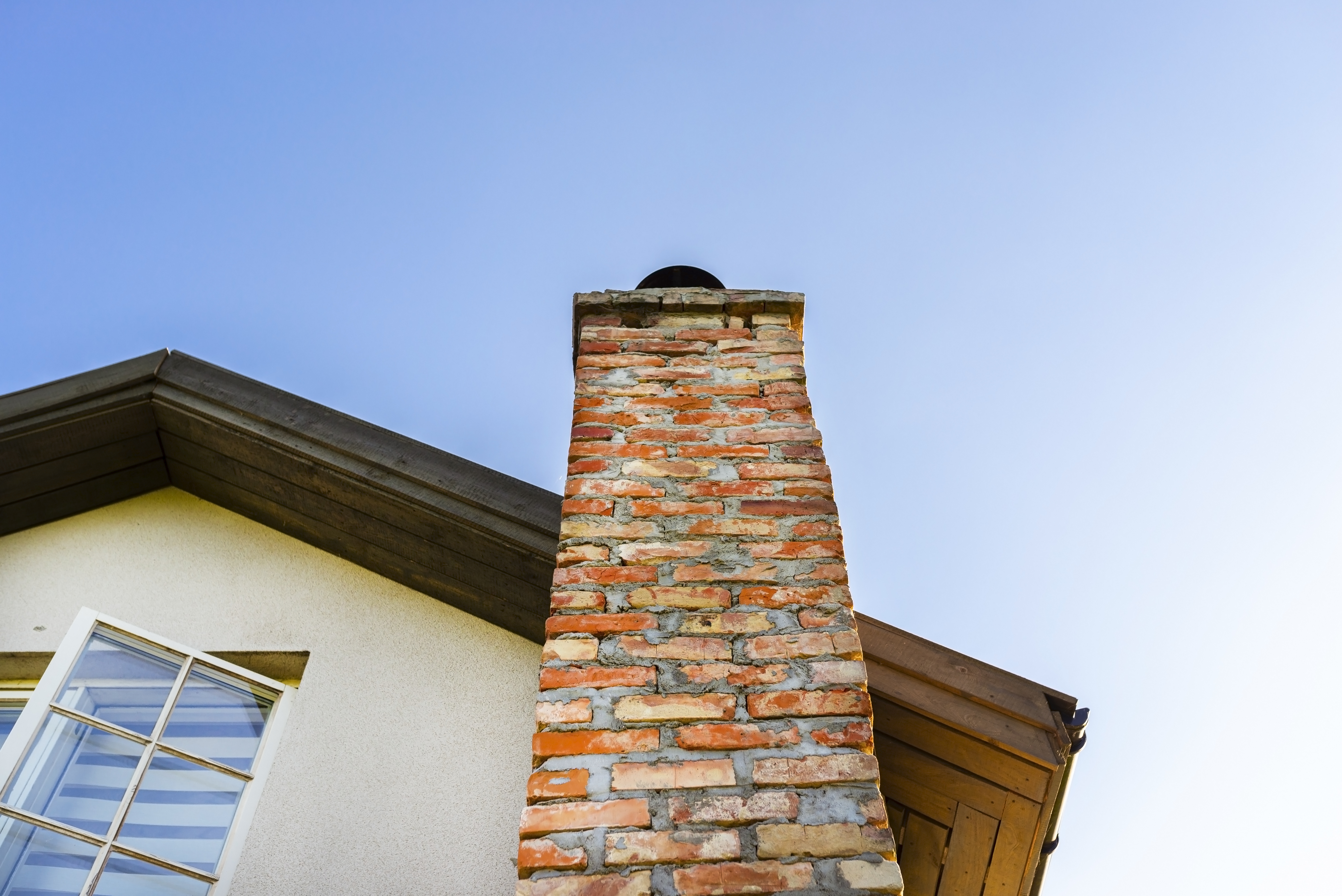
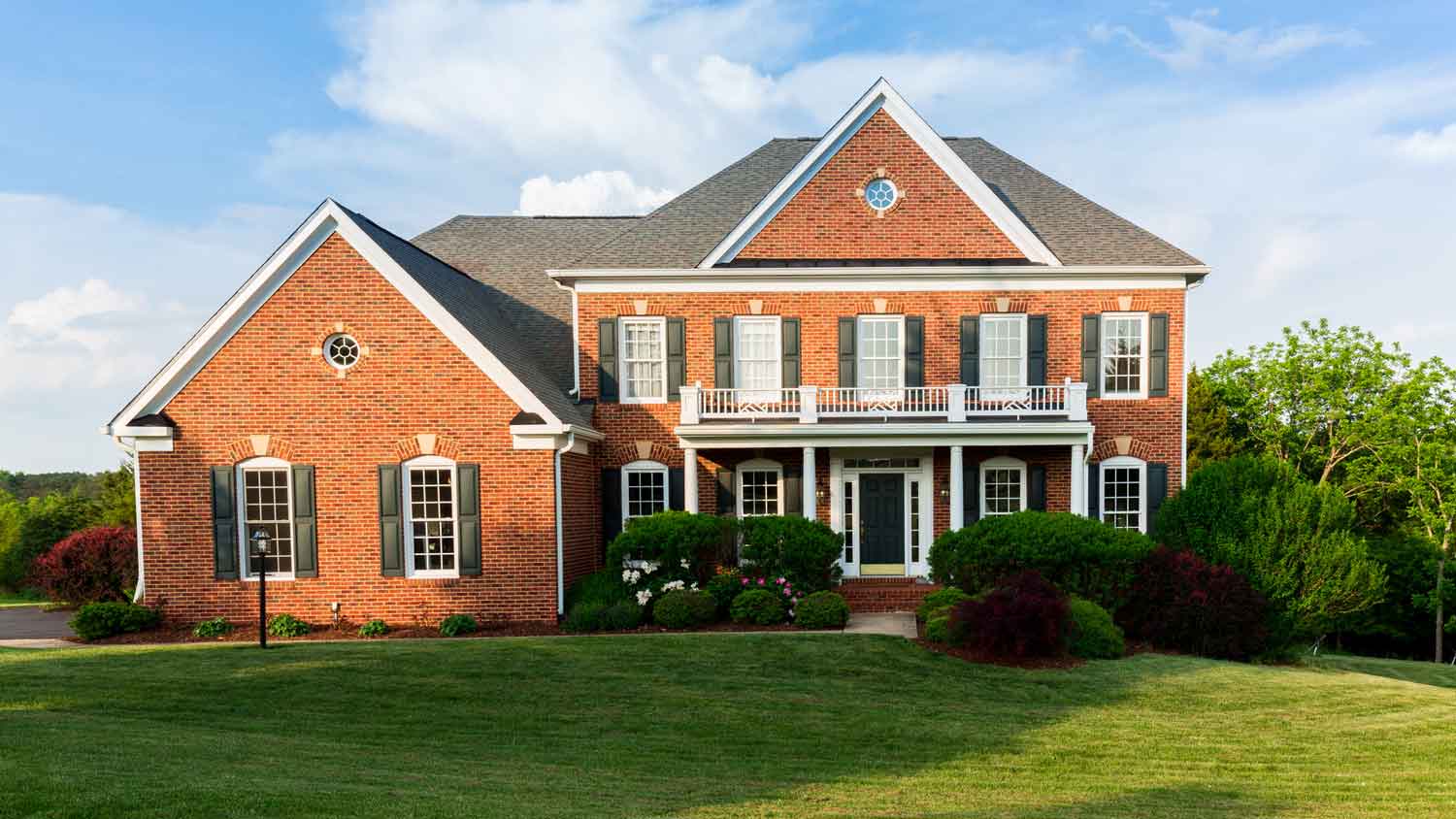
Brick and stone are durable, low-maintenance materials that offer excellent insulation, aesthetic appeal, and can increase property value.
The premise for painting a brick building is fairly simple: Prime the bricks to seal the surface and apply the top coat to protect your brick home. However, it’s easy to miss a few important steps if you’re starting from a raw brick surface and don’t know the basics of how to paint brick. So be sure to reach out to a local professional painter if you have any reservations about correctly painting your brick house.
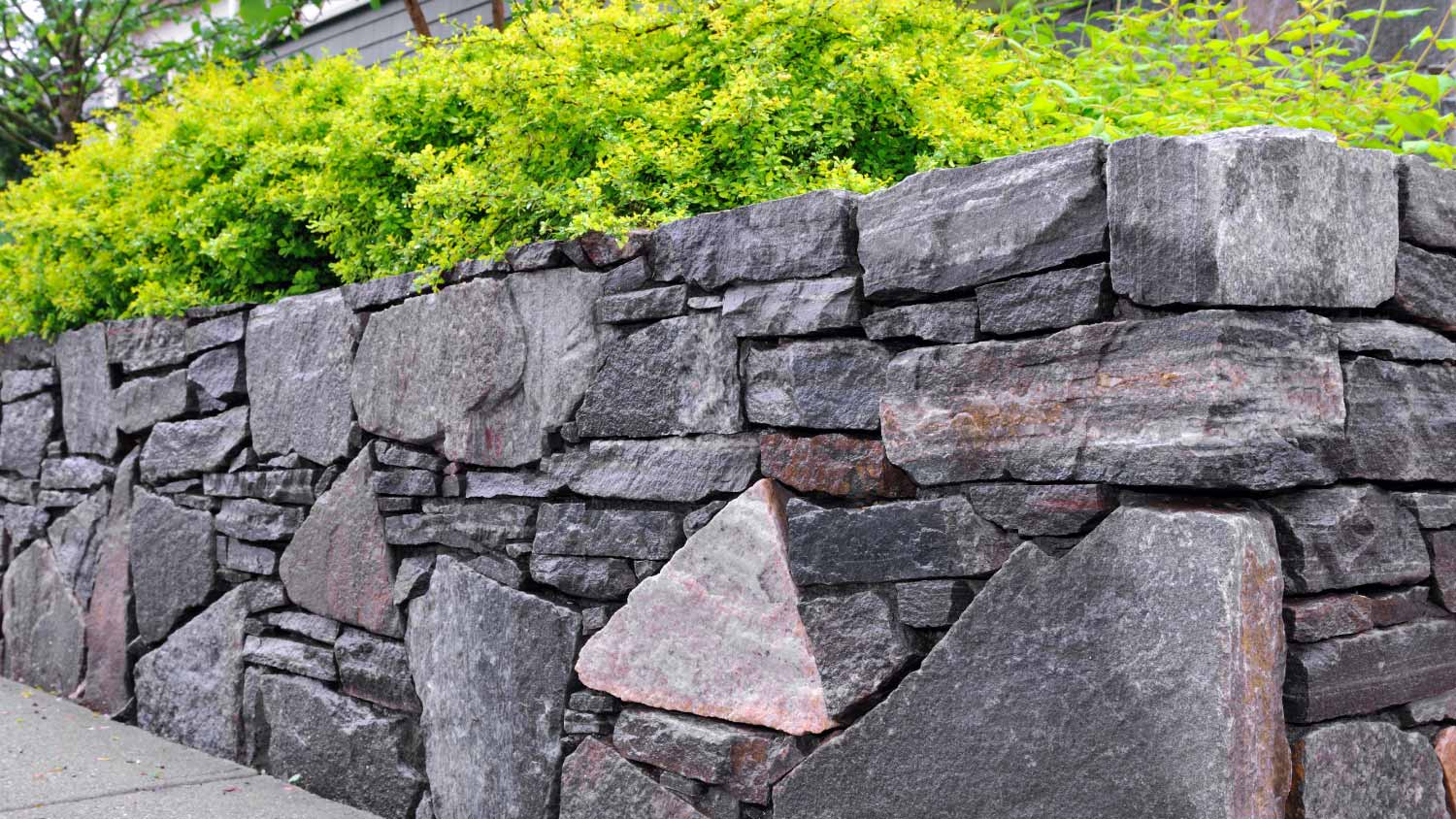
Always work with licensed and certified masons in your area when installing a stone wall or even a stone veneer. Just like all home designers, they should provide an impressive portfolio and offer a free estimate for the project. Pick the pro who fits your budget and schedule and, most importantly, helps you realize your landscape vision.
The Britton, SD homeowners’ guide to masonry services
From average costs to expert advice, get all the answers you need to get your job done.
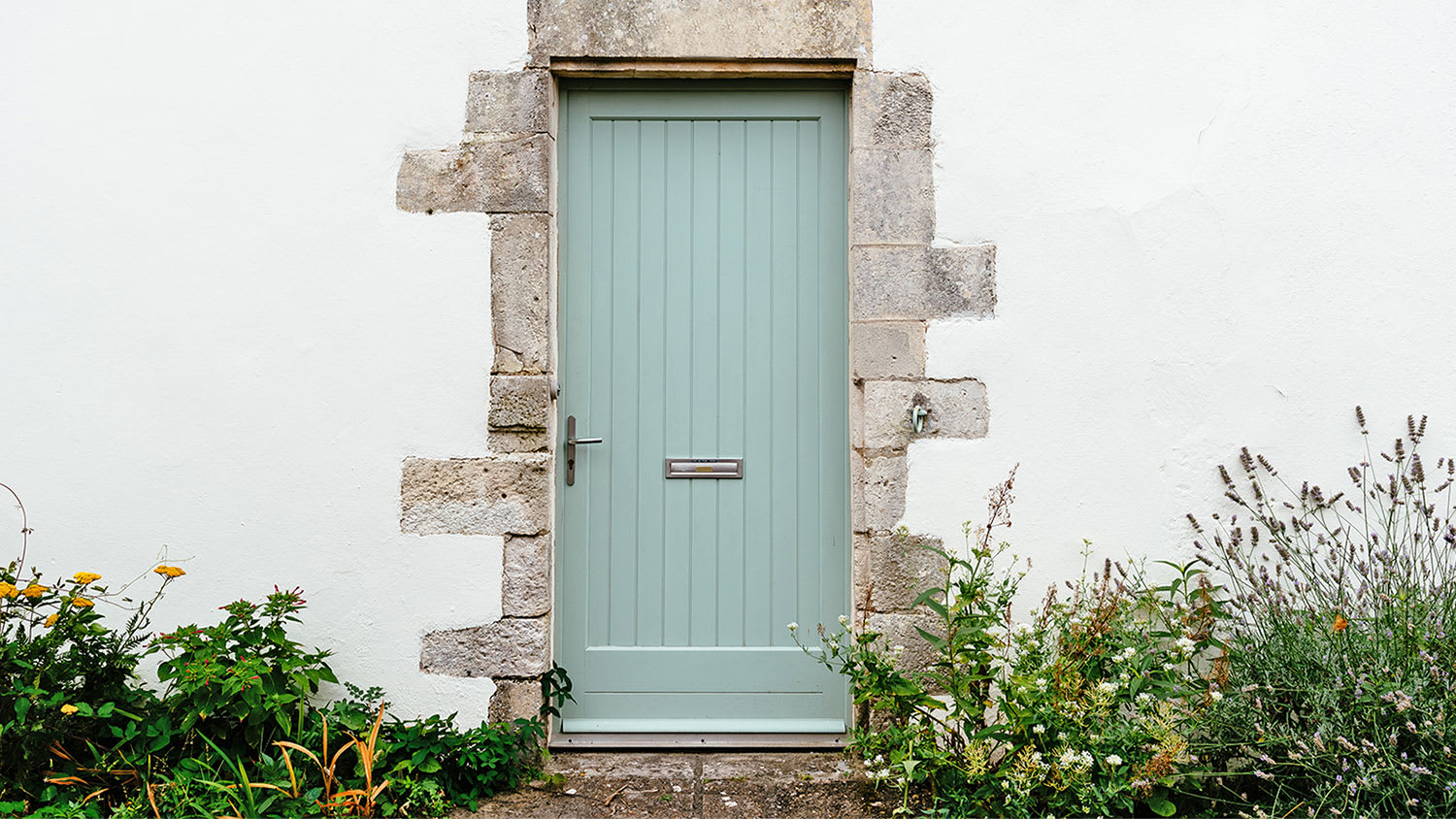
Door or window lintel replacement costs $400 on average, but there are ways you can save. On the other hand, complicated work will increase costs considerably.
Need to repoint brick in your home to make your home look fresh and new? Use this guide to repointing brick cost to price out your project before starting.
This guide features information on the costs to repair a brick wall, whether or not you need a brick mason to complete spalling, tuckpointing, or a full restoration.
Discover the wide variety of masonry materials for your next home upgrade project. Our guide covers the different types of materials to choose from and more.
When it comes to masonry versus concrete, it can be easy to confuse the two. Use this guide to learn about the differences in appearance, strength, and more.