
Top-rated concrete mudjacking pros.

Get matched with top concrete mudjacking pros in Avon, SD

Enter your zip and get matched with up to 5 pros

Need a pro for your concrete mudjacking project in Avon, SD?

Select your specific project to find the pro for you.

Find Concrete mudjacking pros in Avon

Avatar for Blackburn Foundation Repair, LLC
Blackburn Foundation Repair, LLC
4.6(
23
)

Serving Avon, SD and surrounding areas

Approved

In business since 1992

Free estimates

Warranties offered

"Excellent service! Pro was nice, easy to work with, professional! Never would have known he was here, he cleaned the working area so well! I would definitely recommend Blackburn Basement!!"
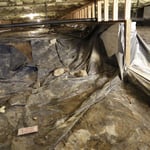
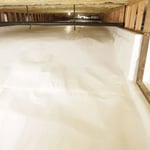
Crawl Space Repair
Crawl Space Repair
Response time1 day
91 neighbors recently requested a quote
Recommended by80%of homeowners
Avatar for NuVision Spray Foam Insulation
NuVision Spray Foam Insulation
5.0(
11
)

Serving Avon, SD and surrounding areas

Approved

In business since 2011

Free estimates

Small jobs welcome

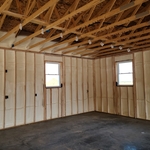
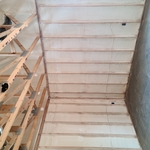
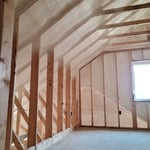
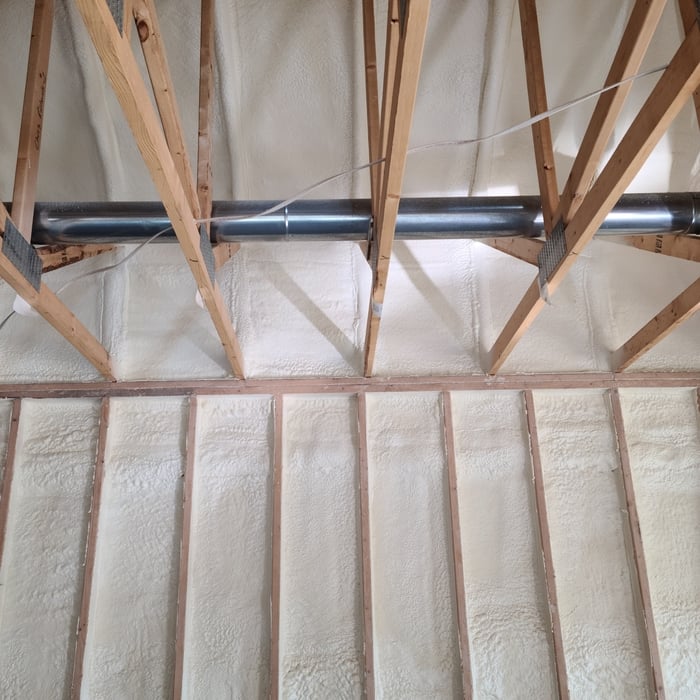
"They applied spray foam insulation in my attic space. I can now use this space for storage. The crew provided were very personable, they explained what the process works and how the project will go, and while on the job site they exhibited Professional behavior and worked cleanly. They took extra efforts to not track debris into my home."
Pole Shed
Spray Foam Insulation

+6

Response time3 days
22 neighbors recently requested a quote
Recommended by100%of homeowners
Concrete Mudjacking questions, answered by experts

Trenching and boring are two distinct methods for installing underground utilities. Trenching involves digging a channel using equipment like an excavator, trencher, backhoe, or shovel. While it is a simpler process, it causes significant disruption to the surface, landscaping, and surrounding ecosystems.

Boring, also known as directional boring, is a less invasive alternative that uses a drill to create a tunnel for utility lines without disturbing the surface. This method is more precise and is ideal for installations that need to go underneath buildings, roads, or bodies of water. Although boring is less disruptive, it is generally more expensive than trenching.

Generally speaking, push piers—or steel piers—are the best option for underpinning, as they reach down to solid bedrock to find support for your foundation rather than relying on soil, which could be subject to the same issues as the soil directly below your foundation. However, the best underpinning method for your home depends on your location, how far down the bedrock is, and the type of soil in your area. Helical piers are usually the best option for sandy soil or in areas where the bedrock is too deep to use steel piers.

A good slump height really depends on the project, but there is a use for nearly all slump levels. For example, low slumps are best in projects that require structure, such as curbs and roads. High slumps often require additional reinforcement, but they flow more freely into hard-to-reach spaces.

Concrete leveling is not typically covered by insurance. In some cases where the shifting concrete is caused by a natural disaster or storm, you may be able to file an insurance claim if your policy specifically covers those circumstances. In most cases, though, you’ll pay out-of-pocket for concrete leveling.

Most projects take 1-3 hours, with immediate usability after completion.

The Avon, SD homeowners’ guide to concrete mudjacking services

From average costs to expert advice, get all the answers you need to get your job done.