


Top-rated concrete mudjacking pros.

Get matched with top concrete mudjacking pros in Scotland, SD

Enter your zip and get matched with up to 5 pros

Need a pro for your concrete mudjacking project in Scotland, SD?

Select your specific project to find the pro for you.

Find Concrete mudjacking pros in Scotland

Avatar for NuVision Spray Foam Insulation
NuVision Spray Foam Insulation
5.0(
11
)
Concrete - Injection Leveling - MudjackingConcrete - Injection Leveling - Mudjacking - For Business

Serving Scotland, SD and surrounding areas

Approved

In business since 2011

Free estimates

Small jobs welcome

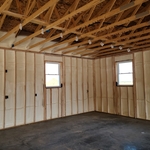
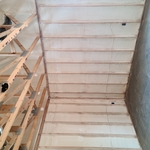
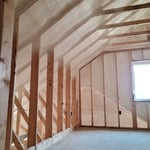
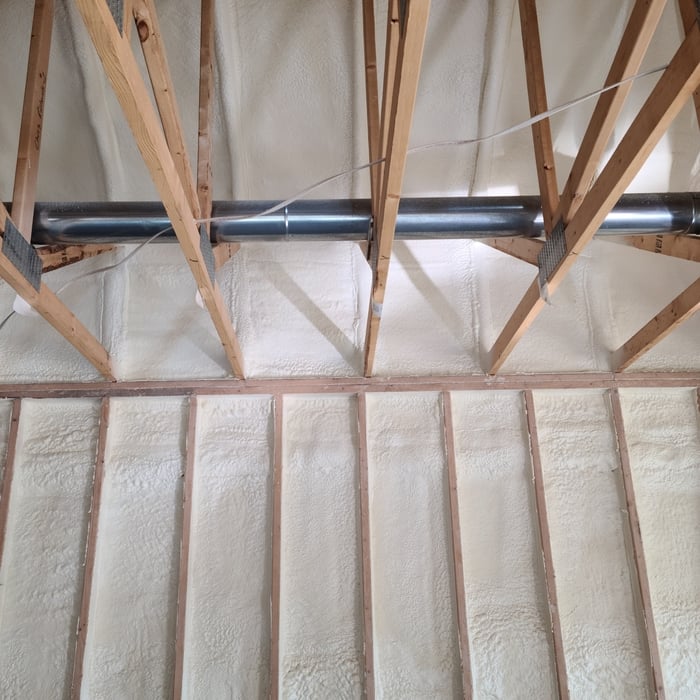
"They applied spray foam insulation in my attic space. I can now use this space for storage. The crew provided were very personable, they explained what the process works and how the project will go, and while on the job site they exhibited Professional behavior and worked cleanly. They took extra efforts to not track debris into my home."
Pole Shed
Spray Foam Insulation

+6

Response time3 days
22 neighbors recently requested a quote
Recommended by100%of homeowners
Concrete Mudjacking questions, answered by experts

The timeframe is generally a few hours, allowing for immediate use post-hydration, ensuring minimal disruption to surrounding activities.

It restores concrete, prevents replacement cost disruptions, reduces trip hazards, and provides stability at a lower cost.

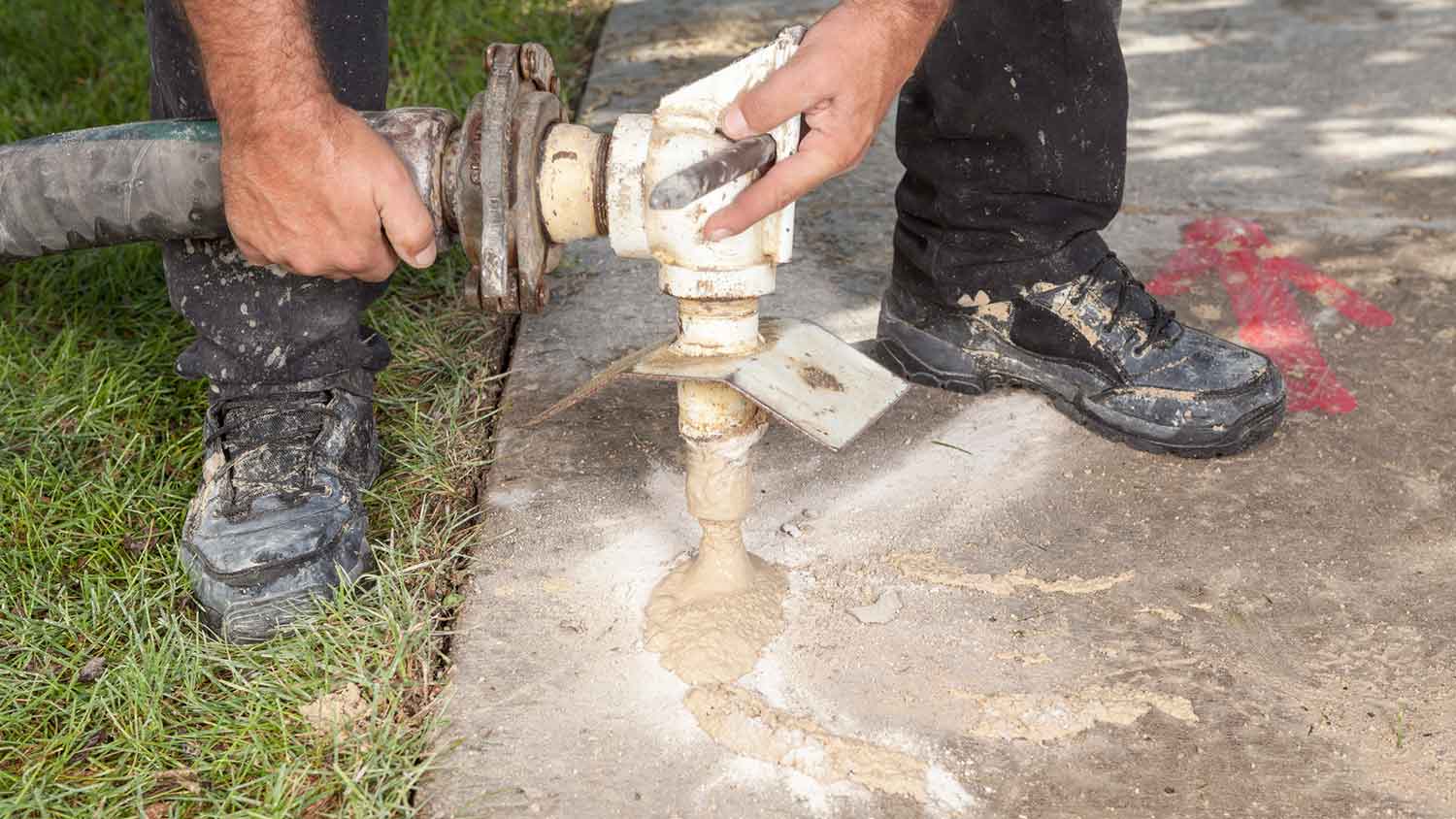
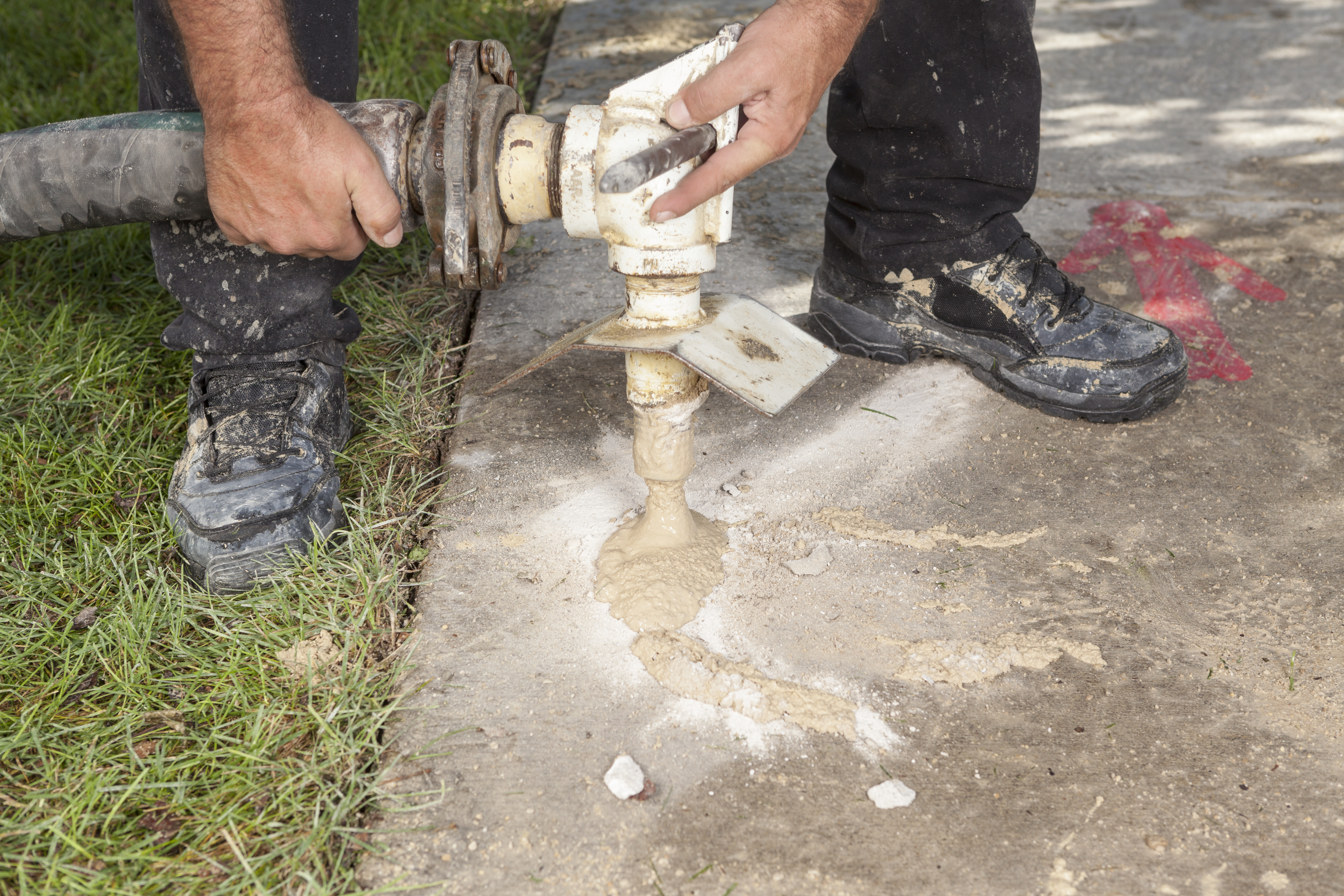
Mudjacking typically takes 24 to 72 hours (one to three days) to dry and cure completely before you can resume normal use. The exact time can vary depending on the size of the project. Because the slurry mixture contains cement, it must fully harden to ensure that added weight from walking, furniture, or vehicles won't shift the concrete slab. A professional contractor can advise you on when the surface is safe to use. For comparison, if you use polyjacking instead, the polyurethane foam can dry in just a few minutes, but it's best to wait about an hour before use.

Most houses are expected to settle over time, but foundation sinking of more than a few inches or uneven sinking of more than an inch for every 20 feet is cause for concern. Any significant or uneven sinking should be assessed by a professional to determine the cause and perform any necessary repairs. 

Generally speaking, push piers—or steel piers—are the best option for underpinning, as they reach down to solid bedrock to find support for your foundation rather than relying on soil, which could be subject to the same issues as the soil directly below your foundation. However, the best underpinning method for your home depends on your location, how far down the bedrock is, and the type of soil in your area. Helical piers are usually the best option for sandy soil or in areas where the bedrock is too deep to use steel piers.

The Scotland, SD homeowners’ guide to concrete mudjacking services

From average costs to expert advice, get all the answers you need to get your job done.