Ward Harlan Construction
Deck, Fence, Patio or Porch - Clean and Seal
Serving Armour, SD and surrounding areas
In business since 2013
Free estimates
Emergency services offered
"Customer is needing doors and windows."
Recommended by100%of homeowners
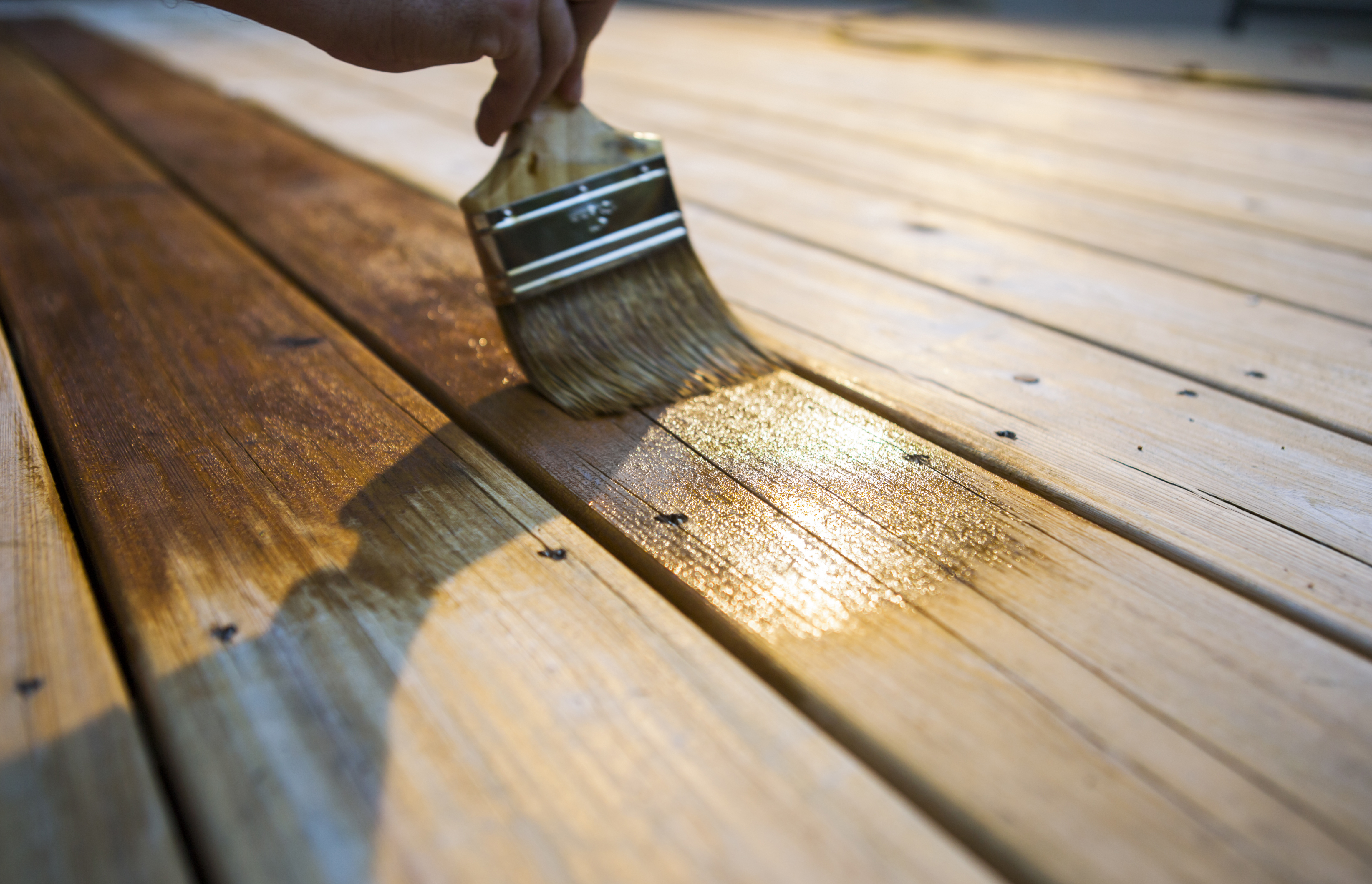
Serving Armour, SD and surrounding areas
In business since 2013
Free estimates
Emergency services offered
"Customer is needing doors and windows."
Serving Armour, SD and surrounding areas
Fence and Deck Restoration \n\n\nAt Dakota Petriwood we specialize in exterior wood care. Our restoration services include cleaning, and sealing outdoor structures such as fences, arbors, decks, and play sets.\n\nRestoring is the key to protecting the woods natural beauty and original form.\n\nBenefits of sealing your fence:\n\nWaterproofs Wood \nExtends Wood Life\nMold, Mildew, and Fungus Resistant \nPrevent Cracking and Splitting, Rotting\nPrevent Carpenter ants, and Termites\n\n(Not Sold in Stores)\n\nCall us at 605-951-0045 or visit www.dakotapetriwood.com
From average costs to expert advice, get all the answers you need to get your job done.
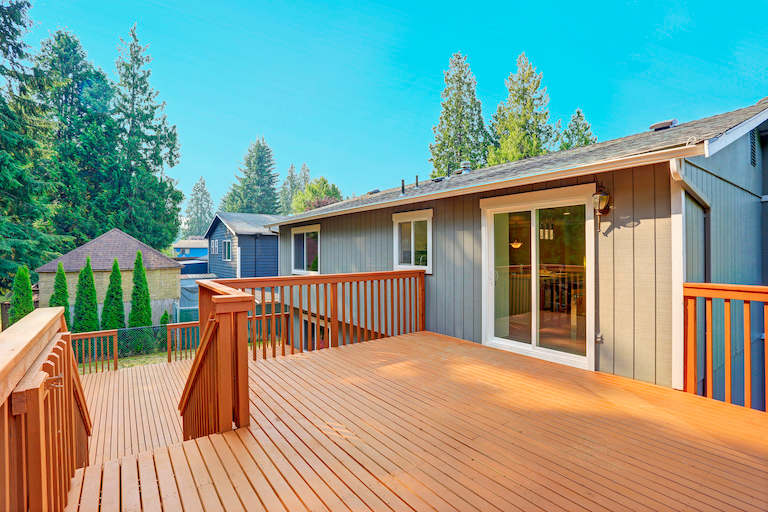
Refinishing your deck is a great way to restore its appearance and fall in love with your outdoor space. Use this guide to learn how much it costs based on factors like size and type.

The cost to pressure wash a deck depends on its size, condition, material, and whether you DIY the job. Help set your budget with this cost guide.
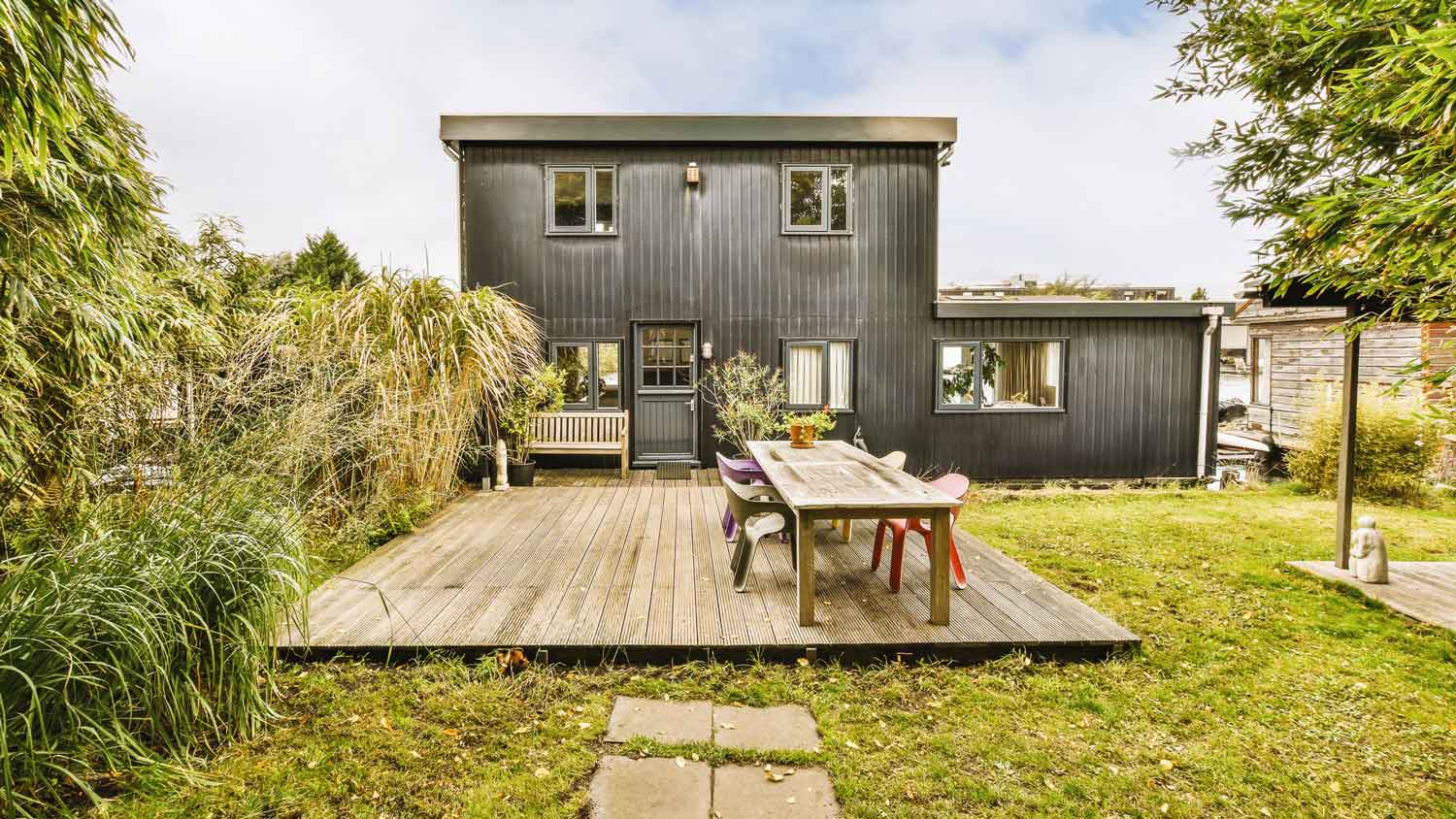
Cleaning your deck at least once a year boosts its durability and appearance. Learn how to clean decking, whether it's wood or composite.
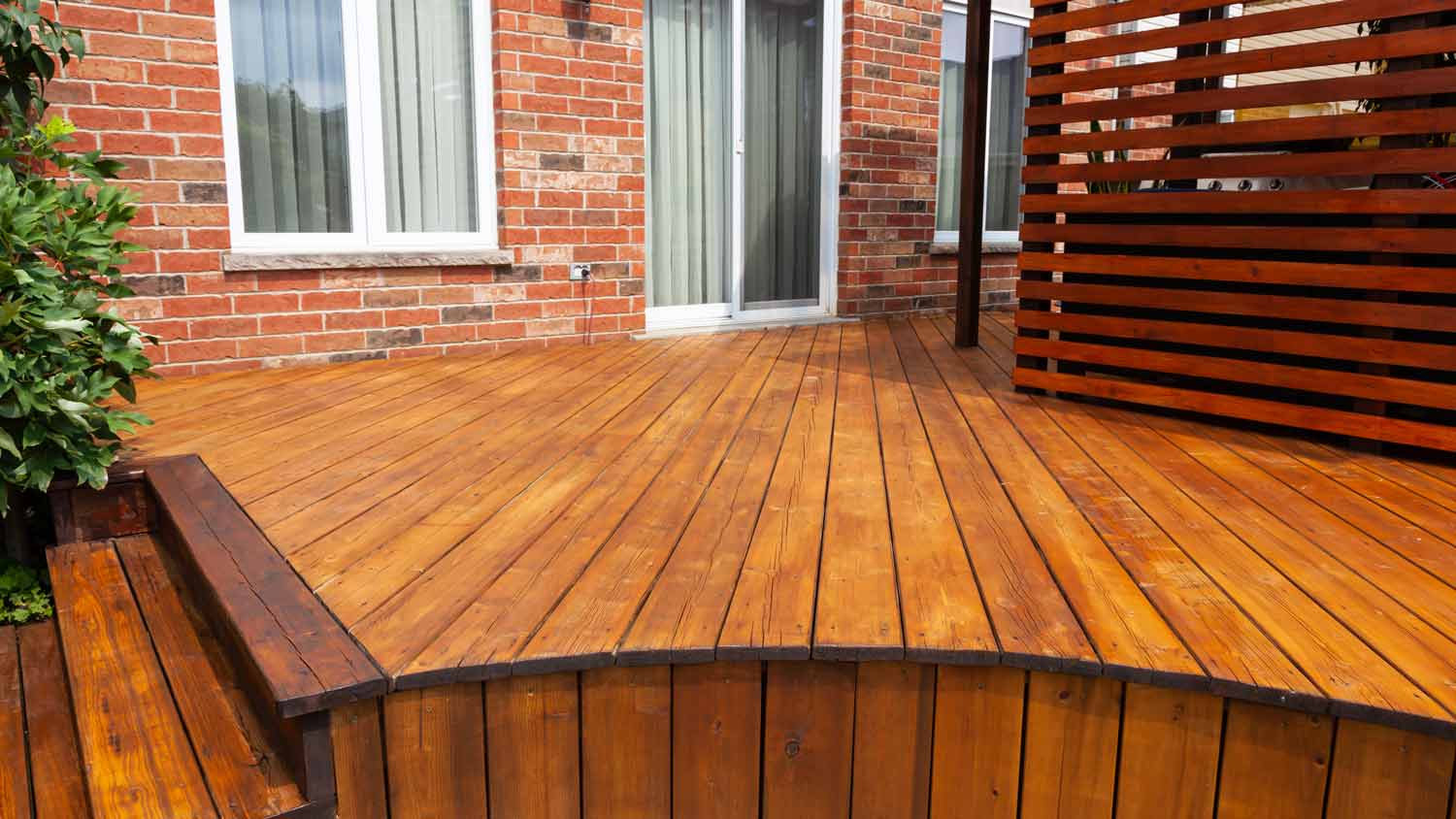
Learn how to clean a deck before staining to ensure long-lasting adhesion, weatherproofing, and optimum appearance of this coloring and protecting treatment.

Deck maintenance is vital to protecting a wooden deck. Cleaning, staining and sealing a deck after pressure washing will add years to its lifespan. Protect a deck by following these deck maintenance tips for cedar and other types of wood materials.

Knowing how to clean and seal a deck can help extend its life and keep it looking like new. This DIY guide sheds light on the best way to clean a wood deck.