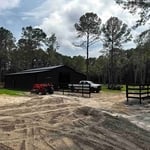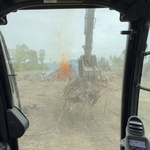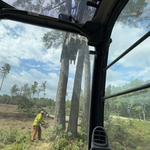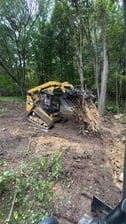







Top-rated excavation pros.

Best excavation pros near Dillon, SC

Enter your zip and get matched with up to 5 pros

Need a pro for your excavation project in Dillon, SC?

Select your specific project to find the pro for you.

Top-Rated Excavation pros in Dillon - Updated Nov 2026

Avatar for Charleston Landwork
Charleston Landwork
New to Angi
Building Site - Preparation and ClearingBuilding Site - Preparation and Clearing - For BusinessLandscape - Minor Grading or Resloping

Serving Dillon, SC and surrounding areas

Approved

Free estimates

Small jobs welcome

Credit card accepted

At Charleston Landwork, we specialize in providing top-notch site preparation services, including driveway grading, excavation, and all heavy equipment work needed to get your project started on the right foot. Whether you're building a new driveway, preparing land for construction, or need precise grading for drainage and leveling, we have the experience and equipment to deliver exceptional results.\n\nWith a team of skilled professionals and a fleet of state-of-the-art machinery, we ensure that your site is perfectly prepared for any project—on time and within budget. Our focus is on quality, precision, and safety, so you can trust that your land is in good hands.\n\nReady to get started? Let Charleston Landwork help you lay the foundation for success with our expert site preparation services.

Avatar for 4A Dirtwork
4A Dirtwork
New to Angi
Building Site - Preparation and ClearingLandscape - Minor Grading or Resloping

Serving Dillon, SC and surrounding areas

Approved

Free estimates

Emergency services offered

Small jobs welcome

I’m Hunter Stephens owner of 4A Dirtworks the name came from my 4 daughters all their names begin with A. I do every job like it is my own because every job is a reflection of me. Me and my guys are professional and respectful and always aim to please our customers.

House demo
House demo
...
Showing 1-10 of 71
Excavating FAQs, answered by experts

Excavation and grading are both generally necessary for designing your foundation, and leveling the ground where your foundation will go. These steps can also prepare the area by removing vegetation and anything else that could interfere with your home’s foundation.

In the United States, a depth of 36 inches (three feet) for underground water lines is the accepted industry standard. This depth varies from location to location based on local conditions. In areas with colder winters, they may be buried deeper to prevent frozen well water pipes : This is usually at least six inches below the frost level. The International Plumbing Code calls for a minimum of 12 inches below grade.

Most residential basements are 8 to 10 feet deep. You can dig deeper depending on building codes, but it does become more difficult. You’ll likely need to install stronger foundation walls and additional supports to handle the increased load. Depending on the water table, you may also need a water management system. Clay soil can support a deeper foundation than sandy soil. A structural engineer will be able to tell you the maximum, feasible depth.

If you have a broken sprinkler pipe underground, there will be some signs you can easily spot to locate it and take action. These include leaks, water spouts, flooding, consistently damp areas on your lawn, low water pressure, and grass around the sprinkler head that’s taller and darker than anywhere else in the yard. 

If there are no obvious signs of a broken pipe, you can use tools such as water leak mics, leak noise loggers, audio devices that record leaks, and acoustic testing links. 

Broken pipes can lead to uneven watering, plant damage, and higher utility bills. The longer you wait to fix them the more the repair cost may be.

The best way to protect tree roots is to avoid the roots entirely by excavating outside the root radius of the tree. For nearby projects, it’s a good idea to construct a temporary retaining wall. But that’s not always possible, depending on the project and the root system. In these cases, consider using alternative equipment like an auger to tunnel under the ground.

Remember, tree roots can damage nearby cement foundations as they grow. If a tree is close enough to interfere with large excavations, it may be better to remove the tree than risk future problems.

The Dillon, SC homeowners’ guide to excavation services

From average costs to expert advice, get all the answers you need to get your job done.