





Top-rated generator install pros.

Get matched with top generator install pros in Cross Hill, SC

Enter your zip and get matched with up to 5 pros

Need a pro for your generator install project in Cross Hill, SC?

Select your specific project to find the pro for you.

Find Generator install pros in Cross Hill

Avatar for Cagen Electric, LLC
Cagen Electric, LLC
4.7(
6
)
Fixed Generator - InstallPortable Generator - Install

Serving Cross Hill, SC and surrounding areas

In business since 2025

Free estimates

Credit card accepted

"Spencer Cagen is very professional and honest. He finished my project which could cost more than $1600 from another company for a little over $200. I strongly recommend his service and will hire him again for home project next time."
Response time7 hrs
Avatar for THE LEGACY ELECTRIC SERVICES OF THE UPSTATE INC
THE LEGACY ELECTRIC SERVICES OF THE UPSTATE INC
5.0(
2
)
Fixed Generator - Install

Serving Cross Hill, SC and surrounding areas

In business since 2024

Free estimates

Credit card accepted

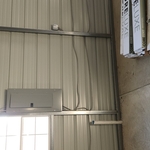
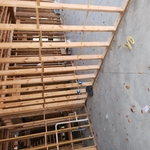
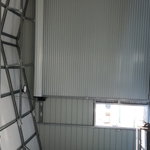
We offer over 30 years of experience in the electrical industry. We take on a wide range of electrical projects to include full installation for additions and remodels as well as wiring and panel upgrades and a variety of other jobs. We're committed to providing a personalized service for each individual project we take on & look forward to building strong, long-term relationships with our clients and guarantee your satisfaction.

My jobs
My jobs
My jobs
My jobs
My jobs

+7

Response time10 mins
Response rate100%
Recommended by100%of homeowners

Clark Electric Service, Inc.
1.0(
1
)
Fixed Generator - InstallGenerator - Install - For BusinessGenerator - Repair - For Business+1 more

Serving Cross Hill, SC and surrounding areas

In business since 1996

Credit card accepted

We have the experience and commitment to provide quality workmanship and superior customer service on all our applications. We strive to maintain our reputation as a high quality, very service oriented company, with our main focus being customer satisfaction.

Response time5 days
Fincher Electric Construction LLC
1.0(
1
)
Fixed Generator - InstallGenerator - Install - For BusinessGenerator - Repair - For Business+2 more

Serving Cross Hill, SC and surrounding areas

In business since 1996

Free estimates

Credit card accepted

We offer over 24 years of experience the electrical industry. We take on a wide range of electrical projects to include full installation for additions and remodels as well as wiring and panel upgrades and a variety of other jobs. We're committed to providing a personalized service for each individual project we take on & look forward to building strong, long-term relationships with our clients and guarantee your satisfaction.

Response time2 hrs
Showing 1-10 of 13
Generator Install questions, answered by experts

With proper maintenance, a whole-house generator can last between 20 and 40 years. The specific lifespan depends on how often and for how long the generator is used, and some models may have their life expectancy rated in hours of operation. To maximize its lifespan, expect to spend around $150 to $300 per year for annual maintenance checks from a qualified technician. During these checks, a technician will inspect the engine filter, starting mechanism, fuel, lubrication, and coolant levels. Consulting your installer and choosing a low-impact fuel like natural gas or diesel can also help ensure your generator lasts as long as possible.

The amount of time a standby generator can run continuously is around 3,000 hours on average. However, standby generators can generally run indefinitely as long as they have a continuous fuel supply. Generators hooked up to a home’s natural gas supply are the best option for extended usage, as these won’t rely on a finite fuel supply based on how much you have in storage. Generators running on liquid propane or diesel won’t last as long, as these require fuel storage and regular refueling to stay running.

The cost to install a whole-house generator averages $5,200, with a typical price range of $1,500 to $8,900. However, total costs can vary from $400 for a small portable unit to over $18,000 for a large-capacity system. The most significant cost factor is the generator's size and capacity, but other variables include the brand, fuel type, and labor for assembly and installation.

Generator costs can be broken down by type:

  • Portable or Emergency Backup Generators (1kW–7.5kW): $500 to $2,000

  • Partial-Home Generators (9kW–20kW): $2,000 to $6,500

  • Whole-House Generators (22kW–48kW): $5,000 to $18,000

To avoid paying for more power than you need, consider hiring an electrician to calculate the electrical load for your essential appliances. It is also recommended to get at least three quotes to find the best deal for your specific needs and budget.

No, you should never plug a generator directly into a wall outlet in your house. This practice is extremely dangerous, often illegal, and can cause "back-feeding," where power from the generator flows back into utility lines, creating a life-threatening hazard for utility workers. It can also damage your home's electrical system, including appliances like pumps and HVAC fans. If the main power is restored while the generator is connected, it can destroy the generator and cause an electrical fire. To safely connect a generator, you must use a professionally installed transfer switch or an interlocking kit, which prevents back-feeding by disconnecting your home from the utility grid before the generator provides power.

To determine the right size generator for your house, you should calculate the total wattage of the appliances and devices you want to power during an outage. List all essential items, note their start-up wattages, and add them together.

Here are some typical wattage requirements for common appliances:

  • Refrigerator: 600 watts

  • Large dehumidifier: 700 watts

  • Large window air conditioner: 1,400 watts

  • Water heater: 3,000 to 4,500 watts

  • Electric furnace: 5,000 to 25,000 watts

A 7,500-watt generator might be sufficient for essentials like a refrigerator, freezer, well pump, and lighting circuits. However, for high-demand items like a water heater or furnace, a whole-home generator is a better choice. A portable generator may be enough if you only need to power a few critical items.

While home square footage can offer a rough estimate, it is not always a reliable indicator. For reference, here are some typical generator sizes based on square footage:

  • 1,000 sq ft: 6–9 kW

  • 1,500 sq ft: 7–10 kW

  • 2,000 sq ft: 10–14 kW

  • 2,500 sq ft: 12–16 kW

  • 3,000 sq ft: 16–20 kW+

For the most accurate sizing, consult a professional who can calculate your home's peak and average power consumption and recommend the optimal generator.

The Cross Hill, SC homeowners’ guide to generator installs

From average costs to expert advice, get all the answers you need to get your job done.