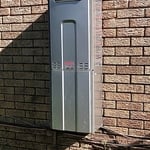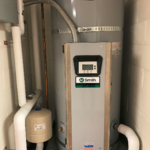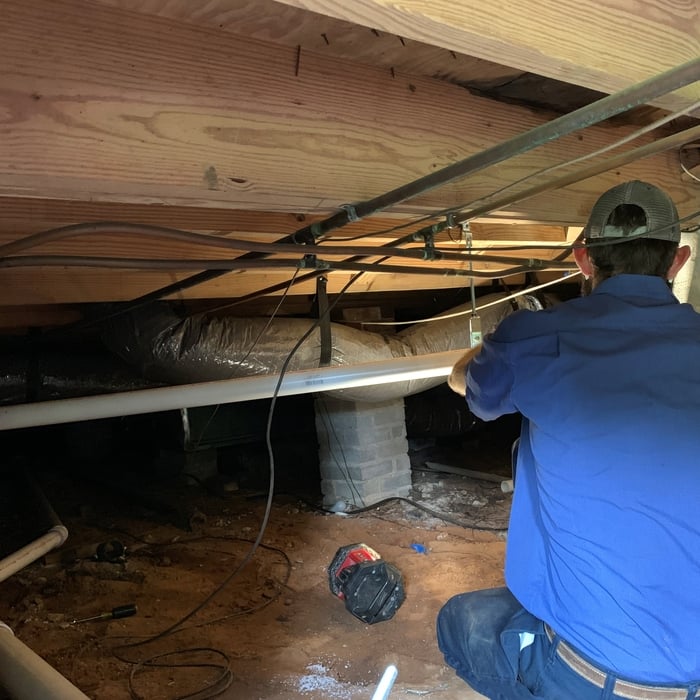




Top-rated boiler installation pros.

Best boiler installation pros near Camden, SC

Enter your zip and get matched with up to 5 pros

TRUSTED BY CAMDEN, SC HOMEOWNERS

  • Average homeowner rating star icon4.5
    Average homeowner rating
  • Verified reviews icon98
    Verified boiler installation services reviews

Top-Rated Boiler installation pros in Camden - Updated Nov 2026

Avatar for E F Martin Mechanical Contractors Inc
E F Martin Mechanical Contractors Inc
4.7(
157
)
Oil Boiler or Radiator Heating System - InstallOil Boiler or Radiator Heating System - Install - For Business

Serving Camden, SC and surrounding areas

Approved

In business since 1976

Free estimates

Emergency services offered

"Service Tech was on time, professional, courteous, and efficient. He found a small part that needed repairing so I'm sure that will keep me cool this coming summer. E F Martin has always been a cut above the rest and it shows in all they do. Thanks!!"
UV Thermal Solar Panel
Comfort Control On the Go
Innovative Equipment
HVAC Equipment
UV Thermal Solar Panel

+2

Response time8 hrs
Response rate100%
10 neighbors recently requested a quote
Avatar for HIS Heating and Cooling of the Midlands
HIS Heating and Cooling of the Midlands
4.6(
19
)
Boiler or Radiator Heating System - Install or ReplaceElectric Boiler or Radiator Heating System - InstallGas Boiler or Radiator Heating System - Install+3 more

Serving Camden, SC and surrounding areas

In business since 2016

Free estimates

Emergency services offered

"He was very productive and professional. Very knowledgeable about the work that was required. Mr. Williams displayed a very focused and driven demeanor to resolve all issues. Recommendations will be given to all my contacts. He is known to be a Covid-19 Frontline Contractor. I could not Breathe! Mr. Williams showed up when no one else would.THANK YOU SO MUCH."
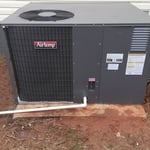
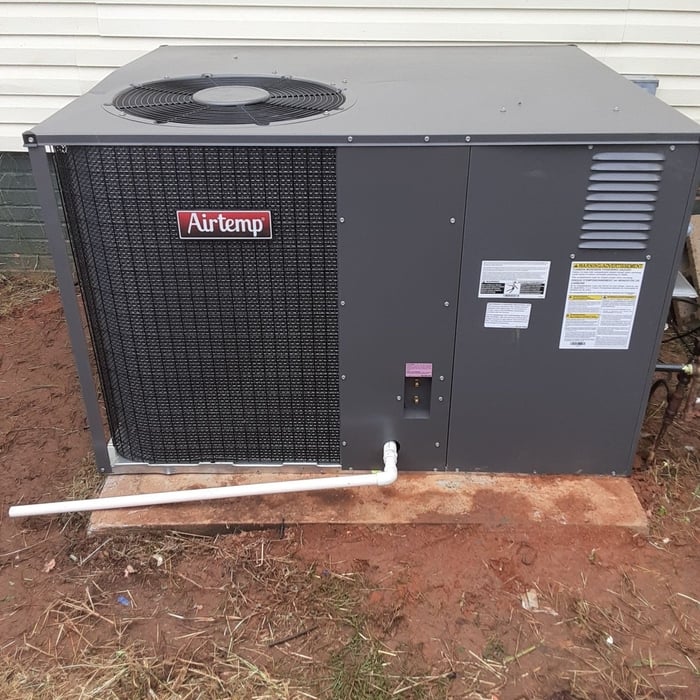
3.5 Ton Airtemp Gas Package System Installation
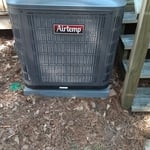
2 ton Airtemp Heatpump Condenser Installation
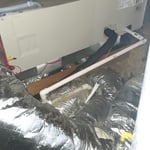
2 ton Airtemp airhandler 5kw heatstrips Installation
Additional Photos
Additional Photos

+29

Recommended by94%of homeowners
Showing 1-10 of 33
Install Boiler FAQs, answered by experts

An HVAC system typically lasts between 10 and 30 years, with an average lifespan of 15 to 25 years. The longevity of the system is influenced by factors such as the quality of the unit, usage frequency, local climate, and how well it is maintained. Regular maintenance, including cleaning, filter replacements, and professional inspections, can help maximize its lifespan. Different components within the system have varying life expectancies. For example:

  • Furnaces: 15 to 30 years

  • Boilers: 20 to 35 years

  • Air Conditioners (AC units): 12 to 20 years

  • Heat Pumps: 10 to 20 years

  • Ductless Mini-Splits: 10 to 30 years

It takes about five to 10 minutes for heat to reach a radiator, then about one hour until the radiator fully heats up a room. The exact duration depends on the size of the room and how far away the radiator is from the boiler heating system. Heating up an entire house could take up to two hours.

Since your boiler keeps you warm and provides hot water to your home, you’re likely to notice issues with heating in your living space right away. The most obvious sign that your boiler is breaking is not getting any heat or hot water. You might also hear some odd sounds coming from your boiler during operation, the flame in your gas boiler is not blue, the pressure is inconsistent, or your boiler is using more energy than it should. If you notice any of these signs, be sure to call a pro right away.

All modern boilers are condensing boilers because they’re the most efficient type. Instead of extra heat leaving through the flue, these boilers trap the heat and use it to heat the house. Whether you choose a combi boiler, system boiler, or regular boiler, you can opt to get a condensing system. If you have an old boiler that’s not a condensing boiler, it’s a good idea to get an upgrade.

Generally, an oil furnace is considered safer than a gas furnace for several reasons. While both types of furnaces can produce carbon monoxide, a leak in an oil furnace is easier to detect due to the smell. Oil furnaces also don't connect to a gas pipeline, which reduces the chance of a fuel leak. Most importantly, heating oil is not combustible, whereas natural gas is highly flammable. This means there is a much lower risk of combustion or explosion with an oil furnace. However, an oil furnace can still pose a fire hazard if it tips over.

The Camden, SC homeowners’ guide to boiler installation services

From average costs to expert advice, get all the answers you need to get your job done.