
Top-rated radon detection and reduction specialists.

Get matched with top radon detection and reduction specialists in West Springfield, PA

Enter your zip and get matched with up to 5 pros

Need a pro for your radon detection and reduction project in West Springfield, PA?

Select your specific project to find the pro for you.

Find Radon detection and reduction specialists in West Springfield

Avatar for Ohio Radon Testing and Mitigation Company
Ohio Radon Testing and Mitigation Company
5.0(
6
)
Radon Gas - AbatementRadon Gas - Testing

Serving West Springfield, PA and surrounding areas

In business since 2020

Free estimates

Emergency services offered

"These guys are FANTASTIC! Extremely knowledgeable and taught us so much about the dangers of high radon levels in your home... I'm so glad we had them test for it - our levels were dangerously high and we had no idea! Very professional, informative, and always on time. And they were able to accommodate my crazy schedule! I'd highly recommend the Ohio Radon and Mitigation Company to anyone for peace of mind knowing that your family is safe from this silent danger. Thanks guys!"
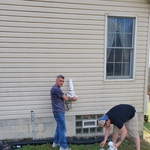
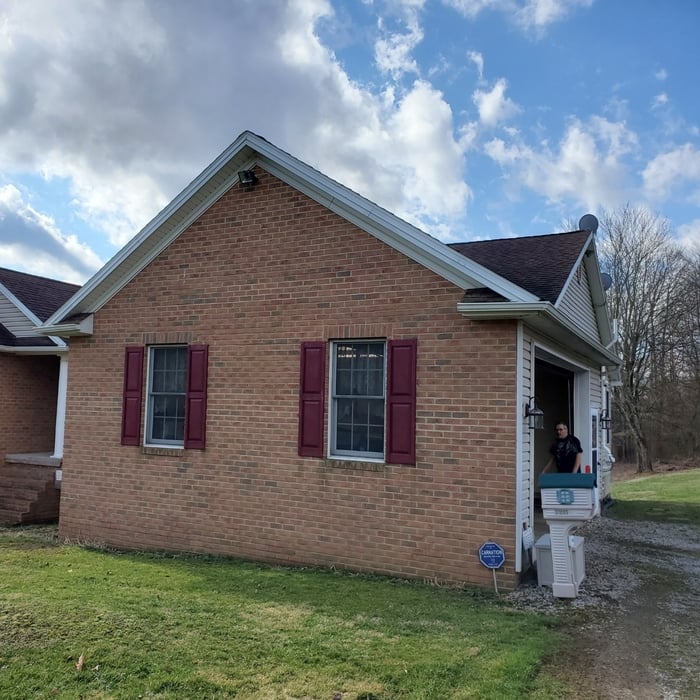
Mitigation Install
Mitigation Install
Mitigation Install
Mitigation Install
Mitigation Install

+1

Recommended by100%of homeowners
Radon Detection and Reduction questions, answered by experts

The average radon mitigation system uses about 876 kWh of electricity per year, although the exact amount of electricity used will vary depending on the size of the radon fan. Once the system is installed, the annual increase to your energy bill could range from $30 to $300 per year, again depending on the size of the fan.

No, radon mitigation systems do not decrease home value or make a home harder to sell. In areas where homes experience similar radon exposure risks, a radon mitigation system is viewed as an improvement. Potential homebuyers often opt to buy a home with a radon mitigation system already installed to reduce the risk of cancer for their families.

The fan that pulls the radon out of the air needs to run continuously, so you may see an increase in your electric bill once you install the mitigation system. Additionally, you may see an increase in your heating or cooling bills, as the fan can cause some loss of hot or cool air.

The cost to replace a radon fan ranges from $300 to $600 for the fan itself, with installation adding an additional $200 to $500. Overall, the total cost for replacement can range from $500 to $1,100, depending on factors such as the fan model, home size, and local labor rates. If the fan is part of a larger radon mitigation system, the price may be higher.

A homeowner can install a radon mitigation system on their own. But it’s a challenging DIY that requires a lot of knowledge about radon mitigation as well as familiarity with local regulations. You do not want to risk an improper installation that leaves the system unable to detect radon or gives it a shortened life span. Relying on a professional is the surest way to guarantee a successful installation.

The West Springfield, PA homeowners’ guide to radon detection and reduction services

From average costs to expert advice, get all the answers you need to get your job done.