
Top-rated excavation pros.

Get matched with top excavation pros in West Point, PA

Enter your zip and get matched with up to 5 pros

Need a pro for your excavation project in West Point, PA?

Select your specific project to find the pro for you.

TRUSTED BY WEST POINT, PA HOMEOWNERS

  • Average homeowner rating star icon4.7
    Average homeowner rating
  • Verified reviews icon32
    Verified excavation services reviews

Find Excavation pros in West Point

Avatar for A & Y Landscaping & Tree Services LLC
A & Y Landscaping & Tree Services LLC
4.7(
84
)
Landscape - Minor Grading or Resloping

Serving West Point, PA and surrounding areas

Approved

In business since 2019

Free estimates

Emergency services offered

We invite you to experience a tradition of customer satisfaction that will exceed your greatest expectations. Our professionalism and quality workmanship will accurately reflect your taste and lifestyle. From conception to completion, we work with you until the job is done. We are ethical, honest, and easy to communicate with. \n\nCall us today you'll be pleased you did. Thank you

4 neighbors recently requested a quote
Recommended by88%of homeowners
Avatar for Pana Landscaping LLC
Pana Landscaping LLC
4.7(
52
)
Landscape - Minor Grading or Resloping

Serving West Point, PA and surrounding areas

Approved

In business since 1983

Free estimates

Credit card accepted

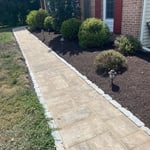
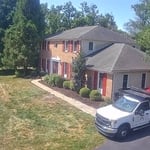
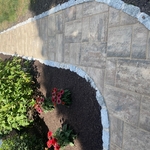
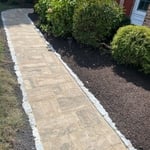
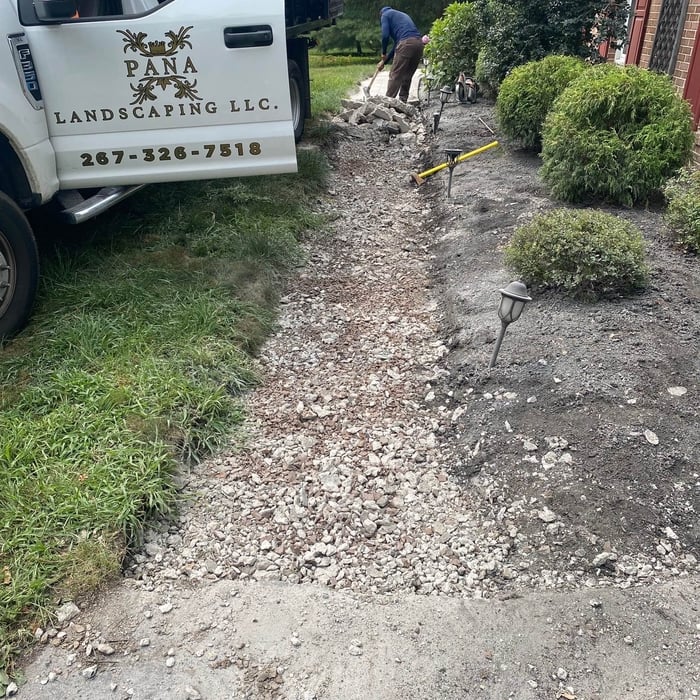
"Dan at Pana Landscaping was a pleasure to work with. He listened to what we wanted. Ten dying bushes were removed and were replaced with beautiful new ones . The bordering Belgian blocks finished the work perfectly. We highly recommend Pana Landscaping."
Completed walkway
Aerial walkway view
Completed walkway
New Walkway Isntallation
Before photo

+10

81 neighbors recently requested a quote
Recommended by35%of homeowners

Reinerts Earthworks
New to Angi
Building Site - Preparation and Clearing

Serving West Point, PA and surrounding areas

Approved

In business since 2020

Free estimates

Credit card accepted

We take great pride in our experience, expertise, quality, and customer service that we provide to meet the consumer's needs. It is our mission to provide excellent workmanship and complete customer satisfaction from start to completion of a project. In order to understand the needs and expectations of our customers, we take great care to work and communicate with every customer in a professional manner. Our reputation is based on service, safety, and quality, regardless of how large or small the job.\n

Response time2 days
...
Showing 1-10 of 173
Excavating questions, answered by experts

Most residential basements are 8 to 10 feet deep. You can dig deeper depending on building codes, but it does become more difficult. You’ll likely need to install stronger foundation walls and additional supports to handle the increased load. Depending on the water table, you may also need a water management system. Clay soil can support a deeper foundation than sandy soil. A structural engineer will be able to tell you the maximum, feasible depth.

Sewer lines can be buried anywhere from 18 inches to 8 feet deep, with a common average depth between 18 and 30 inches. The exact depth depends on local factors like climate and soil type. In colder regions, pipes must be buried deeper (below the frost line) to prevent freezing, sometimes as deep as 8 feet. The digging depth can also impact the cost of sewer line replacement. To find the specific depth for your property, you can check the building plans for your system, which should be on file with your city or local sanitation department since permits are required for installation.

Trenchers can dig holes as narrow as 4 inches or as wide as 4 feet. Check the specifications of the trencher you rent or buy to determine how wide it will cut into the landscape. Better yet, let the excavation company know how wide you’d like the trench to be, and they can help you choose the right trencher for the job (or do it for you).

Directional drilling is complex and requires training to use the advanced machinery. It can be challenging to monitor the position of the drill since there’s no direct line of sight. Directional drilling can also be more expensive with a cost of $10 to $30 per linear foot compared to $5 to $12 per linear foot for trenching. 

In the United States, a depth of 36 inches (three feet) for underground water lines is the accepted industry standard. This depth varies from location to location based on local conditions. In areas with colder winters, they may be buried deeper to prevent frozen well water pipes : This is usually at least six inches below the frost level. The International Plumbing Code calls for a minimum of 12 inches below grade.

The West Point, PA homeowners’ guide to excavation services

From average costs to expert advice, get all the answers you need to get your job done.