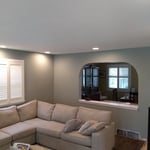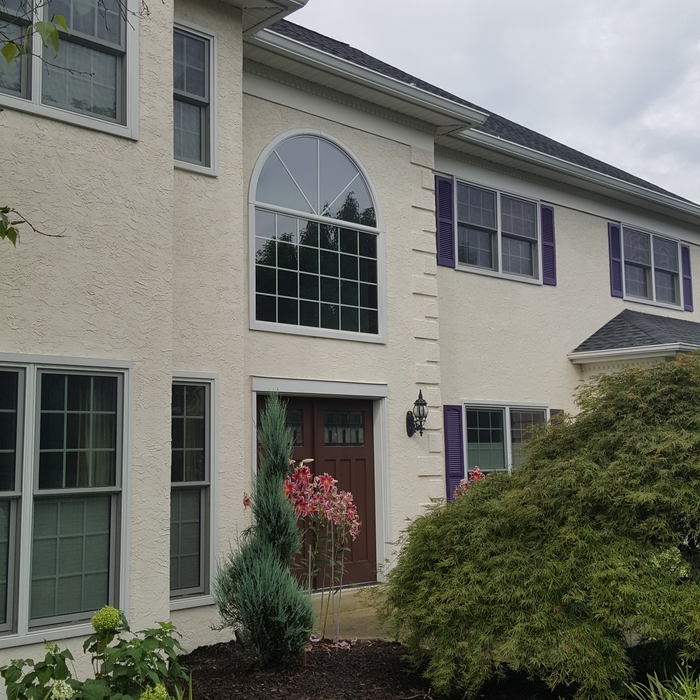







Top-rated drywall pros.

Get matched with top drywall pros in West Point, PA

Enter your zip and get matched with up to 5 pros

Need a pro for your drywall service project in West Point, PA?

Select your specific project to find the pro for you.

TRUSTED BY WEST POINT, PA HOMEOWNERS

  • Average homeowner rating star icon4.8
    Average homeowner rating
  • Verified reviews icon146
    Verified drywall services reviews

Find Drywall pros in West Point

Ian Burget Painting, LLC
4.7(
48
)
Drywall - RepairDrywall - Repair - For Business

Serving West Point, PA and surrounding areas

Approved

In business since 2004

Free estimates

Small jobs welcome

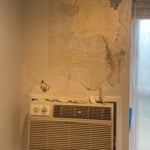
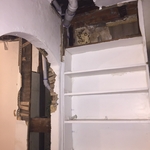
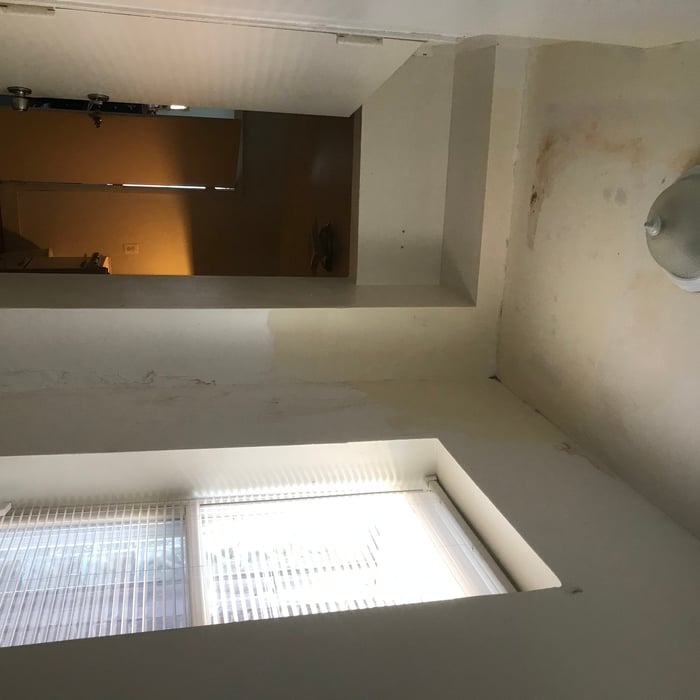
"We hired Ian Burget Painting, LLC, to repair and replace water damaged plaster and drywall in out 109 year old brownstone home. From our first call to the finished repairs was within a week or two. Ian was fast to reply and get work started and finished. The workers cleaned up before they left each day of work. We were very satisfied and would hire his company again. Thank you, Ian."
Foyer Staircase
Dining Room
Bedroom
Garage Drywall
Garage Drywall

+5

Response time3 hrs
Response rate87%
Recommended by100%of homeowners
James R. Weisbrod Drywall
5.0(
4
)
Drywall - InstallDrywall - Install - For BusinessDrywall - Repair - For Business

Serving West Point, PA and surrounding areas

Approved

In business since 1985

Free estimates

Customers say: Quick response

"Our powder room walls had some damage underneath wallpaper. We needed the drywall removed, replaced and spackled as well as two medicine cabinet holes filled in. They did such an amazing job! And I am picky with work."
Garage
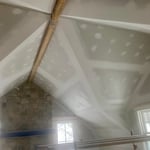
Vaulted Ceiling
Family Room
Family Room
Response time6 hrs
Response rate89%
4 neighbors recently requested a quote
Avatar for All Under One
All Under One
5.0(
8
)
Drywall - InstallDrywall - Install - For BusinessDrywall - Repair+1 more

Serving West Point, PA and surrounding areas

Approved

In business since 2021

Emergency services offered

Small jobs welcome

We're a locally owned and operated company with over 4 years of industry experience. We value honesty and integrity in all aspects of our business. We offer a variety of Home Improvement services that are customizable to each individual project. We specialize in handyman and landscaping work and a variety of related service and repair projects. We pride ourselves on the quality of our work as well as our commitment to outstanding results. We look forward to building lasting relationships with our clients and guarantee your satisfaction!

Response time1 day
Recommended by83%of homeowners
...
Showing 1-10 of 558
Drywall questions, answered by experts

You do not need to drywall over most types of garage insulation. However, doing so can increase noise reduction, make the space more attractive, and keep children and pets from touching harmful fiberglass insulation. If you’re using cellulose or some other type of blown-in insulation (fiberglass and mineral wool are common), you will need drywall to contain the insulation material.

If you’re installing new drywall, you may need to skim coat the drywall first for a smooth finish and to allow the primer to adhere to the wall. It’s only necessary if there are imperfections in your drywall due to issues with the studs or improper drywall installation. If you’re refreshing existing walls, you may want to skim coat if there are imperfections across the wall. As an alternative, you can repair your drywall and sand it for a smooth finish before painting.

Yes, applying a texture can hide minor imperfections and irregularities in drywall, but it will not cover significant damage like nail marks or screw holes. The best texture depends on the size of the flaws. For minor imperfections, popular choices like orange peel, sand, or popcorn texture are effective. For larger imperfections, you may need a more prominent style, such as a knockdown or trowel finish, to conceal them effectively.

Plaster ceilings can sag for several reasons. In some cases, the plaster and other building materials shift and come apart over time, which is why you’ll commonly find drooping plaster ceilings in older homes. Improper installation, foot traffic, and water damage—often from a leaky roof or a broken pipe—can also cause plaster ceilings to sag.

Although they have similar applications, spackle and joint compound are not the same. Their primary differences lie in their composition, consistency, and ideal use cases.

Spackle is composed of gypsum and binding agents, making it thicker than joint compound. It dries quickly and is easy to sand, which makes it ideal for small wall repair projects like filling nail holes or patching minor damage.

Joint compound, also known as drywall mud, consists of limestone and gypsum. It is primarily used for large-scale projects, such as taping and finishing the seams on newly installed drywall. It tends to shrink more than spackle and can be more difficult to spread.

While both products can be used to fill small depressions and cracks, spackle cannot replace joint compound for taping and mudding new drywall. Conversely, you can often use joint compound for small patching jobs typically done with spackle.

The West Point, PA homeowners’ guide to drywall services

From average costs to expert advice, get all the answers you need to get your job done.