
Top-rated drywall insulation pros.

Get matched with top drywall insulation pros in Waverly, PA

Enter your zip and get matched with up to 5 pros

Need a pro for your drywall insulation project in Waverly, PA?

Select your specific project to find the pro for you.

TRUSTED BY WAVERLY, PA HOMEOWNERS

  • Average homeowner rating star icon4.7
    Average homeowner rating
  • Verified reviews icon36
    Verified drywall insulation services reviews

Find Drywall insulation pros in Waverly

Orr Industries of Pennsylvania, LLC
4.4(
28
)
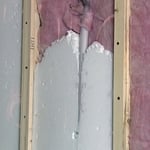
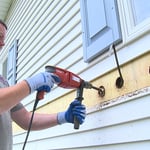
Blown-In Insulation - Install or UpgradeInjection Insulation - Install

Serving Waverly, PA and surrounding areas

In business since 2021

Free estimates

Credit card accepted

"Very good. They responded quickly and gave me a quote. They did a great job expediting the work. Their workers were on time and courteous and did a great job. I would recommend them to anyone who needs old insulation replaced with spray foam insulation"
Response time1 day
Response rate88%
4 neighbors recently requested a quote
Avatar for EnergySmart Insulation
EnergySmart Insulation
4.0(
55
)
Injection Insulation - Install

Serving Waverly, PA and surrounding areas

In business since 2002

Free estimates

"They came when scheduled to give an estimate. They had no problem when we cut the project back a little bit. Due to some equipment problems thy had to reschedule by one day, but these things happen. They showed up on time finished the work properly. They discovered two areas that we did not figure on during the estimate. They insulated these at no extra charge. When they finished the attic it was no hotter than the rest of the house. It seems their stuff works. The acid test will be in a Pennsylvania winter. LOL"
The Hud Project
Recommended by95%of homeowners
Orr Industries of Pennsylvania, LLC
4.9(
4
)
Blown-In Insulation - Install or UpgradeInjection Insulation - Install

Serving Waverly, PA and surrounding areas

In business since 2021

Free estimates

Warranties offered

"Everything was as promised and customer service worked with me to alleviate my concern of pre-payment. No complaints. I’d probably go to 5 stars except that I haven’t fully checked for changes in energy consumption to know if it was the right solution. I know that the price was significantly less than other quotes!"
Response time3 days
Response rate91%
Recommended by100%of homeowners
Showing 1-10 of 22
Drywall Insulation questions, answered by experts

The time it takes for thinset to dry is determined by your room’s ambient temperature and humidity levels. Assuming the average humidity level is around 40% with an average temperature of 70 degrees Fahrenheit, thinset can dry within 48 hours. Lower temperatures and higher humidity can extend the curing process beyond 72 hours, while high heat and zero humidity can shorten the curing process. However, thinset can crack if it dries too fast.

Drywall can be toxic to the environment and to humans in some cases. As drywall breaks down in a landfill and comes in contact with other organic chemicals, it can create hydrogen sulfide gas or leach into the groundwater. Additionally, the CDC recommends methods for controlling the inhalation of drywall dust when handled. While the common ingredients of drywall—gypsum, silica, and mica—are naturally occurring, they can cause irritation in some humans.

The easiest way to tell if a wall is load bearing is to check if it’s an exterior wall or if it runs perpendicular to the joists above and below it (or parallel to beams). Exterior walls are almost always load-bearing, and walls that run under beams or parallel to them are also usually load-bearing. There are exceptions to these rules, and walls that don’t fit into these categories can still be load-bearing. If you’re unsure, hire a structural engineer to look at your home to assess whether or not the wall is structural.

Options include bricks, natural stone, and concrete blocks. Choose based on durability, aesthetics, and budget.

Although they have similar applications, spackle and joint compound are not the same. Their primary differences lie in their composition, consistency, and ideal use cases.

Spackle is composed of gypsum and binding agents, making it thicker than joint compound. It dries quickly and is easy to sand, which makes it ideal for small wall repair projects like filling nail holes or patching minor damage.

Joint compound, also known as drywall mud, consists of limestone and gypsum. It is primarily used for large-scale projects, such as taping and finishing the seams on newly installed drywall. It tends to shrink more than spackle and can be more difficult to spread.

While both products can be used to fill small depressions and cracks, spackle cannot replace joint compound for taping and mudding new drywall. Conversely, you can often use joint compound for small patching jobs typically done with spackle.

The Waverly, PA homeowners’ guide to drywall insulation services

From average costs to expert advice, get all the answers you need to get your job done.