



Top-rated drywall insulation pros.

Best drywall insulation pros near Plains, PA

Enter your zip and get matched with up to 5 pros

Need a pro for your drywall insulation project in Plains, PA?

Select your specific project to find the pro for you.

Top-Rated Drywall insulation pros in Plains - Updated Nov 2026

Avatar for Home Genius Exteriors
Home Genius Exteriors
4.9(
1,180
)
Blown-In Insulation - Install or Upgrade

Serving Plains, PA and surrounding areas

Approved

In business since 2004

Free estimates

Emergency services offered

Elevate your home with Home Genius Exteriors, setting the standard by offering full-service solutions for roofing, siding, windows, doors, gutters and insulation. We support our veterans and communities by supporting local and national charitable organizations through our Home Genius Cares initiative. With an Owens Corning® Platinum Preferred designation, we also offer flexible payment options, industry leading warranties and a wide range of premium products tailored for your home. It's time for a different experience, entrust your next home project to a genius and schedule your free inspection today!

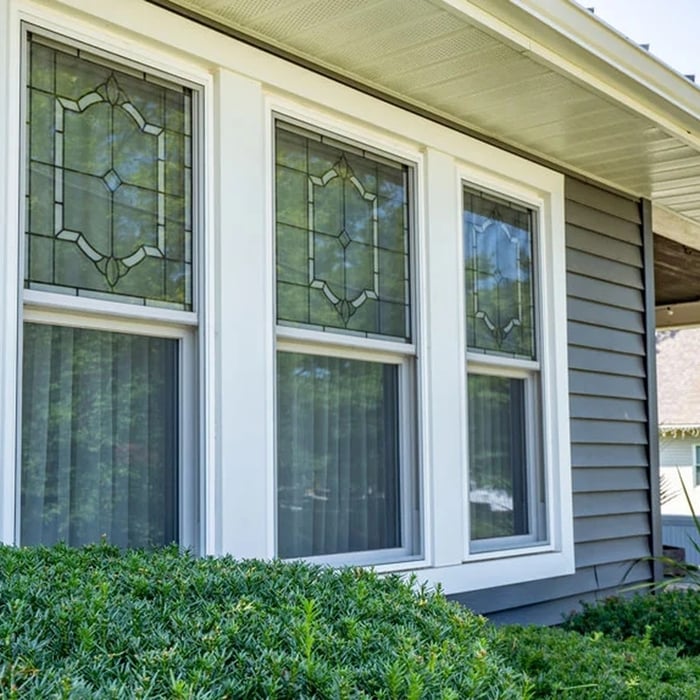
Windows
Windows
Windows
Windows
Windows

+75

Recommended by47%of homeowners
Avatar for Bachman's Roofing - Lehigh Valley
Bachman's Roofing - Lehigh Valley
3.5(
8
)
Blown-In Insulation - Install or Upgrade

Serving Plains, PA and surrounding areas

Approved

In business since 1972

Free estimates

Emergency services offered

Bachman's Roofing is a family-operated company with over 50 years of experience in roofing, exteriors, and solar solutions. Recognized as one of the top 30 roofers nationwide, and renowned for exceptional craftsmanship and outstanding customer service.

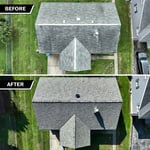
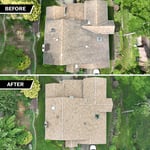
Before and Afters
Before and Afters
Before and Afters
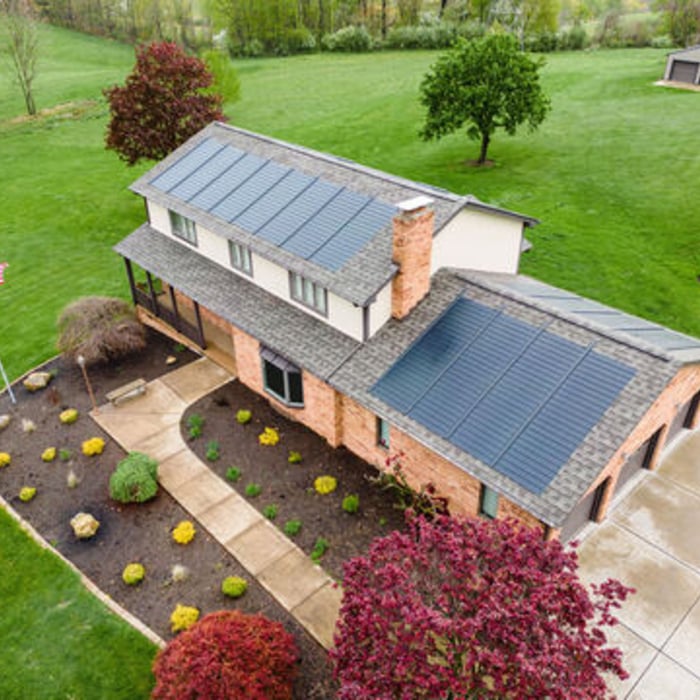
Solar Shingle Install

+11

78 neighbors recently requested a quote
Orr Industries of Pennsylvania, LLC
4.4(
28
)
Blown-In Insulation - Install or UpgradeInjection Insulation - Install

Serving Plains, PA and surrounding areas

In business since 2021

Free estimates

Credit card accepted

"Ray arrived on time (during a snow storm). He is so knowledgeable and polite. Very easy-going and does a very through job of explaining the process and different types of insulation available As soon as I receive the email and video I will consult my husband and contact Ray."
Response time1 day
Response rate88%
Recommended by80%of homeowners
Avatar for Foam Brothers Insulation, LLC
Foam Brothers Insulation, LLC
4.9(
20
)
Injection Insulation - Install

Serving Plains, PA and surrounding areas

In business since 2018

Free estimates

Warranties offered

"Josh and his brother did a wonderful stopping a leaky stone basement wall and adding insulation to our basement ceiling. They were excellent and very professional!!"
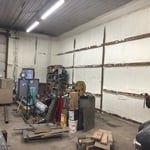
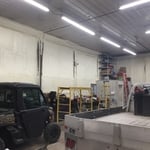
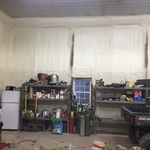
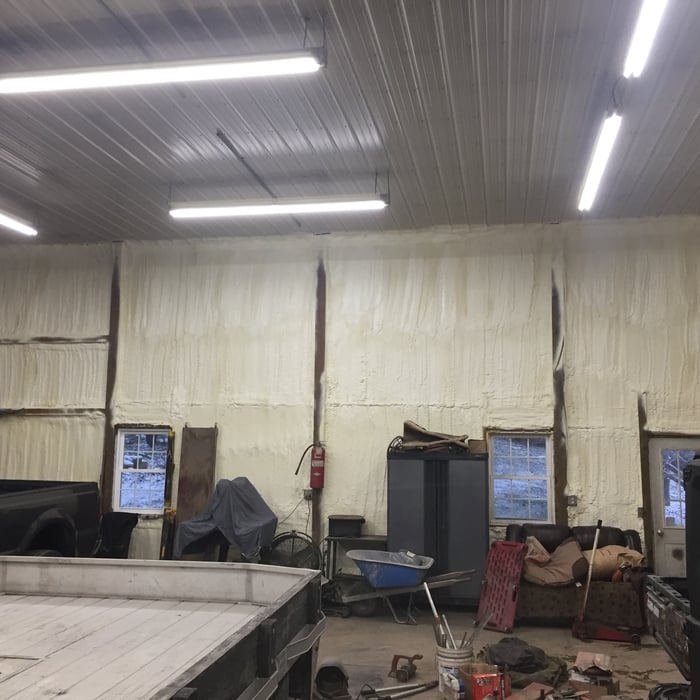
Pole barn walls
Pole barn walls
Pole barn walls
Pole barn walls
Pole barn walls

+18

Response time3 days
Response rate91%
Recommended by100%of homeowners
Avatar for HomeStar Insulation Inc.
HomeStar Insulation Inc.
5.0(
4
)
Blown-In Insulation - Install or UpgradeInjection Insulation - Install

Serving Plains, PA and surrounding areas

In business since 2022

Free estimates

Credit card accepted

HomeStar Insulation Inc., is your go to team of professionals for all of your needs. We work tirelessly to meet and exceed your expectations and constantly strive for perfection. Give us a call today and let's get started! \n

Response time5 hrs
Recommended by100%of homeowners
Showing 1-10 of 32
Drywall Insulation FAQs, answered by experts

Although they have similar applications, spackle and joint compound are not the same. Their primary differences lie in their composition, consistency, and ideal use cases.

Spackle is composed of gypsum and binding agents, making it thicker than joint compound. It dries quickly and is easy to sand, which makes it ideal for small wall repair projects like filling nail holes or patching minor damage.

Joint compound, also known as drywall mud, consists of limestone and gypsum. It is primarily used for large-scale projects, such as taping and finishing the seams on newly installed drywall. It tends to shrink more than spackle and can be more difficult to spread.

While both products can be used to fill small depressions and cracks, spackle cannot replace joint compound for taping and mudding new drywall. Conversely, you can often use joint compound for small patching jobs typically done with spackle.

While every home has its own unique needs, ceiling drywall installation typically follows a staggered or stepped pattern to enhance structural integrity and reduce the visibility of seams. Starting from one corner, sheets are placed perpendicular to the ceiling joists, with the ends of adjacent sheets meeting along the center of the joist. The next row begins with a half sheet, ensuring joints don't align vertically. This alternating pattern, combined with proper taping and mudding, creates a seamless appearance and strengthens the ceiling structure, minimizing the risk of cracks over time.

You do not need to drywall over most types of garage insulation. However, doing so can increase noise reduction, make the space more attractive, and keep children and pets from touching harmful fiberglass insulation. If you’re using cellulose or some other type of blown-in insulation (fiberglass and mineral wool are common), you will need drywall to contain the insulation material.

All plaster walls will crack over time due to normal house settling and expansion and contraction from temperature and moisture changes. Small, thin hairline cracks are generally not serious and are mostly a cosmetic issue. However, larger or more significant cracks can indicate structural problems.
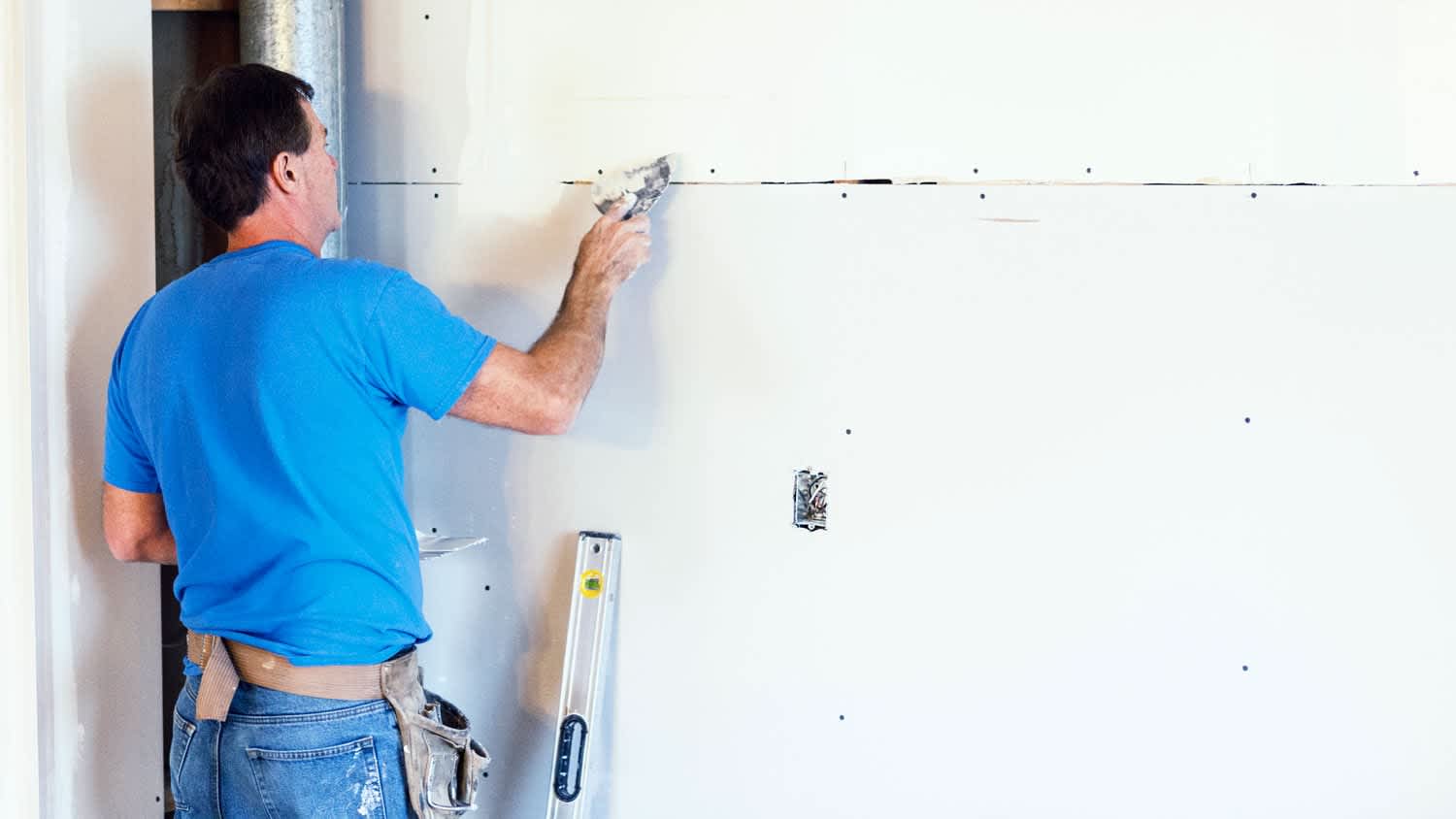
Here's how to tell the difference:

  • Cosmetic Cracks: Cracks that are 0.5 cm (0.2 inches) or thinner are typically cosmetic.

  • Structural Cracks: Cracks wider than 0.5 cm, excessive or deep cracks, multiple cracks in the same area, or cracks that span around corners can signify a structural or foundation issue. Cracks along the joints where walls meet the ceiling also warrant attention.

For cracks wider than 0.5 cm, structural repair is needed. If a crack is 2.5 cm (1 inch) or wider, or if you notice any signs of a structural problem, it is best to contact a plaster repair professional to assess the damage.

Plaster walls typically last between 30 and 70 years, but depending on the quality of the materials and the moisture levels in the building, they can last for over 100 years. With expert application and consistent maintenance, plaster can even last for centuries. To extend its lifespan, it is important to have the plaster professionally installed, address any water damage promptly, and repair small cracks as they appear. Regular inspections by a professional can help identify and address concerning cracks before they become significant issues.

The Plains, PA homeowners’ guide to drywall insulation services

From average costs to expert advice, get all the answers you need to get your job done.