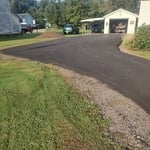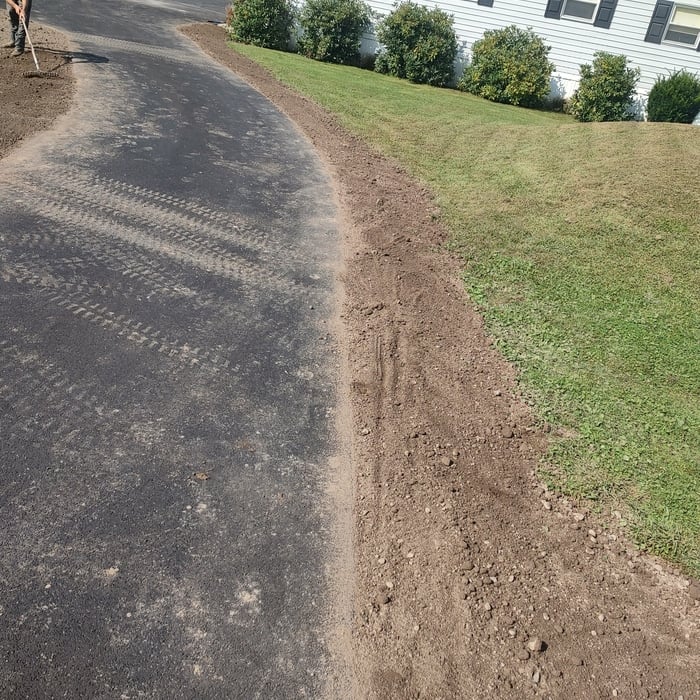






Top-rated excavation pros.

Get matched with top excavation pros in Morris, PA

Enter your zip and get matched with up to 5 pros

Need a pro for your excavation project in Morris, PA?

Select your specific project to find the pro for you.

Find Excavation pros in Morris

Avatar for Stemler Services LLC
Stemler Services LLC
5.0(
7
)
Landscape - Minor Grading or ReslopingBuilding Site - Preparation and ClearingExcavation - Major Grading or Resloping

Serving Morris, PA and surrounding areas

Approved

Super Service Award Winner

In business since 2024

Free estimates

Emergency services offered

"Went way above and beyond! Helped finish work that was being done in our living room. Cleaned up every piece of material that was utilized and made sure that everything was 100 percent to our satisfaction. Highly recommend for any job you need accomplished as he truly does go above and beyond!"
Our Team
Our Team
Our Team
Our Team
My Jobs

+24

Response time2 hrs
Response rate95%
5 neighbors recently requested a quote
S & L Superior Land Management LLC
New to Angi
Building Site - Preparation and ClearingBuilding Site - Preparation and Clearing - For Business

Serving Morris, PA and surrounding areas

Approved

In business since 2025

Free estimates

Credit card accepted

We pride our company on reliability, great communication, integrity, and quality work. We are experts in our trade and will do our best to keep you as educated as we can on your particular task or project. We look forward to earning your business! Book with us online or feel free to give us a call today!

5 neighbors recently requested a quote
Showing 1-10 of 35
Excavating questions, answered by experts

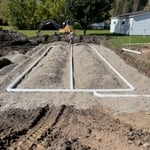
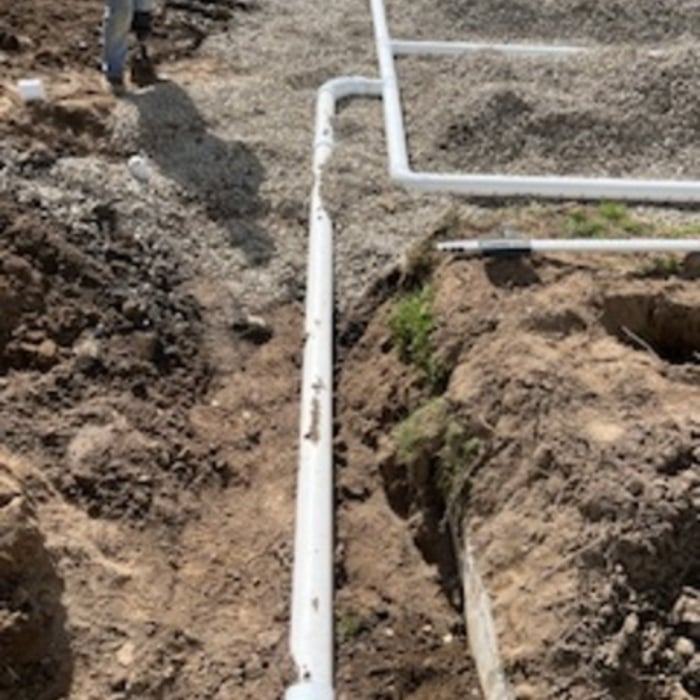
Septic drain lines (or leach lines) are typically buried between 18 and 36 inches underground, and should be at least 6 inches below the surface. These pipes are perforated and surrounded by filtering materials like sand or gravel. Burying the lines at this depth helps minimize odors and allows bacteria and other biological processes in the soil to effectively treat the wastewater. Burying lines too close to the surface can cause issues unless the soil is very compact and stable.

We recommend removing the stump, and grinding is a popular way to do it. You can also dig out small stumps or stumps that have fully decayed instead of grinding them. However, don’t try using acids or fire for killing a tree stump, which is a fire hazard and illegal in many areas.

Leaving the stump alone invites eventual problems, including attracting termites, mold, and fungi.

Digging a bush up by the roots is the most natural DIY method for removing a bush stump. Start by identifying the shrub type and revealing its roots. Cut the shrub to its base and loosen the soil, ensuring no utility lines are nearby. Optionally, treat the base with herbicide, then dig around the roots and cut a circle around the shrub using various tools. Dig a trench, cut the base of the root ball, and finally fill the hole to prevent regrowth. This thorough process ensures complete removal without damaging surrounding areas.

Concrete blocks are the cheapest way to base a shed. However, the space in between allows critters to go under, burrow, and even damage your shed’s frame. For a more pest-proof option, consider building a shed base with gravel or paver stones. Both options are fairly affordable and easy enough for a DIY project. For gravel, you can build a wooden frame to contain the loose material.

Sewer lines can be buried anywhere from 18 inches to 8 feet deep, with a common average depth between 18 and 30 inches. The exact depth depends on local factors like climate and soil type. In colder regions, pipes must be buried deeper (below the frost line) to prevent freezing, sometimes as deep as 8 feet. The digging depth can also impact the cost of sewer line replacement. To find the specific depth for your property, you can check the building plans for your system, which should be on file with your city or local sanitation department since permits are required for installation.

The Morris, PA homeowners’ guide to excavation services

From average costs to expert advice, get all the answers you need to get your job done.