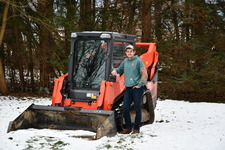
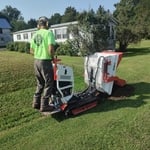
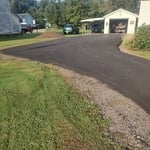
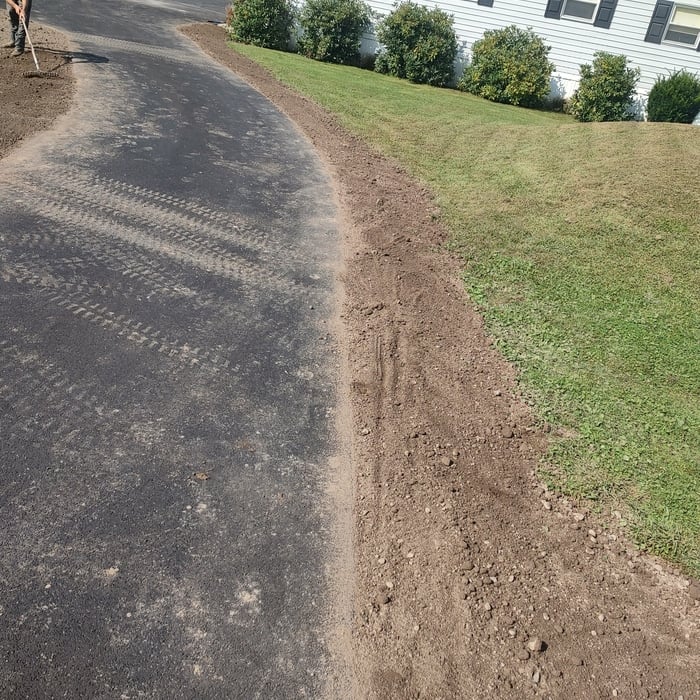
We have the experience and we are committed to providing quality workmanship and superior customer service on all our applications. We at Stemler Services LLC strive to maintain our reputation as a high quality, very service oriented company with our main focus being customer satisfaction.
Moore Contracting, LLC, is dedicated to providing our clients with the very best in excavation and building site services. We have over 25 years of experience. We specialize in residential and commercial services and take pride in the attention to detail put into each of the projects we're involved with. We're known for our quality work and the integrity of our business. We look forward to building long-term relationships with our clients and guarantee your satisfaction.
We take great pride in our experience, expertise, quality and customer service that we provide to meet every consumer's needs.\nIt is our mission to provide excellent customer service from start to completion of a project.\nTo understand the needs and expectations of our customers, we take great care to work and communicate with every customer in a personal and professional manner.\nOur reputation is based on service, safety and quality, regardless of how large or small the job.
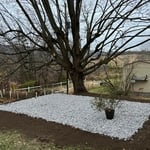
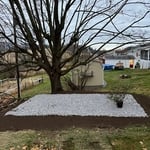
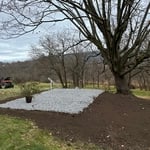
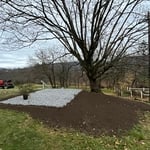
"We had a shed pad installed for our new shed. Bob really worked to make sure we understood the different types of pads we could get as well as the ground leveling process. He was the only contractor we talked to that put the pad in the ground (excavating some dirt) so that it didn't just sit on top. As an added bonus, he swiped away a patch of really thick ivy that we've been struggling with. When scheduling the pad, he did delay the installation due to weather issues, showing real concern that if we didn't delay at least a day, the installation would be less than the professional level he likes to leave with. I left for the morning to go to work and when I came home, the pad was ready for a shed. Bob shows a concern for his homeowner's well being in all matters and is very knowledgable. I fully recomend him to anyone seeking a similar install, and will consider Rock-a-fella's when ever I have a gravelly/patio/deck need in the future. "
We pride our company on reliability, great communication, integrity, and quality work. We are experts in our trade and will do our best to keep you as educated as we can on your particular task or project. We look forward to earning your business! Book with us online or feel free to give us a call today!
We provide quality home improvements. We take great pride in our experience, expertise, quality, and customer service that we provide to meet consumers' needs. It is our mission to provide excellent workmanship and complete customer satisfaction from start to completion of a project. In order to understand the needs and expectations of our customers, we take great care to work and communicate with every customer in a professional manner. Our reputation is based on service, safety, and quality, regardless of how large or small the job.
DBA Inside Eco Inc. General Contractor. Over 15 Employees, 30 combined years of experience, check out our website and call for special promotions and discounts. Additional contact: Gino Nalashi.
Whether it’s a large commercial excavation project or a residential site, we specialize in providing top-notch services on every project we take on. Our skilled team is ready to tackle any challenge with precision and care, ensuring every job meets our high standards. Call or text us at (570) 529-2953
Serving the area for over 15 years, we are your solution for all your excavation needs. We take great pride in our extreme professionalism, timeliness and superior customer service on every job. We make sure to develop a lasting relationship so that the next time service is needed there will be no question on who to call. Check out our review from satisfied clients. Give us a call today!
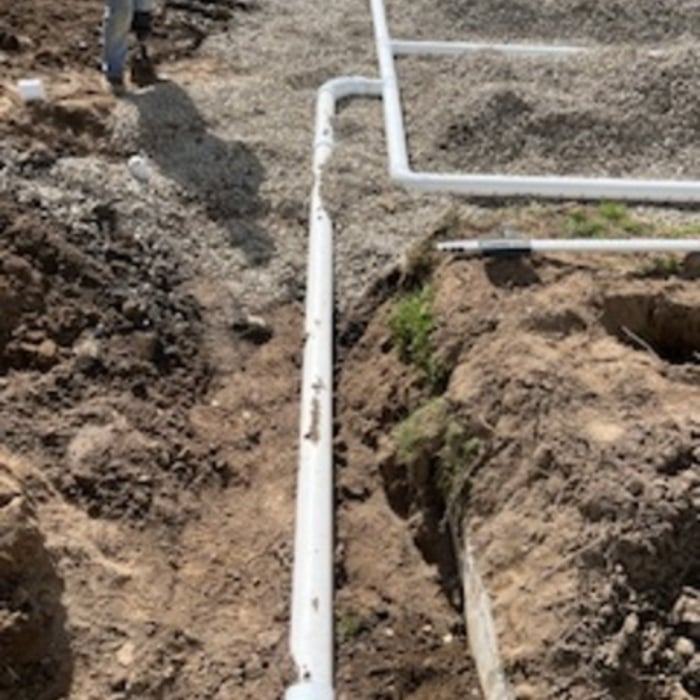
The digging depth will depend on the size of the trencher you use. Even smaller units can dig up to 4 feet deep, which is plenty for a DIY job. However, much larger trenchers can reach a depth of 18 feet and are better used by a team of pro contractors, not a single DIYer. As with all home improvement projects, use the right tool for the job and proceed with caution.
There are several methods to hollow out a tree stump, and the best one depends on your tools, experience, and priorities. Common methods include using a chisel and hammer, a chainsaw, or burning.
Chisel and Hammer: This is often considered the easiest approach for those with limited tools or experience, though it is the most time-consuming.
Chainsaw: Using a chainsaw is the fastest method, but it comes with significant safety risks, especially for inexperienced users.
Burning: This can be an effective method, but it is not recommended unless you can first drill holes into the stump. Without holes, the stump will be difficult to light and may not burn completely through.
A power drill with at least a ⅜-inch diameter bit can make the job quicker and easier, regardless of the primary method. While you can use a chisel or chainsaw without a drill, it will require more time and effort. Always wear protective goggles and thick gloves, as splinters are an inevitable risk.
A crawl space can be as little as 42 inches below the grade of your house, but this is not always recommended in flood-prone areas. At a minimum, there must be at least 16 inches of clearance between the ground and the floor joists to access the space in an emergency.
In the United States, a depth of 36 inches (three feet) for underground water lines is the accepted industry standard. This depth varies from location to location based on local conditions. In areas with colder winters, they may be buried deeper to prevent frozen well water pipes : This is usually at least six inches below the frost level. The International Plumbing Code calls for a minimum of 12 inches below grade.
Preparation involves site assessment, clearing debris, grading surfaces, and compacting soil to support stable construction.
The Elk, PA homeowners’ guide to excavation services
From average costs to expert advice, get all the answers you need to get your job done.
Excavation costs $1,500 to $6,300 for most residential projects—but it depends on factors like the size of the area. This guide will help you plan a budget.
You can't have an in-ground pool without digging into the ground. How much does pool excavation cost, and can you take it on yourself? Our guide explains.
Picking the right pro can make or break your project. Learn how to hire an excavation pro with the qualifications and skillset to do the job efficiently.