


Top-rated excavation pros.

Best excavation pros near Westfield, PA

Enter your zip and get matched with up to 5 pros

Need a pro for your excavation project in Westfield, PA?

Select your specific project to find the pro for you.

Top-Rated Excavation pros in Westfield - Updated Nov 2026

Avatar for Rock-A-Fellas Co Inc
Rock-A-Fellas Co Inc
4.5(
23
)
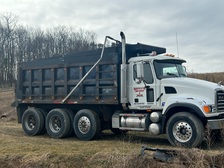
Building Site - Preparation and ClearingBuilding Site - Preparation and Clearing - For BusinessExcavation - Major Grading or Resloping+2 more

Serving Westfield, PA and surrounding areas

In business since 2003

Credit card accepted

"We had a shed pad installed for our new shed. Bob really worked to make sure we understood the different types of pads we could get as well as the ground leveling process. He was the only contractor we talked to that put the pad in the ground (excavating some dirt) so that it didn't just sit on top. As an added bonus, he swiped away a patch of really thick ivy that we've been struggling with. When scheduling the pad, he did delay the installation due to weather issues, showing real concern that if we didn't delay at least a day, the installation would be less than the professional level he likes to leave with. I left for the morning to go to work and when I came home, the pad was ready for a shed.
Bob shows a concern for his homeowner's well being in all matters and is very knowledgable. I fully recomend him to anyone seeking a similar install, and will consider Rock-a-fella's when ever I have a gravelly/patio/deck need in the future.
"
Additional Photos
Additional Photos
Additional Photos
Additional Photos
Additional Photos

+14

Recommended by100%of homeowners
Frontino Excavating
New to Angi
Building Site - Preparation and ClearingExcavation - Major Grading or ReslopingLandscape - Minor Grading or Resloping

Serving Westfield, PA and surrounding areas

In business since 2020

Free estimates

Credit card accepted

We take great pride in our experience, expertise, quality, and customer service that we provide to meet the consumer's needs. It is our mission to provide excellent workmanship and complete customer satisfaction from start to completion of a project. In order to understand the needs and expectations of our customers, we take great care to work and communicate with every customer in a professional manner. Our reputation is based on service, safety, and quality, regardless of how large or small the job.

Showing 1-10 of 28
Excavating FAQs, answered by experts

Septic drain lines (or leach lines) are typically buried between 18 and 36 inches underground, and should be at least 6 inches below the surface. These pipes are perforated and surrounded by filtering materials like sand or gravel. Burying the lines at this depth helps minimize odors and allows bacteria and other biological processes in the soil to effectively treat the wastewater. Burying lines too close to the surface can cause issues unless the soil is very compact and stable.

Trenching is a specific kind of digging. Trenching means digging a depression in the earth that’s deeper than it is wide, often with heavy machinery. Digging refers to any kind of removal of earth in order to create a human-made depression, hole, or cut in the earth’s surface. You can dig with big tools or even with just a hand shovel.

The physical constraints of hand-drilling a well limit the depth you can achieve. Manually digging with picks and shovels may only lead to shallow wells of up to 60 feet in depth. To reach greater depths, you need more specialized equipment. The diameter of your well and the tools you’re using will determine how far down you can dig.

The easier way to find buried sprinkler lines is to use the plan from the professionals who installed the system. If you don’t have professional plans, listen for running water on your lawn when you turn on the system. You may also spot wet areas, giving you an idea of where the heads are. Once you find the sprinkler heads, you’ll likely be able to connect the dots between them, revealing the system below.

Digging a bush up by the roots is the most natural DIY method for removing a bush stump. Start by identifying the shrub type and revealing its roots. Cut the shrub to its base and loosen the soil, ensuring no utility lines are nearby. Optionally, treat the base with herbicide, then dig around the roots and cut a circle around the shrub using various tools. Dig a trench, cut the base of the root ball, and finally fill the hole to prevent regrowth. This thorough process ensures complete removal without damaging surrounding areas.

The Westfield, PA homeowners’ guide to excavation services

From average costs to expert advice, get all the answers you need to get your job done.