



Top-rated landscapers.

Best landscapers near Morris, PA

Enter your zip and get matched with up to 5 pros

Need a pro for your landscaping project in Morris, PA?

Select your specific project to find the pro for you.

Top-Rated Landscapers in Morris - Updated Nov 2026

Avatar for Stemler Services LLC
Stemler Services LLC
5.0(
7
)
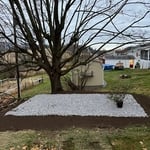
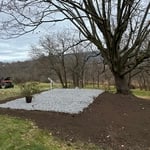
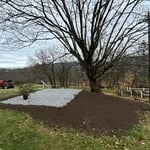
Landscape - Minor Grading or Resloping

Serving Morris, PA and surrounding areas

Approved

Super Service Award Winner

In business since 2024

Free estimates

Emergency services offered

"Went way above and beyond! Helped finish work that was being done in our living room. Cleaned up every piece of material that was utilized and made sure that everything was 100 percent to our satisfaction. Highly recommend for any job you need accomplished as he truly does go above and beyond!"
Our Team
Our Team
Our Team
Our Team
My Jobs

+24

Response time2 hrs
Response rate97%
4 neighbors recently requested a quote
...
Showing 1-10 of 76
Landscaping FAQs, answered by experts

If you use the wrong plants for your gardening zone, you’ll likely get less than desirable yields from them. In some cases, your plants can even die. It’s important to ensure that your plants are able to survive in your hardiness zone before getting them into the ground.

You should avoid planting grass, shrubs, plants, and trees in freezing temperatures, as the ground can get frozen and become too hard for proper root growth. It’s best to plant in the fall to allow your plants to establish root systems before the first frost. Landscaping when the average temperature in your area is between 50 and 60 degrees will usually deliver the best results.

While you can leave roots in the ground, if you don’t want the shrub to regrow again over time, it’s best not to leave any roots behind. Ensure you remove as much of the shrub as possible, including the root ball and any main roots you can see, to prevent new growth. Some gardeners opt for using a chemical treatment to prevent the stump from growing back, but this can kill beneficial microorganisms living in your soil.

The best landscaping for a septic drain field is shallow-rooted grass or native vegetation that helps prevent soil erosion while allowing water to evaporate efficiently. Avoid planting trees, shrubs, or deep-rooted plants near the drain field because the roots can infiltrate pipes and cause blockages. Using mulch or gravel sparingly can also help retain moisture and protect the system without restricting airflow.

As with anything you do near your foundation, you’ll want to ensure proper drainage when you plant your foundation beds. Your drainage should run downhill from the highest point against your foundation to avoid water intrusion and incurring expensive foundation repair costs.

The Morris, PA homeowners’ guide to landscaping services

From average costs to expert advice, get all the answers you need to get your job done.