


Top-rated leaf removal pros.

Get matched with top leaf removal pros in Mcclure, PA

Enter your zip and get matched with up to 5 pros

Need a pro for your leaf removal project in Mcclure, PA?

Select your specific project to find the pro for you.

Find Leaf removal pros in Mcclure

Avatar for PA Junk Solutions
PA Junk Solutions
5.0(
23
)
Waste, Junk, Building Materials and Debris - Remove and Haul

Serving Mcclure, PA and surrounding areas

Approved

Free estimates

Emergency services offered

Credit card accepted

"They were up front and honest with thier pricing on junk removal. And had the best pricing compared to others in the area. Blake arrived on time, worked quickly, efficiently and professionally was able to get everything to fit in one load. I will be hiring them again."
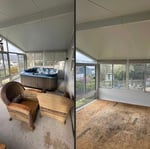
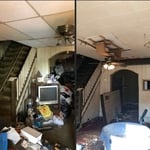
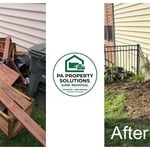
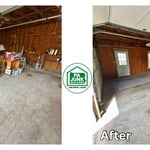
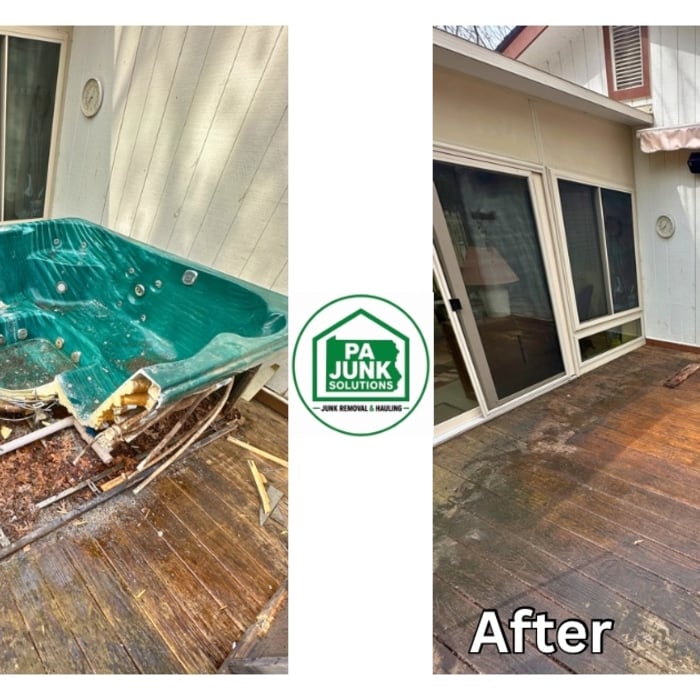
Before / After
Full Interior Clean Out
Outdoor Cleanup
Garage Cleanout
Hot tub Removal

+5

109 neighbors recently requested a quote
...
Showing 1-10 of 103
Leaf Removal questions, answered by experts

If the lead paint is in a place that is not easily disturbed and is not flaking or deteriorating, you do not necessarily need to remove it. Lead is toxic when dust particles or flakes from peeling lead paint are ingested. If people are not in the area with the lead paint, it may be safe to leave it in place. You still may want to consider encapsulation with a paint formulated for covering lead-based paint, just for an added layer of protection.

Government regulations such as the EPA and OSHA govern lead removal procedures to ensure health and environmental safety during and after abatement.

Exterior paint contains a higher level of VOCs, which can be dangerous if you’re exposed to it for a long period of time. The good news is that paint’s toxicity reduces significantly once fully dried and cured. Do not keep open exterior paint cans in your home, basement, or garage, exposing your household to harmful chemicals over time.

The EPA enforces hazardous waste laws and ensures people dispose of their hazardous waste responsibly. Depending on where you live, your state’s hazardous waste regulatory agency may also enforce these laws. Individually, it’s up to each household to properly dispose of their hazardous waste.

According to the Environmental Protection Agency (EPA), hazardous waste is generally classified into four main categories:

1. Characteristic Wastes: These exhibit at least one of four hazardous traits: ignitability (flammable, like gasoline), corrosivity (can rust or decompose materials, like car batteries), reactivity (unstable and can explode, like aerosol cans), or toxicity (harmful when ingested, like lead-based paint).

2. Listed Wastes: These are specific wastes from manufacturing and industrial processes that the EPA has officially designated as hazardous. They include byproducts from processes that use solvents, pesticides, and other chemicals.

3. Universal Wastes: These are commonly generated hazardous items that are subject to streamlined regulations. Examples include batteries, pesticides, mercury-containing equipment (e.g., bulbs), and some lamps.

4. Mixed Wastes: This category includes waste that contains both hazardous and radioactive components, making it subject to regulation by both the EPA and the Nuclear Regulatory Commission.

The Mcclure, PA homeowners’ guide to leaf removal services

From average costs to expert advice, get all the answers you need to get your job done.