




Top-rated tree service pros.

Best tree service pros near Linden, PA

Enter your zip and get matched with up to 5 pros

Need a pro for your tree service project in Linden, PA?

Select your specific project to find the pro for you.

TRUSTED BY LINDEN, PA HOMEOWNERS

  • Average homeowner rating star icon4.7
    Average homeowner rating
  • Verified reviews icon40
    Verified tree services reviews

Top-Rated Tree service pros in Linden - Updated Nov 2026

Avatar for JSV Contracting
JSV Contracting
5.0(
5
)
Tree Removal - For Business

Serving Linden, PA and surrounding areas

Approved

In business since 2005

Free estimates

Small jobs welcome

"JSV contracting was fantastic to work with. Joel and his crew were very nice and professional. Communication was great! I will certainly do more business with them."
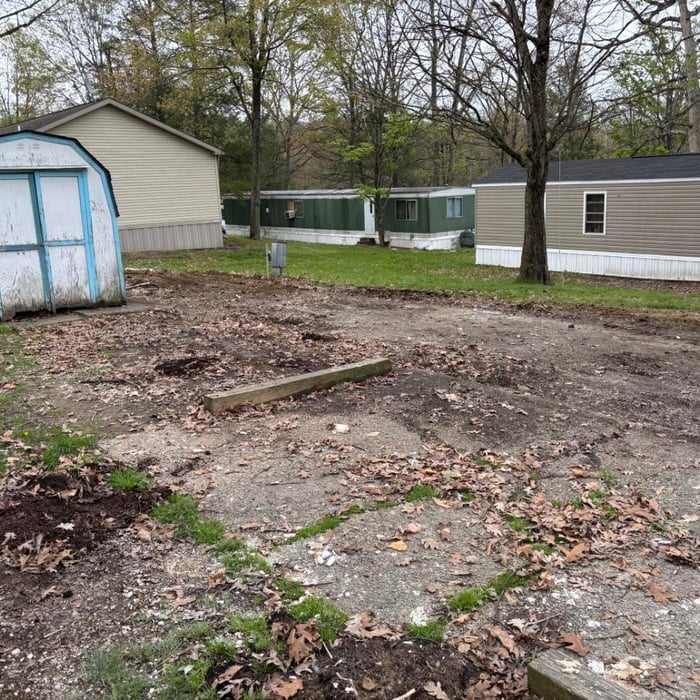
Demolition of mobile home

+1

6 neighbors recently requested a quote
Recommended by40%of homeowners

Pro Edge Excavating & Property Services LLC
5.0(
1
)
Tree Removal - For BusinessTree Trimming - For Business

Serving Linden, PA and surrounding areas

Approved

In business since 2022

Free estimates

Offers commercial services

Here Pro Edge Excavating and Property Services LLC, we pride our company on reliability, great communication, integrity, and quality work. We strongly believe in giving our absolute best in all of our projects no matter how big or small. We are experts in our trade and will always keep you educated on your particular task or project. We look forward to earning your business! \n \n24hr emergency services available.

Response time3 days
Response rate92%
Recommended by100%of homeowners
...
Showing 1-10 of 55
Tree Service FAQs, answered by experts

The depth of tree roots depends on the species. Trees like oaks and maples can have root systems that grow down 20 feet or more. However, trees that grow in shallow soils will have roots that go only a few feet down. Research how your tree species grows in your climate area to estimate root depth.

In most cases, you should not use a pruning seal on trees after trimming. Applying a sealant can interfere with the tree's natural healing process, and it does not guarantee protection from pathogens. Instead of sealing the cut, the best practice is to support the tree's natural recovery by providing it with plenty of water and a dormant-style fertilizer. However, there are exceptions. Pruning seals may be recommended for very vulnerable species, like elm trees, in areas where dangerous diseases such as Dutch elm disease are prevalent. In these specific situations, the protection offered by a sealant can outweigh its downsides. For advice tailored to your situation, especially after cutting large branches, it is best to consult a local tree trimming professional.

Cutting down a tree next to power lines is never a DIY job, and it’s a good idea to contact your utility company first. In most cases, the utility company will need to take care of any tree problems within 10 to 15 feet of power lines. If you want to remove the tree for aesthetic reasons, hire a pro to do the job. Trying to cut trees near power lines yourself can create many safety hazards, and you could be liable if you inadvertently cause damage to electrical equipment.

The best time to transplant a tree is when it is dormant. For many trees, this means either in the fall after the leaves have dropped (around October or November) or in early spring before new growth begins (around March). The ideal timing can depend on the type of tree. Deciduous trees do well when moved in early spring or fall, while evergreens are best transplanted in early spring or late summer. For example, pine trees are best moved in early fall, but maples prefer late fall. Avoid transplanting in winter, as the frozen or hard, cold soil poses a significant risk to the roots and prevents the tree from acclimating properly.

Transplanting a palm tree is a similar process except for a couple of important differences. First, their root ball doesn’t need to be as large as a “true” tree, which makes them a bit easier to dig up and move around. Second, they struggle more with taking root and staying upright in a new location, so it’s important to give them extra support when staking. 

The Linden, PA homeowners’ guide to tree services

From average costs to expert advice, get all the answers you need to get your job done.