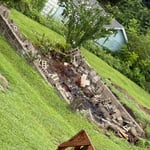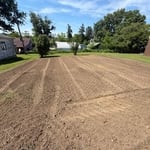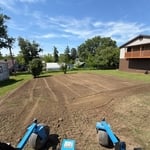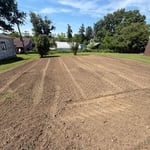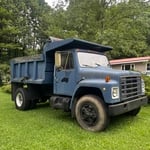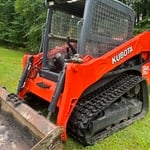



Top-rated excavation pros.

Best excavation pros near Ligonier, PA

Enter your zip and get matched with up to 5 pros

Need a pro for your excavation project in Ligonier, PA?

Select your specific project to find the pro for you.

Top-Rated Excavation pros in Ligonier - Updated Nov 2026

Avatar for Warrior Concrete, Walls, and Landscaping
Warrior Concrete, Walls, and Landscaping
4.6(
5
)
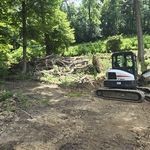
Landscape - Minor Grading or Resloping

Serving Ligonier, PA and surrounding areas

Approved

In business since 2012

Free estimates

Customers say: Quality work

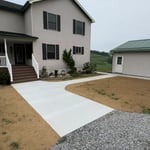
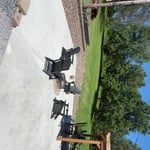
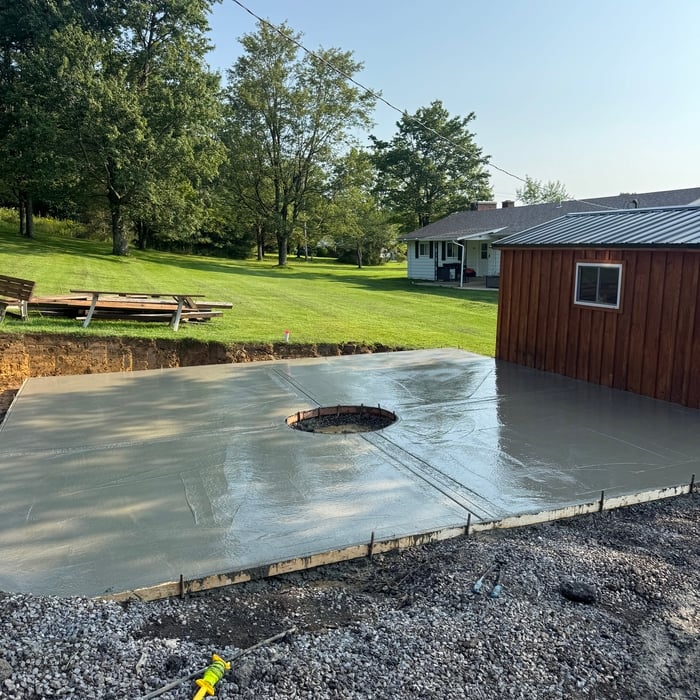
"Marty and his team were awesome to work with and very professional. On time and the value they delivered was best in class! Neighbors and strangers that pass by have stopped and asked who did our driveway all the time which is a testimonial of their work quality in its self! The swirl design they put created makes our driveway stand out vs. the boring straight brush look you see from most contractors! I highly recommend Marty and Warrior Concrete!!!!!!!"
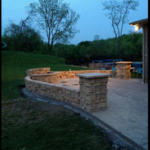
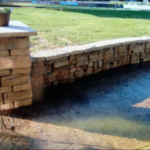
Outdoor Patio
Outdoor Patio
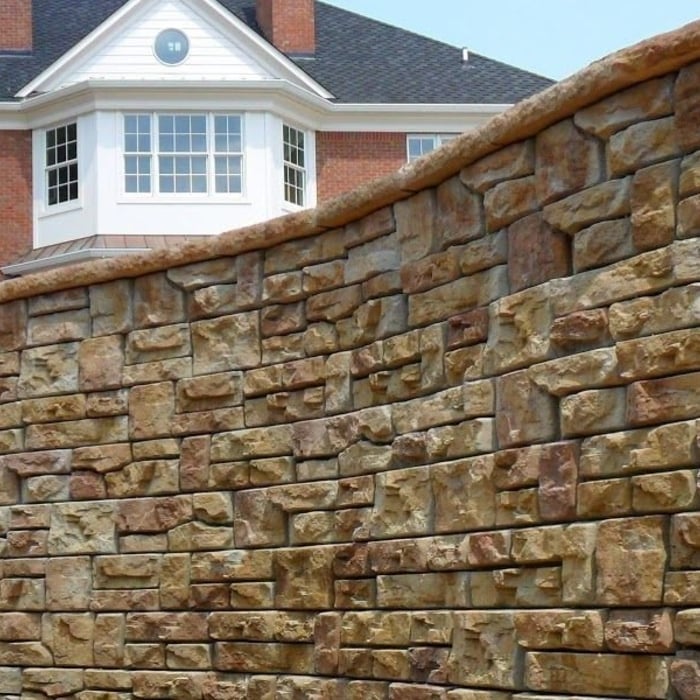
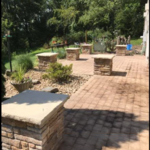
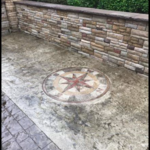
Belvedere Block Seating Wall & Stamped Patio
Stamped Concrete
Response time20 mins
Recommended by100%of homeowners
...
Showing 1-10 of 108
Excavating FAQs, answered by experts

In the United States, a depth of 36 inches (three feet) for underground water lines is the accepted industry standard. This depth varies from location to location based on local conditions. In areas with colder winters, they may be buried deeper to prevent frozen well water pipes : This is usually at least six inches below the frost level. The International Plumbing Code calls for a minimum of 12 inches below grade.

If you have a broken sprinkler pipe underground, there will be some signs you can easily spot to locate it and take action. These include leaks, water spouts, flooding, consistently damp areas on your lawn, low water pressure, and grass around the sprinkler head that’s taller and darker than anywhere else in the yard. 

If there are no obvious signs of a broken pipe, you can use tools such as water leak mics, leak noise loggers, audio devices that record leaks, and acoustic testing links. 

Broken pipes can lead to uneven watering, plant damage, and higher utility bills. The longer you wait to fix them the more the repair cost may be.

If you don’t have a crawl space but have a partial basement you want to make deeper, you can expect to spend a little less—between $40,000 and $90,000 on average. However, if you’re not adding new finished square footage, you won’t see much in the way of ROI.

The best way to protect tree roots is to avoid the roots entirely by excavating outside the root radius of the tree. For nearby projects, it’s a good idea to construct a temporary retaining wall. But that’s not always possible, depending on the project and the root system. In these cases, consider using alternative equipment like an auger to tunnel under the ground.

Remember, tree roots can damage nearby cement foundations as they grow. If a tree is close enough to interfere with large excavations, it may be better to remove the tree than risk future problems.

Call 811 to locate and mark the gas lines at least three days before digging. In many areas, you can dig within 18 inches of the lines, though in some locations, the distance may be further. Check local regulations, as you may need a utility company representative onsite when digging. Document your calls to 811 and precautions taken to avoid gas lines. A homeowner can be held liable for hitting a gas line in some cases, but contacting the proper authorities and following all guidelines can offer protection.

The Ligonier, PA homeowners’ guide to excavation services

From average costs to expert advice, get all the answers you need to get your job done.