




Top-rated excavation pros.

Get matched with top excavation pros in Jennerstown, PA

Enter your zip and get matched with up to 5 pros

Need a pro for your excavation project in Jennerstown, PA?

Select your specific project to find the pro for you.

Find Excavation pros in Jennerstown

Avatar for Sloan Construction Company
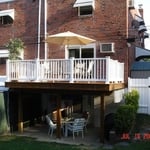
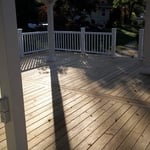
Sloan Construction Company
New to Angi
Building Site - Preparation and Clearing - For Business

Serving Jennerstown, PA and surrounding areas

Approved

In business since 1988

Free estimates

Offers commercial services

We're a locally owned and operated company with over 22 years of industry experience. We value honesty and integrity in all aspects of our business. We offer a variety of Home Improvement services that are customizable to each individual project. Thank you for choosing Sloan Construction Inc


Response time10 mins
...
Showing 1-10 of 63
Excavating questions, answered by experts

A trench that is less than 5 feet deep often doesn't require a protective system. Most residential trenches will not go this deep (the typical residential drainage trench is just 18 inches deep). In the event that an excavator needs to dig more than 5 feet beneath the surface, a protective system is required unless the excavation is in entirely stable rock.

Underground downspouts refer to the sections of downspout extensions that lead away from your home and gutter system. While they cost more than traditional extensions, they can provide several benefits, such as less frequent damage and no need to move them for lawn care tasks. Whether they're worth it or not depends on your budget at installation time and how much convenience they'll add to your situation.

Yes, trenchers can go through gravel. Gravel is made up of smaller, softer rocks that certain trenchers are able to cut through. Just be sure to use a rock wheel trencher or chain trencher, both of which are made to cut through rocky landscapes and gravel pathways without dulling the teeth or chain.

Yes. A metal detector is one of the quickest and easiest ways to find your septic tank. However, metal detectors can be too expensive (costing upward of $300 in some cases), and not everyone has a metal detector just lying around. If that’s the case for you, you can also take a long metal rod and poke it into the ground at regular intervals until you hit something—likely your septic tank lid.

Most residential basements are 8 to 10 feet deep. You can dig deeper depending on building codes, but it does become more difficult. You’ll likely need to install stronger foundation walls and additional supports to handle the increased load. Depending on the water table, you may also need a water management system. Clay soil can support a deeper foundation than sandy soil. A structural engineer will be able to tell you the maximum, feasible depth.

The Jennerstown, PA homeowners’ guide to excavation services

From average costs to expert advice, get all the answers you need to get your job done.