




Top-rated excavation pros.

Get matched with top excavation pros in Latrobe, PA

Enter your zip and get matched with up to 5 pros

Need a pro for your excavation project in Latrobe, PA?

Select your specific project to find the pro for you.

Find Excavation pros in Latrobe

Avatar for VP Excavating Services LLC
VP Excavating Services LLC
4.4(
7
)
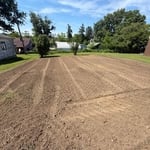
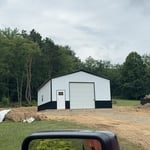
Building Site - Preparation and Clearing

Serving Latrobe, PA and surrounding areas

Approved

In business since 2024

Free estimates

Emergency services offered

"VP Excavating did an outstanding job on our property! From start to finish, their preparation and clearing work was done with precision, efficiency, and professionalism. They went above and beyond to make sure everything was done right, and it truly shows. Highly recommend them for anyone needing quality excavation work!"
Site prep
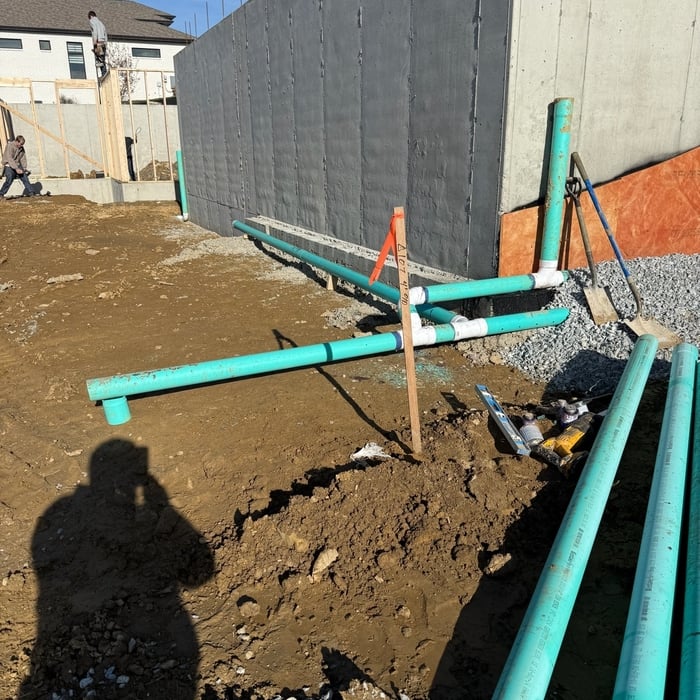
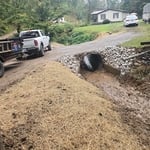
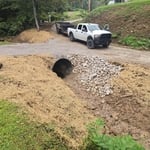
Culvert pipe install
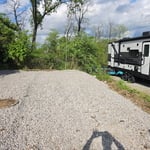
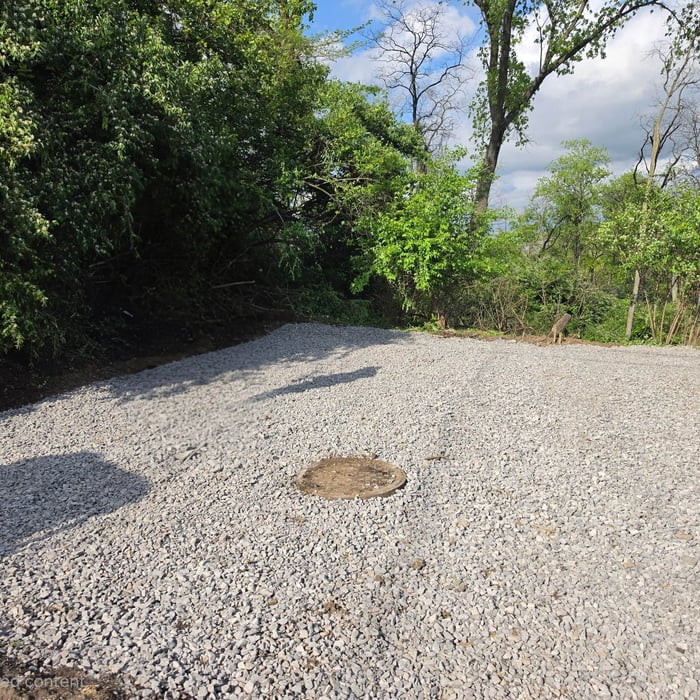
 New Parking pad
 New Parking pad

+1

16 neighbors recently requested a quote
...
Showing 1-10 of 124
Excavating questions, answered by experts

If you don’t wish to dig it out and convert it into a finished basement, you can still encapsulate your crawl space to protect it from damage for an average cost of $5,500. Finishing a crawl space beyond this isn’t really worthwhile, as the low ceilings mean you won’t be able to use the area as living space.

The best method for digging a trench depends on the scope of the project. For a short, shallow trench (less than 2 feet deep) in light, soft soil, digging by hand may be sufficient. However, digging by hand is labor-intensive, so consider the effort required. A machine trencher is the better option for longer trenches (over 100 feet), deeper ones, or when dealing with difficult soil conditions, such as rocky or hard ground, or obstructions like tree roots. A machine can save significant time and energy in these situations.

Tree experts don’t advise against digging through tree roots, but instead encourage caution and consultation with a local arborist to make sure you don’t damage the tree’s structure or interrupt its water or nutrient intake. An arborist can recommend specific practices when digging and help prune the roots or dig a trench for utilities with a tool that can remove soil without touching the tree’s roots.

Yes. A metal detector is one of the quickest and easiest ways to find your septic tank. However, metal detectors can be too expensive (costing upward of $300 in some cases), and not everyone has a metal detector just lying around. If that’s the case for you, you can also take a long metal rod and poke it into the ground at regular intervals until you hit something—likely your septic tank lid.

Septic drain lines (or leach lines) are typically buried between 18 and 36 inches underground, and should be at least 6 inches below the surface. These pipes are perforated and surrounded by filtering materials like sand or gravel. Burying the lines at this depth helps minimize odors and allows bacteria and other biological processes in the soil to effectively treat the wastewater. Burying lines too close to the surface can cause issues unless the soil is very compact and stable.

The Latrobe, PA homeowners’ guide to excavation services

From average costs to expert advice, get all the answers you need to get your job done.