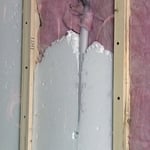
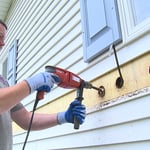
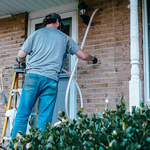
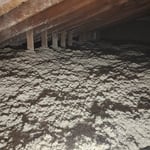
"We are extremely satisfied with the whole process of our house being insulated. First we had the walls done, and then a couple weeks later we had our attic insulated. The crew were so nice, friendly, and knowledgeable. We are very satisfied with everything. Thank you, everyone."
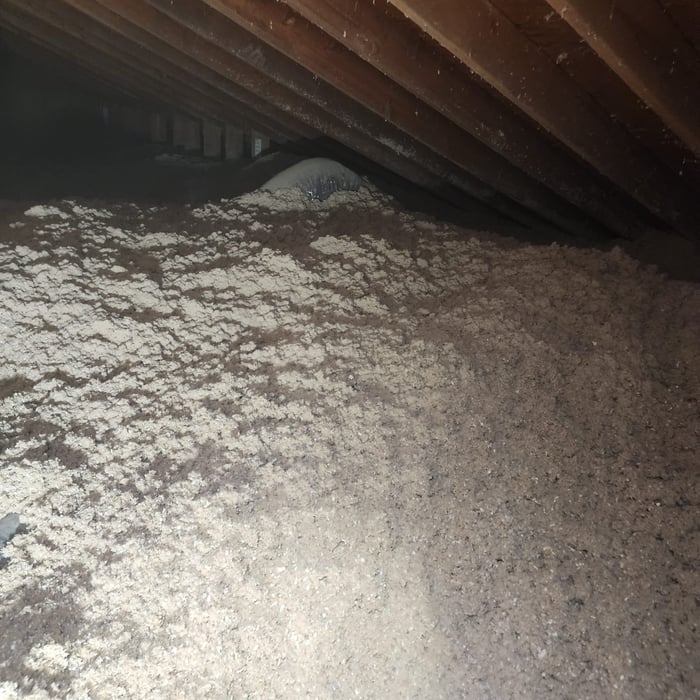
"Had them blow insulation in my attic. Great price, completed it in a timely fashion, and did a great job cleaning up. All employees I dealt with were very friendly. Highly recommend."
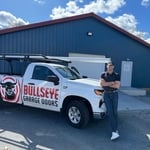
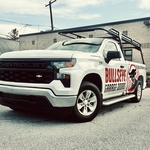
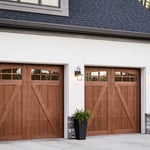
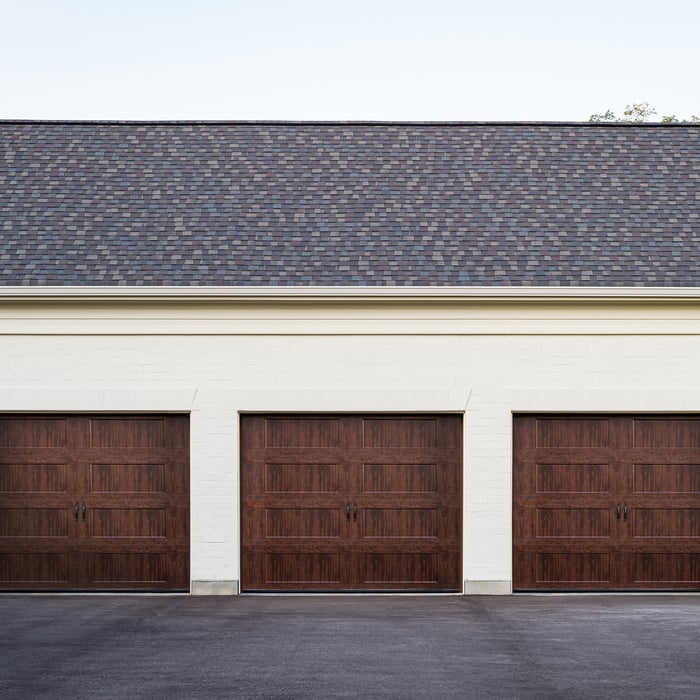
We are your locally owned, expert residential Garage Door installations and repair service! \n\nAt Bullseye Garage, we pride ourselves on being Pennsylvania’s premier choice for all garage door needs. With a legacy of excellence and a commitment to superior craftsmanship, we specialize in the installation, repair, and maintenance of residential garage doors.\n\nOur team of skilled technicians brings a wealth of experience and a passion for delivering exceptional service, ensuring your garage doors operate flawlessly and enhance the security and aesthetic of your property.\n\nWe believe in building lasting relationships with our clients, offering personalized solutions and honest, transparent communication every step of the way. Whether you need a quick repair or a custom installation, Bullseye Garage Doors is your trusted, locally owned and operated partner for reliable and high-quality garage door services.
"I had Bullseye insulation reblow my attic space . Completed project in timely manner very respectful of my home . Cleaned up everything ,very pleased would highly recommend!!"
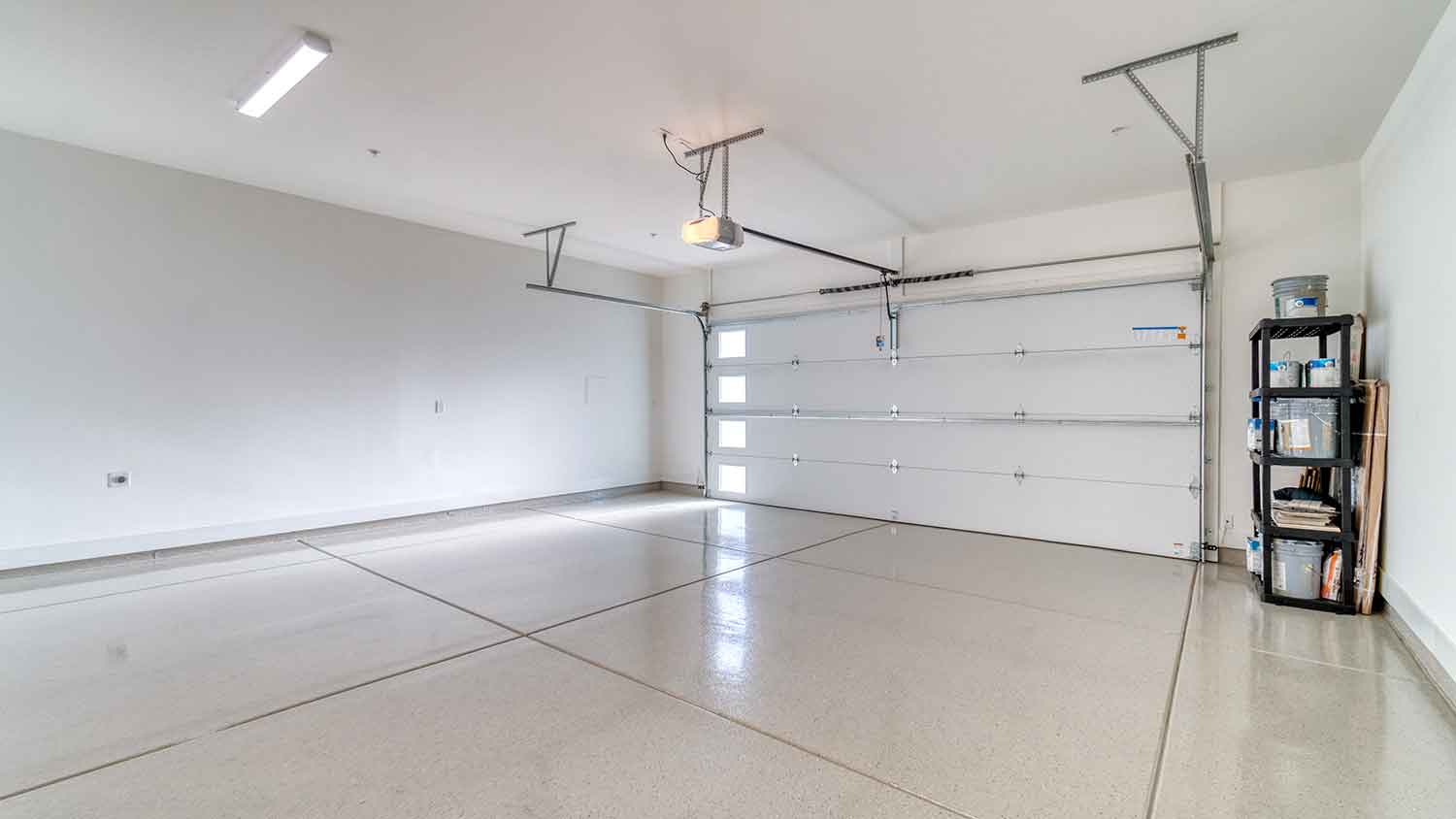
"Excellent. Prompt,efficient, professional. My garage is warmer and quiet. I would not hesitate to recommend Green Valley for any house or building you need insulated."
Operating 24/7 for emergency service to repair your heating, cooling and water heating equipment, Specialize in Installation, Service Repairs & Maintenance. Also perform Energy Audits & Duct Cleaning. We Service All Makes & Models of your HVAC Equipment that are Natural Gas, Electric, Propane or Oil. Call us today at 1-877-844-4822!
Operate 24/7 for emergency service to repair your heating, cooling and water heating equipment, Specialize in Installation, Service Repairs & Maintenance. Also perform Energy Audits & Duct Cleaning. We Service All Makes & Models of your HVAC Equipment that are Natural Gas, Electric, Propane or Oil. Call us today at 1-877-844-4822!
"Just had our attic re insulated, excellent work . We did blown in and reflective insulation also . Our upstairs gets very cold in the winter even with the heat on . We are hoping this will reduce the temperature, very pleased with pricing !!"
You should wait at least 24 hours for drywall mud to dry before sanding or applying another coat. However, the exact drying time depends on several factors, including the thickness of the application, room temperature, humidity, and the type of compound used. Thicker layers, or projects in high humidity, may require 48 hours or more. Lightweight compounds tend to dry faster than heavier, all-purpose ones. You'll know the mud is ready when it feels completely dry and firm to the touch and has changed to a consistent light color. Sanding too early can cause smudging or gouges, so patience is essential for a smooth finish.
Textured walls are a great way to hide imperfections left over by drywall installation, but many homeowners feel like it’s an outdated look, despite there being so many types of drywall texture. And while the textured walls of today are a far cry from the popcorn ceilings and faux stucco of our grandmother’s homes, if you want a more modern look or you want to install wallpaper, it’s time to smooth out your walls.
The two most common drywall thicknesses for ceilings are 1/2-inch and 5/8-inch. For most standard residential applications, 1/2-inch drywall is sufficient and widely used. It provides adequate support and is lighter and easier to handle during installation compared to thicker sheets. However, 5/8-inch drywall is often used for specific cases where additional benefits are needed. It is heavier but provides superior sound dampening and fire resistance. You should consider using 5/8-inch drywall for ceilings in commercial buildings, between a garage and a living space, or above a finished basement to meet building codes or for enhanced soundproofing.
The amount of drywall you need for a 1,000-square-foot basement depends on the ceiling height, angles, number of doors and windows, and more. To find the wall square footage, multiply the width and height of each wall, minus any gaps from windows or doors, and add the totals together. You’ll also need enough drywood nails or screws to install the drywall correctly.
A common cause of separation between a wall and the ceiling is truss lift—this can happen to the ceiling of rooms directly under the attic when the seasons change and wood building materials dry out, shrink, and shift. Roof trusses often dry out at different speeds, and if the bottom pieces dry out faster than the top pieces, they can shrink and pull the attached drywall away from ceilings and walls, causing cracks. Fortunately, truss lift is only a cosmetic problem, not a structural problem, and you can fix it by separating the ceiling drywall from the roof trusses, and patching the cracks.
The Gratz, PA homeowners’ guide to drywall insulation services
From average costs to expert advice, get all the answers you need to get your job done.
New insulation can make your home more comfortable and boost energy efficiency. Use this insulation cost guide to get an accurate estimate for the installation.
How much does it cost to insulate a garage? Discover insulation options, prices, and expected and unexpected circumstances that affect the project cost.
Learning how to insulate plaster walls can help improve your home's energy efficiency. However, there are crucial cautions to consider before attempting.
Thick gaps and extra joint compound can alter the look of drywall. So, should drywall be butt up against a wall? Review this guide for seamless installation.