



Top-rated radon detection and reduction specialists.

Best radon detection and reduction specialists near Edwardsville, PA

Enter your zip and get matched with up to 5 pros

Need a pro for your radon detection and reduction project in Edwardsville, PA?

Select your specific project to find the pro for you.

Top-Rated Radon detection and reduction specialists in Edwardsville - Updated Nov 2026

AAA Radon Experts
New to Angi
Radon Gas - Testing

Serving Edwardsville, PA and surrounding areas

In business since 1993

Free estimates

Credit card accepted

We're a locally owned and operated company that values honesty and integrity and treats your home as if it were our own. We specialize in radon gas testing and abatement. We pride ourselves on the quality of our work as well as our commitment to outstanding results. We look forward to building lasting relationships and guarantee your satisfaction!

Patriot Radon Services
4.0(
1
)
Radon Gas - Abatement

Serving Edwardsville, PA and surrounding areas

In business since 2022

Free estimates

Credit card accepted

We pride our company on reliability, great communication, integrity, and quality work. We are experts in our trade and will do our best to keep you as educated as we can on your particular task or project. We look forward to earning your business! Book with us online or feel free to give us a call today!

Response time8 hrs
Response rate99%
Recommended by100%of homeowners
Radon Detection and Reduction FAQs, answered by experts

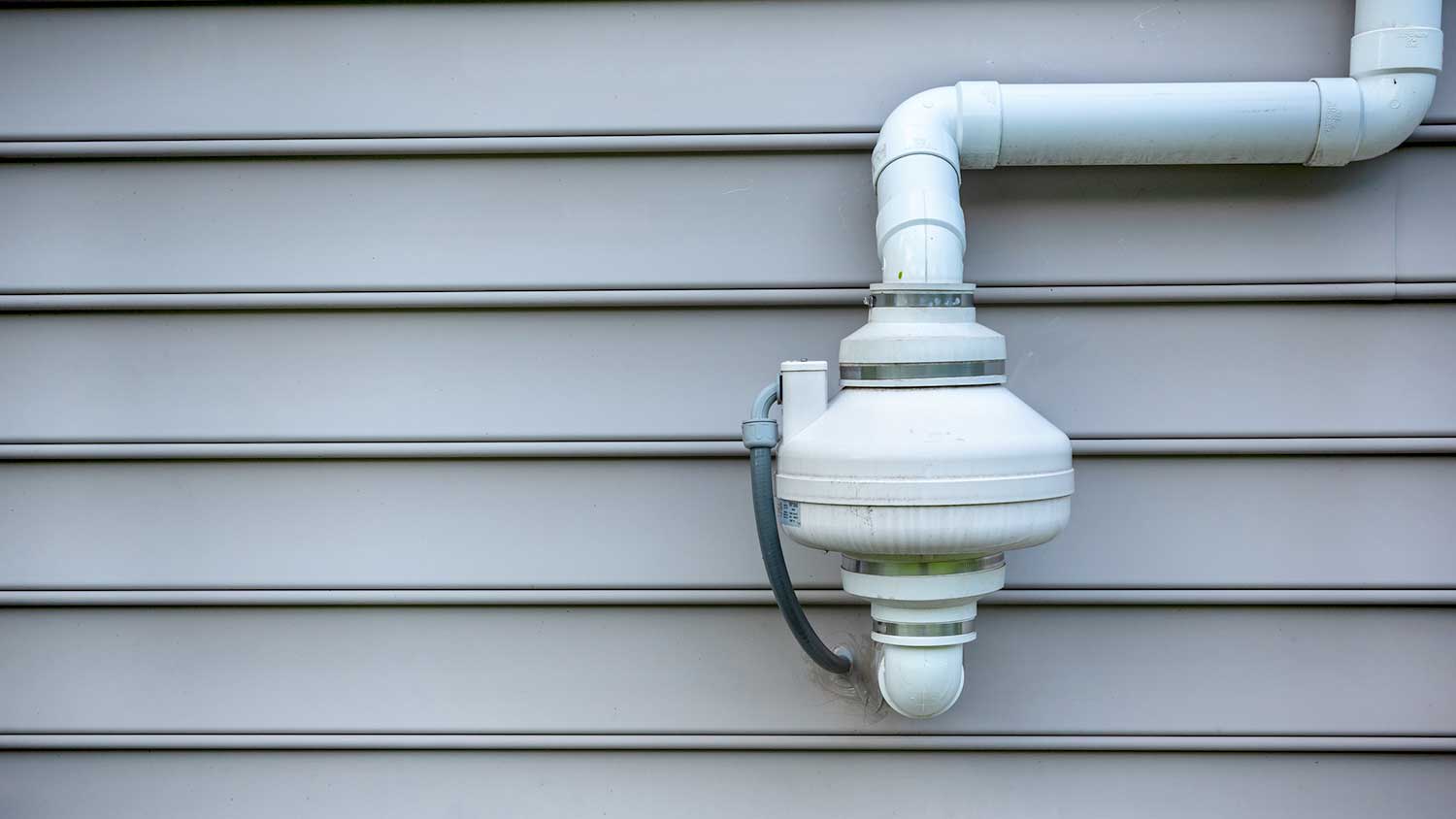
The cost to replace a radon fan ranges from $300 to $600 for the fan itself, with installation adding an additional $200 to $500. Overall, the total cost for replacement can range from $500 to $1,100, depending on factors such as the fan model, home size, and local labor rates. If the fan is part of a larger radon mitigation system, the price may be higher.

Radon enters your home when warm air begins to rise and exits through the roof, creating a vacuum that pulls cooler air from under the foundation. Part of that air is radon, which is an invisible, odorless gas that develops naturally when radioactive particles are deep within the ground. Those particles usually come from decaying matter in soil and rocks.

Keeping radon from getting into your home is much better than having to get rid of it once it's already indoors. While there may not be a way to fully prevent radon from getting into your home, there are things you can do to reduce the gas's ability to enter. 

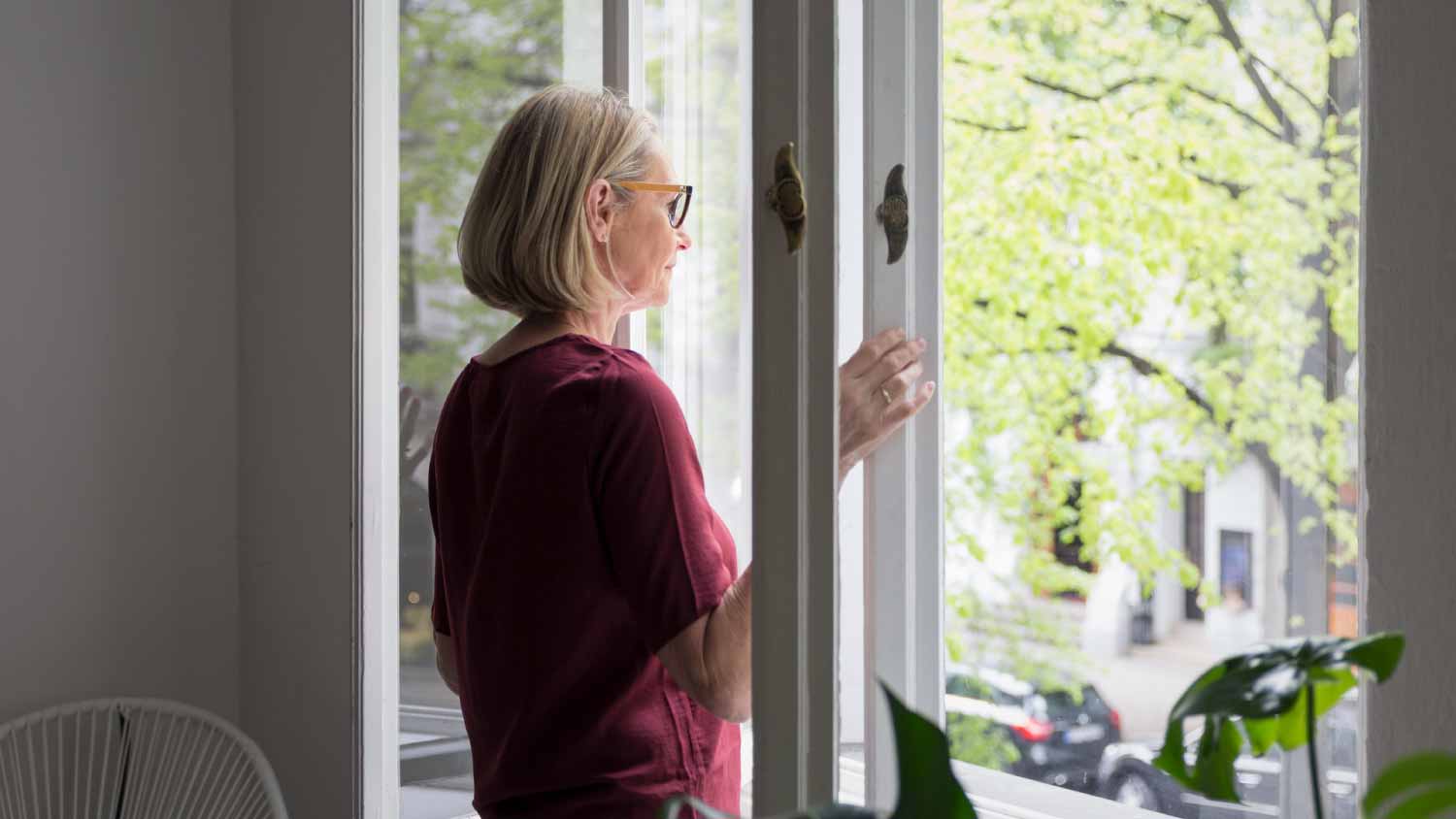
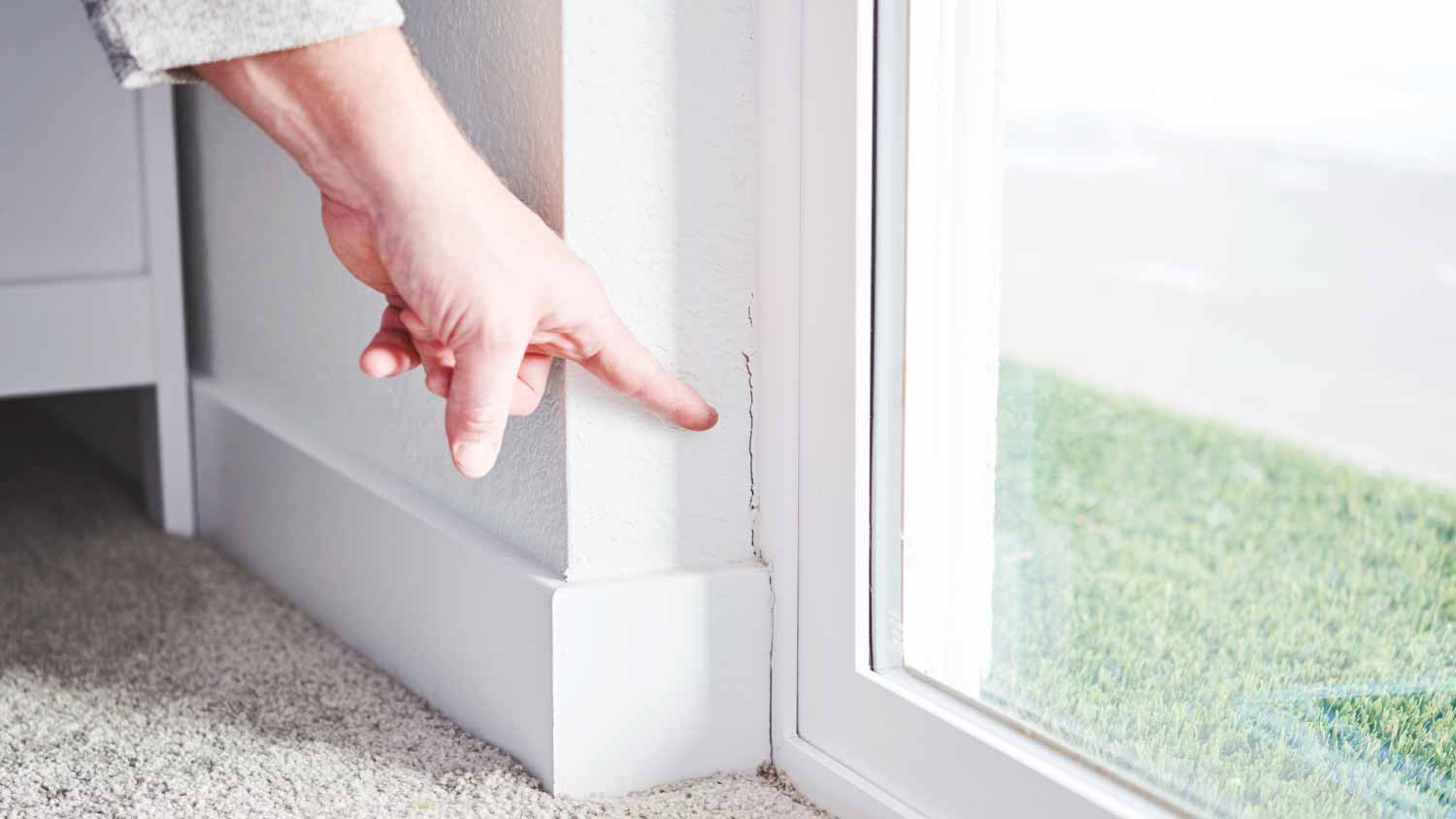
Sealing foundation cracks and openings can help keep the gas from seeping inside. Improving air flow, such as by opening windows, can also be helpful. If you're building your home from scratch, talk to your contractor about using radon-resistant construction to keep the gas out.

Ideally, no one will live in a house with elevated radon levels, as prolonged exposure increases the risk of serious health issues like lung cancer. However, homes with radon can be made safe through mitigation systems, such as active soil depressurization. Testing for radon regularly and addressing high levels helps ensure a safe living environment.

The average radon mitigation system uses about 876 kWh of electricity per year, although the exact amount of electricity used will vary depending on the size of the radon fan. Once the system is installed, the annual increase to your energy bill could range from $30 to $300 per year, again depending on the size of the fan.

The Edwardsville, PA homeowners’ guide to radon detection and reduction services

From average costs to expert advice, get all the answers you need to get your job done.