



Top-rated drywall pros.

Get matched with top drywall pros in Carmichaels, PA

Enter your zip and get matched with up to 5 pros

Need a pro for your drywall service project in Carmichaels, PA?

Select your specific project to find the pro for you.

Find Drywall pros in Carmichaels

Avatar for Caspian BuildWorks LLC
Caspian BuildWorks LLC
5.0(
10
)
Drywall - RepairDrywall - Install

Serving Carmichaels, PA and surrounding areas

Approved

In business since 2016

Free estimates

Warranties offered

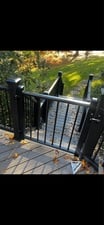
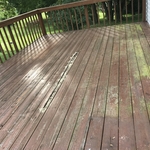
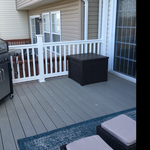
Caspian BuildWorks specializes in high-quality interior and exterior painting, expert drywall installation and finishing, and reliable deck maintenance services. Our team is dedicated to precision, craftsmanship, and customer satisfaction. Enhancing homes and properties with lasting beauty and functionality. Whether refreshing your space with a flawless paint job, repairing and finishing drywall, or restoring your deck, we bring skill and care with every detail.
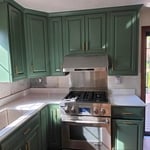
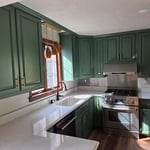
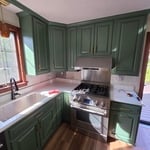
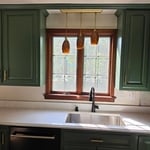
Cabinet refinishing
Cabinet refinishing
Cabinet refinishing
Cabinet refinishing
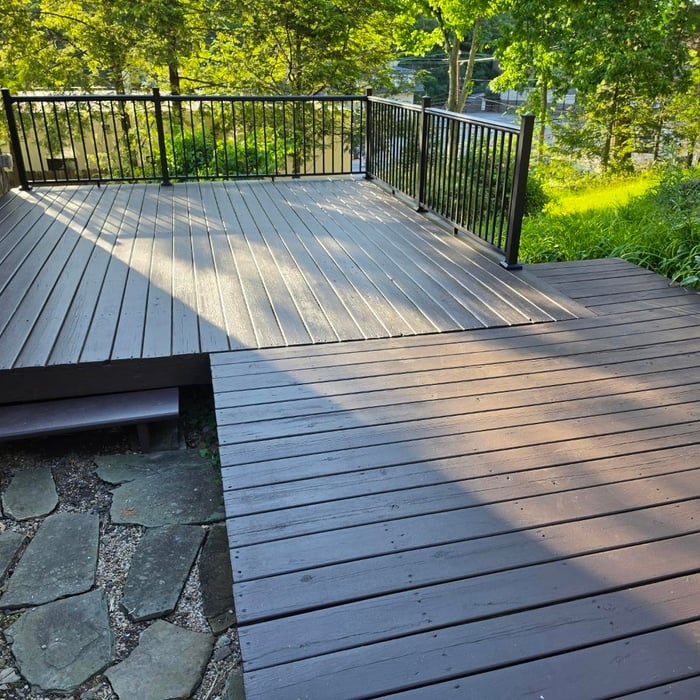
Deck repair and painting

+19

4 neighbors recently requested a quote
Recommended by100%of homeowners
Avatar for Cimino Contracting
Cimino Contracting
5.0(
9
)
Drywall - Repair

Serving Carmichaels, PA and surrounding areas

Approved

In business since 2005

Free estimates

Emergency services offered

"Iâ ve hired many contractors over the years. Iâ ve never hired one a second time. Bob Cimino is different. Heâ s the first one I ever felt was honest with me. He actually took the time to figure out what the problem was. Some bad caulking around a window was causing a leak, not the roof itself. He told me what he needed to do to fix it. He actually came when he said he would and did the work. And he was reasonably priced! This is the guy you want to hire. But get in line because I have more work for him."
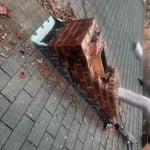
Chimney teardown
Chimney teardown
Chimney teardown
Chimney teardown
Chimney teardown

+96

Response time1 day
Recommended by85%of homeowners
Avatar for Cornerstone Construction
Cornerstone Construction
5.0(
1
)
Drywall - InstallDrywall - Install - For Business

Serving Carmichaels, PA and surrounding areas

Approved

In business since 2017

Free estimates

Small jobs welcome

We are a locally owned and operated company. We value honesty and integrity in all aspects of our business. We offer a variety of home improvement services that are customized to each individual project. We pride ourselves on the quality of our work, as well as our commitment to outstanding results. We look forward to building lasting relationships with our clients and guarantee your satisfaction!

Response time2 days
Response rate96%
Recommended by100%of homeowners
...
Showing 1-10 of 79
Drywall questions, answered by experts

Whether you need a drywall anchor depends on the specifics of your project, particularly what you're hanging and where. You do not need a drywall anchor if you can screw or nail the object directly into a wooden stud, as the wood provides sufficient support and stability. However, if there are no studs in the location where you plan to hang the item, you should use drywall anchors to ensure it is securely supported. For very lightweight objects, like small pictures, adhesive picture hanging strips can be a suitable alternative to anchors.

Yes, you can install drywall over plaster, but there are important factors to consider. While it can create a smooth, flat surface, it is often not the best approach. Installing drywall over plaster will increase the wall's thickness, which can cause issues with existing window and door frames that may no longer fit. You might also need to adjust power outlets to keep them accessible. A better, though more expensive, option is to remove the old plaster and lath entirely before installing new drywall. Drywalling directly over plaster seals in the old material, and if any problems arise later, you will need to remove both layers down to the structural beams for repairs. Given the potential complications, this job is best handled by professionals.
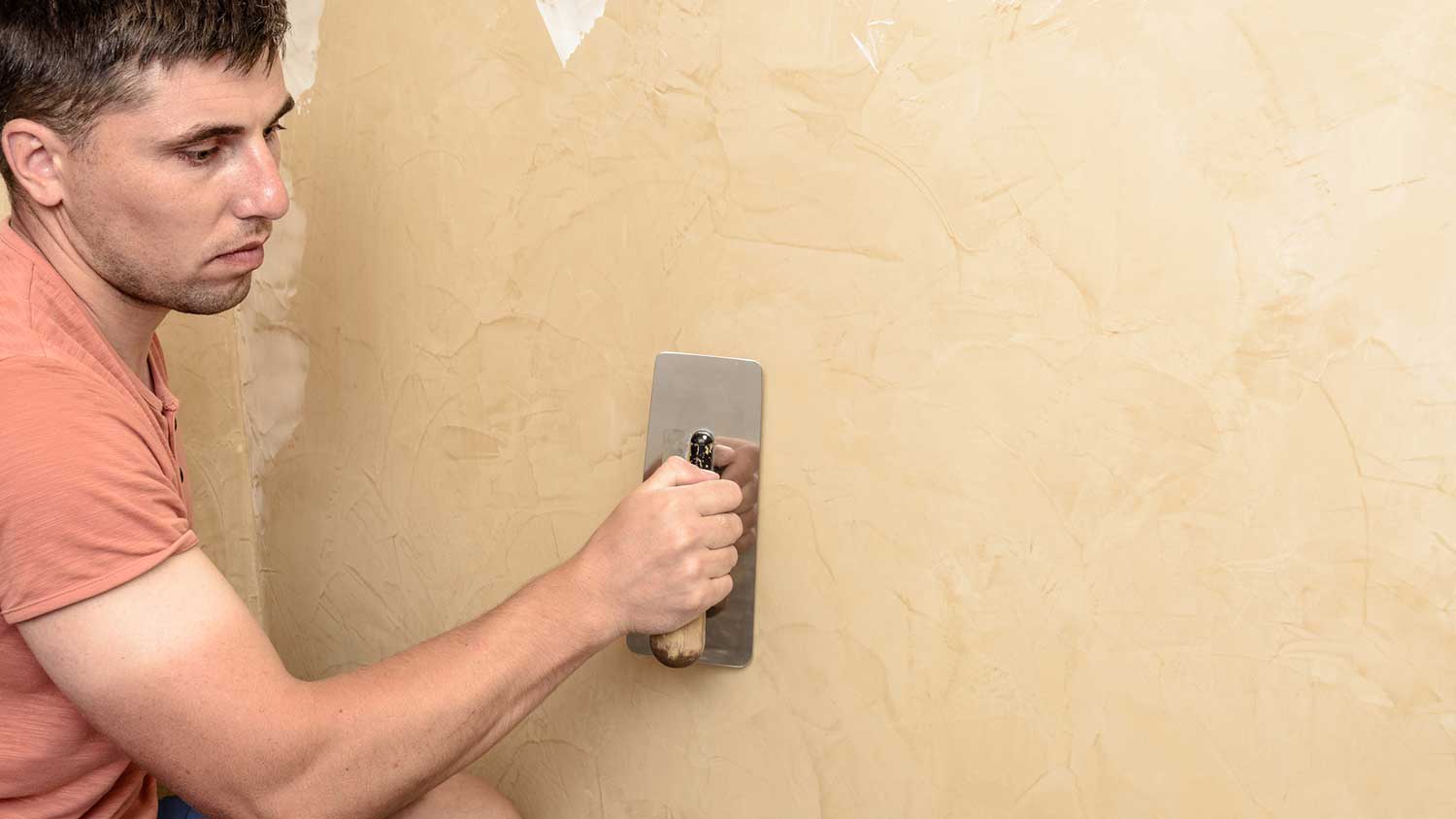
Knowing what causes drywall damage can help stop it before it starts. Here are some of the most common causes of drywall damage: 

  • Water damage from roof leaks or leaky pipes. 

  • Small holes caused by doorknobs, minor accidents, and rodent infestations. 

  • Wall dents stemming from moving furniture and minor accidents. 

  • Wall cracks that form from a settling foundation or seismic activity. 

  • Nail pops from nails and screws in the walls. 

  • Large holes that are caused by accidents with heavy objects, children and pets, or sporting equipment.

There are six levels of drywall finish, from 0 to 5, that refer to the amount of work performed during the finishing process.

Level 0: Drywall is hung with no finishing work.

Level 1: Tape is placed over the seams between drywall sheets.

Level 2: A thin layer of mud is applied over the tape and screw holes. This level is common for utility rooms or walls that will be covered.

Level 3: A full coat of mud covers the screw holes and tape, but the surface is not sanded. This is often used in garages.
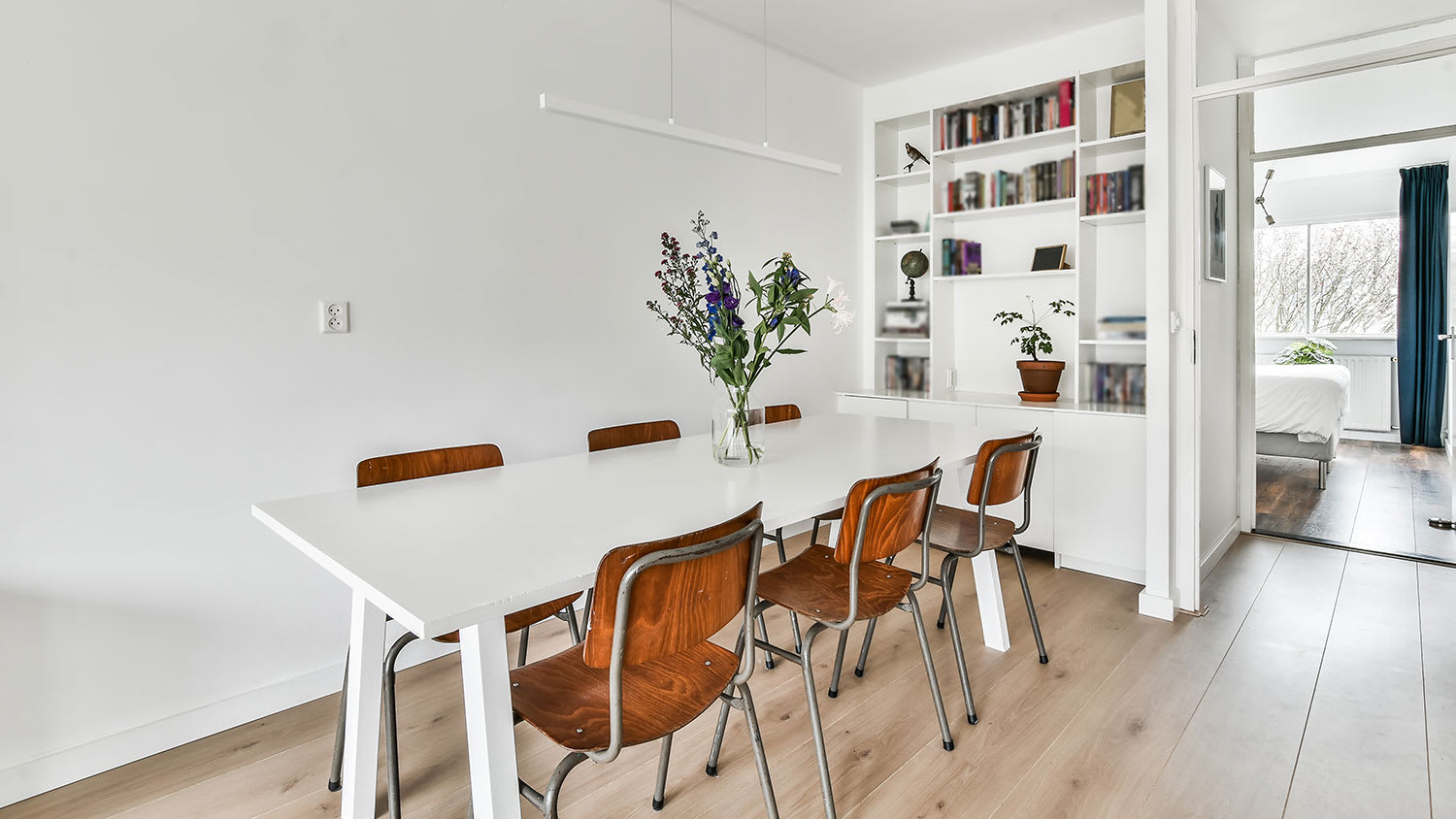
Level 4: This is the most common finish for visible interior walls. It involves applying two coats of mud over seams and screw holes, with sanding between each coat, creating a smooth surface ready for flat paint.

Level 5: This is a high-end finish for luxury homes. It includes full taping, mudding, and sanding, plus a final skim coat over the entire surface before painting.

Although they have similar applications, spackle and joint compound are not the same. Their primary differences lie in their composition, consistency, and ideal use cases.

Spackle is composed of gypsum and binding agents, making it thicker than joint compound. It dries quickly and is easy to sand, which makes it ideal for small wall repair projects like filling nail holes or patching minor damage.

Joint compound, also known as drywall mud, consists of limestone and gypsum. It is primarily used for large-scale projects, such as taping and finishing the seams on newly installed drywall. It tends to shrink more than spackle and can be more difficult to spread.

While both products can be used to fill small depressions and cracks, spackle cannot replace joint compound for taping and mudding new drywall. Conversely, you can often use joint compound for small patching jobs typically done with spackle.

The Carmichaels, PA homeowners’ guide to drywall services

From average costs to expert advice, get all the answers you need to get your job done.